
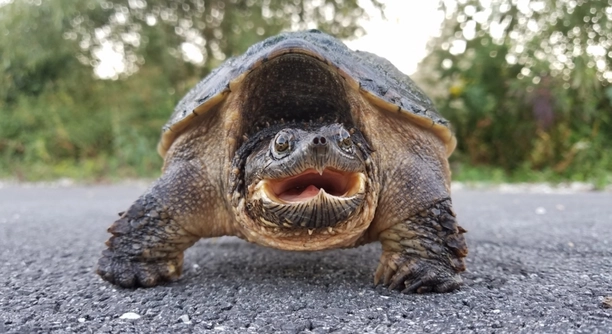
Setting up the perfect tank for your common snapping turtle is essential for its health and well-being. The environment you provide can greatly affect its overall behavior and longevity, so ensuring the setup is ideal is crucial.
To ensure your common snapping turtle’s tank setup is ideal, focus on factors like water temperature, tank size, filtration, and habitat enrichment. Providing a proper basking area, secure hiding spots, and clean water is vital for its overall health.
By optimizing these conditions, your turtle will thrive in a healthy, comfortable environment. Proper tank setup not only supports physical health but also enhances its natural behavior.
Tank Size and Space for Your Snapping Turtle
When setting up a tank for your common snapping turtle, the size of the tank plays a significant role in ensuring its comfort and health. Snapping turtles can grow large, and providing enough space for them to move around is essential. A 75-gallon tank is usually a minimum for a small turtle, but as they grow, a 100-gallon or larger tank may be needed. A larger tank allows for more water, which helps keep the environment cleaner and provides more room for swimming and basking.
Turtles need room to explore and swim freely to maintain their physical health. A cramped tank can lead to stress and poor water quality, which can impact your turtle’s well-being.
A properly sized tank also allows for proper filtration and water movement, which are essential for maintaining the water quality and ensuring your turtle stays healthy. You’ll also want to ensure the water level is deep enough for swimming but not too deep for your turtle to feel stressed.
Water Quality and Filtration
Water quality is one of the most important factors in maintaining a healthy environment for your turtle. The water should be kept clean and free of contaminants. A strong filtration system is necessary to keep the water clear and fresh.
Without proper filtration, harmful bacteria can build up, leading to water that is unsafe for your turtle. Invest in a high-quality filter that is appropriate for the size of the tank. This will reduce the frequency of water changes and maintain a cleaner environment.
You should also monitor the water temperature regularly. Snapping turtles require warm water, typically around 75 to 85 degrees Fahrenheit. If the water temperature fluctuates too much or gets too cold, your turtle may become stressed or sick. Using a water heater can help regulate the temperature, ensuring a stable and comfortable environment.
Basking Area
A basking area is essential for your snapping turtle’s health. It provides them with a dry space to rest and regulate their body temperature. This area should be easily accessible and have a ramp or platform that leads from the water.
Your turtle needs to bask regularly to absorb UVB light, which is necessary for calcium absorption and shell health. A UVB light should be placed above the basking area to mimic natural sunlight. Ensure the light is on for 10-12 hours daily, allowing your turtle to stay healthy.
The basking area should be elevated above the water level, giving your turtle space to dry off. The surface should be smooth yet textured enough for the turtle to grip. Adding a shallow water area near the basking spot allows for easy access between swimming and basking.
Temperature Control
Temperature regulation is vital to your turtle’s overall health. A temperature gradient is needed to allow your turtle to choose a comfortable spot, whether it be warmer or cooler.
A thermometer should be placed at both the basking and swimming areas to ensure the temperature stays consistent. Basking areas should be around 85-90°F, while the water temperature should stay between 75-85°F. These ranges provide optimal conditions for your turtle’s metabolism and digestion.
Maintaining the right temperature can help prevent illnesses and ensure your turtle stays active. Too hot or cold water can stress your turtle, while too high a basking temperature can lead to dehydration. Keep both areas within the ideal range using a combination of heaters and lamps.
Tank Substrate
The substrate in your turtle’s tank is important for both cleanliness and comfort. Gravel or smooth stones are commonly used, but sand can also work well for adult turtles. Avoid using small pebbles that may be ingested.
The substrate should be easy to clean and maintain, as it can trap debris and waste. Regular cleaning ensures that harmful bacteria don’t build up. Additionally, a smooth substrate helps prevent injury to your turtle’s shell.
When choosing substrate, consider how easy it will be to maintain and clean. A clean tank promotes a healthy environment, reducing the risk of diseases and infections. Be sure to vacuum the substrate regularly to prevent waste buildup.
Hiding Spots
Turtles feel more secure when they have hiding spots in their tank. These areas help reduce stress, especially in smaller tanks or environments with frequent movement.
You can use rocks, aquatic plants, or commercially available hiding structures to create spaces where your turtle can retreat. Ensure these spots are large enough for your turtle to enter and feel comfortable.
Having hiding spots available also promotes natural behaviors. Your turtle may spend time resting or exploring in these areas, which reduces stress and supports a more active lifestyle. Just ensure the spots are safe and easily accessible.
Tank Decorations
Tank decorations not only enhance the visual appeal of your turtle’s home but also contribute to its well-being. Adding natural elements like plants and logs gives your turtle an environment that mimics its natural habitat.
These decorations offer opportunities for climbing, exploring, and hiding, all of which encourage natural behaviors. However, make sure the decorations are free of sharp edges that could harm your turtle’s shell. Additionally, any decorations should be securely placed to avoid being knocked over.
The right decorations can make your turtle feel more at home, enhancing its comfort and reducing the chance of stress. You can also place floating items in the tank to encourage swimming and help create a more dynamic habitat.
FAQ
How often should I clean my snapping turtle’s tank?
You should clean the tank at least once a week. This includes removing waste, cleaning the substrate, and replacing 25-30% of the water. For tanks with a filtration system, more frequent cleaning may not be necessary, but it’s important to monitor the water quality regularly.
What is the best way to clean the tank?
Start by removing your turtle and any decorations from the tank. Use a soft sponge or brush to clean the sides and bottom of the tank. Be sure to clean the filter and replace any damaged or old filter media. Afterward, refill the tank with clean, dechlorinated water.
Can I use tap water for my snapping turtle’s tank?
Tap water can be used, but it must be treated to remove chlorine and chloramine, which can harm your turtle. Use a water conditioner to make the water safe. Alternatively, use dechlorinated water or let tap water sit for 24 hours before adding it to the tank.
Do snapping turtles need UVB light?
Yes, snapping turtles need UVB light for proper calcium absorption and to prevent metabolic bone disease. A UVB light should be placed above the basking area to provide adequate exposure. Make sure to replace the bulb every 6-12 months, as its effectiveness decreases over time.
What should I feed my snapping turtle?
Snapping turtles are omnivores, meaning they eat both animal and plant matter. A balanced diet includes commercial turtle pellets, live or frozen fish, worms, crickets, leafy greens, and vegetables like carrots, squash, and kale. Avoid feeding too much protein, as it can lead to shell deformities.
How often should I feed my snapping turtle?
Young snapping turtles require daily feeding, while adult turtles can be fed every other day. Ensure your turtle is getting a variety of foods to maintain a balanced diet. Always monitor your turtle’s weight and adjust feeding as necessary to prevent obesity or malnutrition.
Can snapping turtles live with other pets in the same tank?
It’s not recommended to house snapping turtles with other species, especially fish or small reptiles, as they may be seen as prey. Snapping turtles can be aggressive and territorial. If you want to have multiple turtles in one tank, make sure the tank is large enough to accommodate them comfortably.
How do I know if my turtle is healthy?
Signs of a healthy snapping turtle include clear, bright eyes, a smooth and unbroken shell, and active movement. Its appetite should be good, and it should regularly bask. If your turtle is lethargic, not eating, or has swollen eyes, these could be signs of illness.
What is the ideal water temperature for a snapping turtle?
The water temperature should be kept between 75°F and 85°F for optimal health. A water heater is a good investment to maintain a consistent temperature. Be sure to check the temperature regularly using a thermometer to avoid temperature fluctuations, which can stress your turtle.
How can I tell if my turtle is stressed?
Stressed turtles may display behaviors such as hiding more often, decreased appetite, or excessive aggression. Stress can be caused by water temperature fluctuations, improper tank setup, overcrowding, or lack of hiding spots. Monitoring their behavior and environment is key to preventing stress.
Why does my snapping turtle hide so much?
Hiding is a natural behavior for snapping turtles, especially if they feel threatened or stressed. If your turtle hides excessively, it could be a sign that the tank is too small, lacks sufficient hiding spots, or the water quality is poor. Make sure the environment is properly set up to reduce stress.
Can my snapping turtle get too cold?
Yes, snapping turtles can become stressed or ill if the water temperature drops below 70°F. If the water is too cold, your turtle may become sluggish, and its immune system can weaken, making it more susceptible to infections. Make sure the water is kept within the recommended range of 75°F to 85°F.
Do snapping turtles need a water filter?
Yes, a good filtration system is essential for maintaining water quality. Snapping turtles produce a lot of waste, which can quickly contaminate the water. A filter helps keep the water clean and reduces the need for frequent water changes. Make sure the filter is appropriate for the size of your tank.
How big can a common snapping turtle get?
Common snapping turtles can grow quite large. Adult females typically range from 8 to 14 inches in length, while males can reach up to 18 inches. Their weight can range from 10 to 35 pounds, with some individuals growing even larger.
Can snapping turtles be kept in outdoor ponds?
Yes, snapping turtles can be kept in outdoor ponds, but you must ensure the pond has enough space, clean water, and proper basking areas. The pond should also be protected from predators and have a water temperature within the turtle’s preferred range.
What should I do if my snapping turtle isn’t eating?
If your turtle isn’t eating, check the water temperature and quality, as these can impact appetite. Also, ensure your turtle is not stressed and has a variety of food options available. If the problem persists, consult a veterinarian to rule out any health issues.
How long do snapping turtles live?
Common snapping turtles can live for 30-40 years, and some have been known to live even longer in captivity. Providing proper care, including a suitable tank, diet, and regular maintenance, can help ensure your turtle lives a long and healthy life.
Final Thoughts
Creating the ideal tank setup for your snapping turtle is essential for its overall health and well-being. The right environment ensures that your turtle stays active, healthy, and free from stress. It starts with providing clean water, proper lighting, and a spacious tank. These elements are key to supporting the turtle’s natural behaviors and needs. The right tank setup not only enhances their physical health but also allows them to feel secure in their environment.
Maintaining a stable temperature and water quality is crucial for a snapping turtle’s health. Regular water changes and a good filtration system can help maintain water quality. Additionally, ensuring that the basking area is comfortable and warm enough for your turtle is necessary for its overall health. Lighting also plays a vital role in providing necessary UVB exposure to support their metabolic needs. These factors combined create an environment that replicates their natural habitat, allowing the turtle to thrive.
By taking the time to set up and maintain an ideal habitat for your snapping turtle, you can help them live a long, healthy life. It’s not just about the tank’s physical elements but also about understanding their behaviors and needs. Regular monitoring, proper care, and a thoughtful approach to their living conditions will lead to a happy, healthy turtle.

Hello,
If you enjoy the content that we create, please consider saying a "Thank You!" by leaving a tip.
Every little bit helps us continue crafting quality advice that supports the health, happiness, and well-being of pets around the world, for pets of all shapes, sizes, and species.
We really appreciate the kindness and support that you show us!