
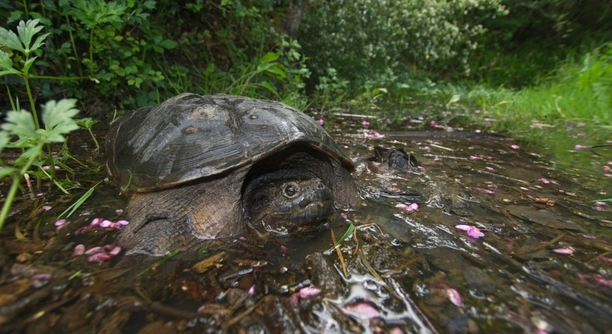
Stress can affect a snapping turtle’s ability to eat, and it is important to recognize the signs early. Stress may stem from environmental changes, handling, or other factors that disrupt their natural behavior.
A stressed snapping turtle may show signs such as lack of appetite, hiding, or unusual swimming behavior. It is essential to evaluate their environment, including water quality, temperature, and habitat setup, to address any potential stressors.
Understanding these behaviors helps ensure your turtle remains healthy and comfortable, allowing for a happier, stress-free life.
Signs of Stress in Snapping Turtles
When a snapping turtle is stressed, it may stop eating, swim erratically, or withdraw into its shell for long periods. These changes can be signs of discomfort. The environment plays a big role in their stress levels. If the water temperature fluctuates or the tank is too small, the turtle may become agitated. Loud noises or sudden movements near their enclosure can also contribute to stress. Keep a close watch on their behavior to catch early signs, as ignoring them can worsen their condition and impact their health.
It’s important to assess the water quality regularly and keep the tank environment stable. Snapping turtles are particularly sensitive to poor water conditions, which can lead to stress and health issues.
Additionally, changes in their feeding habits can point to underlying stress. If your turtle has been eating well and suddenly refuses food, it’s worth investigating the cause. They may not feel safe or comfortable enough to eat in their current environment. Always ensure they have a quiet space where they can relax and eat peacefully.
How to Create a Stress-Free Environment
Creating a peaceful and comfortable habitat for your snapping turtle involves several steps. Proper tank size, water filtration, and temperature control are essential. Avoid overcrowding in the tank, as this can lead to territorial stress. Providing hiding spots and basking areas can give your turtle a sense of security.
The right lighting is also crucial. Snapping turtles need access to UVB light, which helps them digest food properly and maintain healthy shells. Ensure their basking spot allows them to dry off completely. Keep an eye on your turtle’s water temperature and adjust it to their preferences. A tank that is too cold or too hot will only increase stress.
Lastly, it’s important to handle your snapping turtle minimally. Frequent handling can cause them anxiety, especially if they feel threatened. Always let your turtle approach you when possible, and avoid picking them up too often.
Common Causes of Stress in Snapping Turtles
Environmental changes are a major source of stress for snapping turtles. Moving to a new tank, changes in water quality, or alterations in the lighting or temperature can make them uneasy. Even introducing new objects or tank mates can upset their routine. When these stressors are not addressed, it can lead to behavioral changes such as reduced eating or erratic swimming.
To minimize stress, stick to a consistent tank setup. Avoid making frequent changes to their habitat. It is also important to maintain a regular cleaning schedule and avoid disturbing their space unnecessarily. Snapping turtles are creatures of habit and thrive in stable, familiar environments.
Additionally, overfeeding or offering inappropriate food can contribute to stress. Snapping turtles need a balanced diet, and when fed too often or with the wrong foods, they may become disoriented. Monitor their eating habits and adjust food portions as needed. Proper diet and routine feeding are crucial for their well-being.
How to Recognize Stress in Your Snapping Turtle
A stressed snapping turtle often exhibits behaviors such as hiding, lethargy, or aggression. If your turtle seems unusually withdrawn, it’s a clear sign that something is wrong. They might retreat into their shell more often and show little interest in eating. Stress can also cause them to become more defensive, snapping or lunging when approached.
Other signs of stress include erratic swimming patterns. Instead of swimming normally, they might swim in circles or crash into tank walls. This is usually a sign that something in their environment is affecting their comfort levels. If you notice these behaviors, it’s time to evaluate their surroundings.
Changes in the shell can also indicate stress. Prolonged periods of anxiety can cause a turtle’s shell to appear dull or damaged. If you notice any discoloration or soft spots, it may be linked to stress or poor water conditions. This can worsen over time if not addressed promptly.
How Stress Affects Snapping Turtle Health
Stress can have a lasting impact on a snapping turtle’s health, affecting their immune system and overall well-being. Prolonged stress may lead to digestive problems, lethargy, and even shell deformities if not addressed. The longer a turtle experiences stress, the harder it is for them to recover.
In some cases, stress can cause turtles to develop infections. A stressed immune system is less capable of fighting off bacteria, leaving them vulnerable. It’s important to ensure your turtle’s environment promotes comfort and stability, as this will help them avoid health issues related to stress.
How to Reduce Stress for Your Turtle
To reduce stress in snapping turtles, start by maintaining a stable tank environment. Avoid making changes to the water temperature or adding new items to the tank without proper acclimation. Ensure the tank is large enough to allow for movement and hiding spots to help them feel secure.
Regular water changes are also important for reducing stress. Poor water quality can contribute to anxiety and health problems. Keeping the tank clean and ensuring proper filtration will help create a comfortable, stress-free environment for your turtle. Make sure to monitor the water’s pH and temperature regularly.
The Importance of Proper Diet
A proper diet is key to maintaining a healthy snapping turtle. Stress can often be aggravated by inadequate nutrition, so providing a balanced diet is crucial. Feed them a variety of foods that cater to their natural diet, such as aquatic plants, fish, and insects.
FAQ
How can I tell if my snapping turtle is stressed?
Stress in snapping turtles is often marked by a decrease in appetite, hiding more frequently, or swimming erratically. You may notice your turtle spending more time at the bottom of the tank or retreating into its shell. These signs indicate the turtle is not comfortable in its environment, and it is important to assess water quality, temperature, and overall habitat.
What causes stress in snapping turtles?
The most common causes of stress are changes in their environment, such as a shift in water temperature, new tank mates, or improper lighting. Loud noises and sudden movements near their tank can also be unsettling. Snapping turtles are sensitive to their surroundings and require a stable, calm environment to thrive.
How do I reduce stress in my snapping turtle?
To reduce stress, ensure your turtle’s tank is the correct size with proper filtration and consistent water temperature. Avoid sudden changes, and provide places to hide for comfort. Minimize handling, as frequent touching or picking up can cause stress. Create a routine for feeding and water changes to help the turtle feel secure.
Can snapping turtles get too stressed to eat?
Yes, stress can lead to a lack of appetite in snapping turtles. If they feel unsafe or uncomfortable, they may not eat as much or at all. It’s important to observe changes in behavior, such as lack of interest in food, and assess the tank’s environment to see if stress factors are present.
How does stress affect a snapping turtle’s health?
Chronic stress can weaken a snapping turtle’s immune system, making them more prone to infections and diseases. Stress may also lead to digestive issues and poor shell health. Over time, prolonged stress can significantly reduce the turtle’s lifespan and overall quality of life if not addressed.
How can I tell if my turtle is comfortable in its environment?
A comfortable snapping turtle will eat regularly, swim in a normal pattern, and spend time basking under proper lighting. It should explore its tank, hide when it feels the need, and not appear overly defensive or lethargic. A relaxed turtle will generally seem active and healthy.
What should I do if my snapping turtle stops eating?
If your snapping turtle stops eating, first check its environment for possible stressors. Ensure the water temperature and quality are stable. Look for any signs of illness or injury. If there are no environmental issues, the problem may be health-related, and a visit to a vet is advised.
Is it normal for my turtle to hide often?
Occasional hiding is normal, as snapping turtles need places to retreat for safety and comfort. However, if your turtle hides excessively or for prolonged periods, it could be a sign of stress. Check for factors such as improper water conditions or too much noise around the tank.
Can overfeeding cause stress in snapping turtles?
Yes, overfeeding can contribute to stress. Overeating can lead to obesity, digestive problems, and irregular behavior. It’s important to feed your turtle an appropriate amount based on its size and activity level. Regular feeding routines and portion control can help keep your turtle healthy and stress-free.
How often should I clean my snapping turtle’s tank?
Cleaning your turtle’s tank regularly is important for maintaining good water quality and reducing stress. You should change the water partially every week and clean the tank thoroughly every month. Regular cleaning prevents bacteria buildup and helps keep your turtle’s environment healthy and comfortable.
What’s the best temperature for a snapping turtle’s tank?
The ideal water temperature for a snapping turtle’s tank is between 75°F and 80°F (24°C to 27°C). This range mimics their natural environment and ensures they stay healthy and active. Too cold or too hot water can stress the turtle and affect its appetite and behavior.
Do snapping turtles need UVB lighting?
Yes, snapping turtles need UVB lighting to help them metabolize calcium and maintain strong shells. UVB lighting should be provided for 10-12 hours a day. Ensure the light is positioned so that the turtle can bask and absorb the necessary UVB rays for proper health.
How much space do snapping turtles need?
Snapping turtles require a large tank with enough space to swim and explore. A tank of at least 75 gallons is recommended for an adult snapping turtle. The bigger the tank, the better, as it allows for a more comfortable living space and reduces the risk of stress caused by overcrowding.
How can I tell if my snapping turtle’s shell is healthy?
A healthy shell should be firm, smooth, and free from cracks or discoloration. If you notice soft spots, peeling, or uneven growth, it could be a sign of poor health or stress. Regularly checking the shell for any changes is important for detecting issues early on.
Can I keep my snapping turtle with other animals?
It’s generally not advisable to keep snapping turtles with other animals, especially in smaller tanks. They can become territorial and may become stressed by the presence of other species. If kept with others, ensure the tank is large enough to provide adequate space for all animals.
How long can a snapping turtle go without food?
Snapping turtles can go for several weeks without food, depending on their age and health. However, prolonged periods without food are not ideal, and stress can prolong this situation. If your turtle refuses food for extended periods, you should investigate the cause of stress or health issues.
Should I handle my snapping turtle?
Frequent handling can cause stress for snapping turtles, so it should be avoided. Snapping turtles are not as social as other pets and generally prefer to be left alone. Limit handling to necessary occasions such as tank cleaning or health check-ups. Always handle them gently if you must.
How do I know if my turtle’s water is clean enough?
Clear water is a good indication that the tank is well-maintained, but it’s important to check for hidden contaminants. Regularly test the water’s pH, ammonia, and nitrate levels. Use a good filtration system and change the water regularly to maintain proper water conditions.
What should I do if my turtle seems lethargic?
Lethargy can be a sign of stress, poor water quality, or illness. Check for changes in the turtle’s environment, such as water temperature, cleanliness, or food availability. If there are no obvious environmental causes, a vet visit may be necessary to rule out any health problems.
Is it normal for snapping turtles to be aggressive?
Snapping turtles are naturally territorial and may act aggressively, especially when they feel threatened. While some aggression is normal, excessive biting or lunging may indicate stress or discomfort. Minimize handling and provide adequate space to allow the turtle to feel secure in its environment.
Final Thoughts
Stress in snapping turtles is a serious issue that should not be overlooked. When a turtle is stressed, it can lead to a variety of health problems, including loss of appetite, poor shell condition, and even a weakened immune system. Stress is often caused by factors such as water temperature fluctuations, improper tank setup, or frequent disruptions in their environment. Recognizing the signs of stress early is key to maintaining a healthy and comfortable environment for your turtle. Regularly checking the tank conditions and keeping their habitat as stable as possible is essential in preventing stress-related health issues.
Proper care, including providing an appropriate tank size, clean water, and safe hiding places, is necessary for the overall well-being of a snapping turtle. It is also important to minimize handling and avoid sudden changes in their environment. Snapping turtles are naturally shy and territorial, so they need a quiet, secure space to thrive. If you notice that your turtle is not eating or behaving differently, it is important to review its habitat for potential stressors. Addressing these issues quickly will ensure that your turtle stays healthy and can enjoy a long life.
Lastly, it is important to remember that snapping turtles are not just pets, but living creatures that require careful attention to their needs. Maintaining their physical and mental health means being aware of the signs of stress and providing them with an environment that supports their natural behaviors. By taking the necessary steps to reduce stress, you can help your snapping turtle remain healthy and content. If you ever notice ongoing issues, consulting a veterinarian who specializes in reptiles is a wise decision to ensure that your turtle receives the best possible care.

Hello,
If you enjoy the content that we create, please consider saying a "Thank You!" by leaving a tip.
Every little bit helps us continue crafting quality advice that supports the health, happiness, and well-being of pets around the world, for pets of all shapes, sizes, and species.
We really appreciate the kindness and support that you show us!