
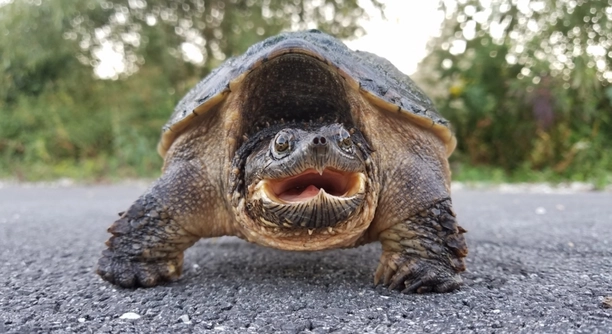
Common snapping turtles are fascinating creatures, but it’s important to know when they are not in optimal health. Observing their weight and body condition can provide valuable insight into their well-being. A healthy snapping turtle should not appear too thin.
If your common snapping turtle is too skinny, it may be a sign of malnutrition, illness, or inadequate habitat conditions. Proper diet, suitable living environments, and consistent monitoring of their health are crucial for maintaining a healthy weight.
Understanding the signs of an underweight turtle and taking steps to address them will help ensure your turtle thrives for years to come.
Signs of a Too-Skinny Snapping Turtle
One of the first signs that your common snapping turtle may be too skinny is the visible appearance of its shell. If you notice that the shell looks unusually sunken or smaller than normal, this could indicate a lack of proper nutrition. The skin around their limbs and head may also appear loose or sagging. A healthy turtle should have a firm, smooth body with a shell that fits snugly around its limbs and tail. If you’re unsure, observe the turtle’s activity levels as well. A skinny snapping turtle will likely have less energy and show little interest in swimming or hunting for food.
In addition to its physical appearance, the turtle’s behavior can give you clues about its health. If your snapping turtle is lethargic, uninterested in eating, or frequently hiding, these could be warning signs. A lack of food intake may lead to further weight loss and potential health problems down the line.
Proper care is essential to prevent your snapping turtle from becoming too skinny. Make sure that its habitat includes enough space for swimming and basking, and provide a well-balanced diet that includes protein and vegetables.
Causes of a Skinny Snapping Turtle
A common cause of a skinny snapping turtle is an inadequate diet. If the turtle isn’t getting enough food or the right types of nutrients, it will quickly lose weight. A healthy turtle needs a combination of animal protein and plant matter. Without a proper balance, its body will not be able to maintain a healthy weight.
Illness can also play a role in weight loss. If your snapping turtle has a parasite or infection, its appetite may decrease, resulting in weight loss. You may notice other symptoms, such as swelling, discharge from the eyes or nose, or changes in behavior. Stress, whether from environmental changes or improper habitat conditions, can also cause a turtle to stop eating and lose weight.
It’s important to maintain the right temperature and water quality in their habitat. Snapping turtles require a specific range of temperatures to stay active and healthy. If the tank is too cold or too warm, or if the water isn’t filtered properly, the turtle could become stressed and lose weight.
How to Address a Skinny Snapping Turtle
If you discover your snapping turtle is underweight, it’s essential to act quickly. Begin by improving its diet with the right mix of proteins and vegetables. You can offer live fish, insects, and earthworms for protein, along with leafy greens like kale and collard greens.
Reassess the turtle’s habitat conditions to ensure everything is optimal for its health. The water temperature should range from 75 to 85°F, and the basking area should be around 90°F. Make sure there are hiding spots for security and enough space for swimming. Clean, filtered water is key to preventing stress and promoting a healthy appetite.
Stress is another factor that can lead to a lack of appetite. Minimizing disturbances in your turtle’s environment is important. Keep the habitat quiet and calm to encourage your turtle to feel safe and comfortable enough to eat regularly.
Checking for Dehydration in Snapping Turtles
Dehydration can make a snapping turtle appear skinny. If your turtle isn’t drinking enough water, it can lose weight quickly. Check its hydration levels by observing the texture of its skin and the brightness of its eyes. If it looks dull or wrinkled, it may be dehydrated.
The best way to prevent dehydration is by ensuring your turtle has constant access to fresh, clean water. Make sure the water in the tank is deep enough for it to soak in, as they drink while submerged. You can also mist the turtle’s shell and body with water to keep it hydrated.
How to Feed a Skinny Snapping Turtle
To help a skinny snapping turtle gain weight, offer more frequent feedings. Try varying its diet with different types of protein, such as live fish, shrimp, and worms. Snapping turtles are opportunistic feeders, so offering a variety of food will ensure it gets the nutrients it needs.
Adding more vegetables to its diet will also help. You can provide leafy greens like dandelion greens, water lettuce, and aquatic plants. This balance between animal protein and plant matter is key to a healthy, well-rounded diet for your turtle.
Importance of Regular Health Checks
Regular health checks are essential for keeping your snapping turtle in good condition. Look for signs of illness or stress, such as swollen limbs, abnormal behavior, or changes in eating habits. If you notice anything concerning, consult a reptile vet to ensure proper care.
FAQ
How can I tell if my snapping turtle is underweight?
A snapping turtle that is underweight will show noticeable signs in its physical appearance. The shell may appear sunken or thinner, and you may notice loose skin around the limbs or head. If your turtle seems less active or reluctant to feed, this could also indicate it’s not getting enough nutrition. Pay attention to the turtle’s behavior and energy levels. If it’s lethargic or not swimming or basking as usual, it could be a sign of being underweight. Regular weight checks are helpful to monitor any significant changes.
What should I feed my skinny snapping turtle?
To help a skinny snapping turtle, you need to provide a balanced diet that includes both animal protein and plant matter. Offer live fish, earthworms, crickets, or snails for protein. You can also include leafy greens like kale, water lettuce, and dandelion greens. A variety of foods ensures your turtle gets the necessary vitamins and minerals. Adding calcium-rich foods such as cuttlebone or calcium powder will also help support its shell growth and overall health. Make sure to feed your turtle 3-4 times a week, adjusting based on its size and age.
Can dehydration cause my snapping turtle to lose weight?
Yes, dehydration can cause a snapping turtle to appear skinny. If a turtle is not drinking enough water or soaking frequently, it can become dehydrated, which can lead to weight loss and a decrease in overall health. The skin of a dehydrated turtle may look dry or wrinkled, and its eyes might appear dull. To avoid dehydration, make sure your turtle has access to fresh, clean water at all times. You can also mist its body and shell with water or provide a soaking area to help maintain hydration.
What kind of habitat is best for a snapping turtle?
A snapping turtle needs an appropriately sized tank with both water and dry areas for basking. The water should be deep enough for the turtle to swim freely, while the basking area should be large enough for it to dry off and get warmth. Keep the water clean by using a strong filtration system. The temperature should be carefully controlled, with the water between 75 to 85°F and the basking spot around 90°F. UVB lighting is also necessary to help the turtle metabolize calcium and stay healthy. Keep the environment stress-free by avoiding sudden changes or loud noises.
Can I feed my snapping turtle vegetables only?
No, snapping turtles are omnivores and require a mix of animal protein and plant matter in their diet. While vegetables like leafy greens, aquatic plants, and fruits can be part of their diet, they also need protein sources such as live fish, insects, or worms to stay healthy. A vegetable-only diet will not provide the necessary nutrients, especially protein, that they require for proper growth and energy. Offering a well-rounded diet is key to keeping your snapping turtle healthy and at a good weight.
Why is my snapping turtle not eating?
If your snapping turtle is not eating, it could be due to several factors, including stress, illness, or an improper environment. Stressful conditions, such as a dirty tank, incorrect water temperature, or too much noise, can make a turtle stop eating. Health issues, like parasites or infections, may also cause a loss of appetite. Another reason could be improper lighting or insufficient UVB exposure. If the turtle isn’t eating and shows other signs of illness, it’s best to consult a vet. Sometimes, a turtle may also refuse food if it’s not hungry or if it’s not the right type of food.
How often should I feed my snapping turtle?
Feeding frequency depends on the age and size of the snapping turtle. Younger turtles require more food and should be fed daily. Adult turtles typically need to be fed 2-3 times a week. Offer a variety of foods, including proteins and greens, each feeding session. Overfeeding can lead to obesity, so be careful not to overfeed, especially with high-protein foods. Monitor the turtle’s weight and adjust feeding frequency accordingly to keep it healthy. If your turtle is still growing, you may need to feed it more often to ensure it receives enough nutrients.
How can I prevent my snapping turtle from getting too skinny?
Preventing your snapping turtle from becoming too skinny involves a few simple but important steps. Ensure that your turtle’s habitat is suitable, with clean water, the right temperature, and adequate space. Provide a balanced diet that includes both animal proteins and plant matter. Regularly check its health and weight to catch any signs of illness or malnutrition early. Also, try to avoid stressing the turtle by keeping its environment quiet and stable. Regularly monitor its behavior and food intake to ensure it’s staying healthy and not losing weight.
Can a snapping turtle recover if it’s too skinny?
Yes, a snapping turtle can recover if it’s too skinny, but it may take some time and attention. Start by improving its diet, offering a good mix of proteins and greens, and ensuring its habitat is clean, warm, and stress-free. You may need to adjust the feeding routine, offering smaller, more frequent meals to help the turtle gain weight gradually. If the turtle’s condition does not improve or if it shows signs of illness, consult a reptile vet for further advice and treatment. With proper care and attention, most snapping turtles can regain their health.
Final Thoughts
Taking care of a snapping turtle requires attention to its diet, habitat, and health. Ensuring your turtle gets a balanced diet with both animal protein and vegetables is essential for maintaining a healthy weight. A mix of live fish, worms, and leafy greens will provide the right nutrients. Regularly monitoring its eating habits and physical condition will help you notice if your turtle is losing weight or becoming unhealthy. Providing the proper food and environment will keep your snapping turtle strong and thriving.
The environment is just as important as the diet. A clean tank with adequate water depth and basking areas is essential for your turtle’s well-being. The water temperature should be carefully maintained, and UVB lighting is necessary for the turtle to metabolize calcium properly. If your turtle is not eating or seems lethargic, it could be a sign of environmental stress. Make sure the habitat is quiet and stable, without sudden changes in temperature or lighting. A proper habitat can help prevent health issues, including weight loss and dehydration.
If you notice your snapping turtle becoming too skinny, it’s important to act quickly. Dehydration and malnutrition can be the causes, so check if your turtle is drinking enough water and eating properly. Offering more frequent feedings with a variety of food will help it regain weight. If the problem persists or if your turtle shows signs of illness, consulting a reptile vet is always a good idea. With proper care, attention, and regular health checks, your snapping turtle will stay healthy and happy.

Hello,
If you enjoy the content that we create, please consider saying a "Thank You!" by leaving a tip.
Every little bit helps us continue crafting quality advice that supports the health, happiness, and well-being of pets around the world, for pets of all shapes, sizes, and species.
We really appreciate the kindness and support that you show us!