
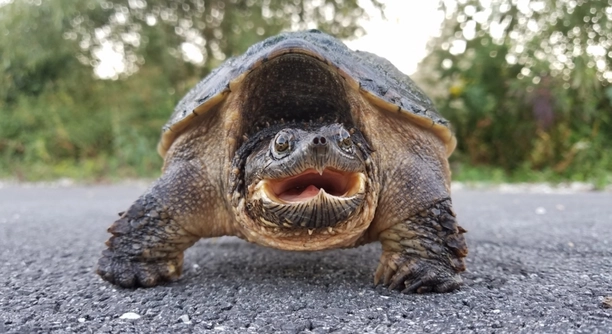
Overfeeding a common snapping turtle can lead to health issues. Recognizing the signs of overfeeding is essential for its well-being. Keeping an eye on your turtle’s diet and behavior can help maintain its health and prevent overfeeding.
Overfeeding in common snapping turtles can result in obesity, shell deformities, and digestive problems. Signs include a lack of activity, excessive weight gain, and a reluctance to eat. Proper portion control and a balanced diet are key to maintaining turtle health.
Understanding the signs of overfeeding will help you keep your turtle healthy. Proper feeding habits play a key role in ensuring it thrives and remains active.
How Overfeeding Affects a Snapping Turtle’s Health
When a common snapping turtle is overfed, it can lead to a range of health problems. One of the most noticeable is weight gain. Snapping turtles have a slow metabolism, so excess food doesn’t burn off as quickly as in more active animals. This leads to an increase in fat stores, which can strain the turtle’s overall health. An overweight turtle is more prone to diseases such as fatty liver, which can be difficult to treat. Moreover, overfeeding can cause problems with the turtle’s shell. A well-fed turtle may not engage in natural behaviors like swimming or basking, leading to weaker muscles and less healthy shell growth. This lack of activity also increases the chances of obesity and joint problems.
Excessive food intake can also cause digestive problems. Overfed turtles may have difficulty passing waste, leading to a buildup of toxins in the body. Their digestive systems are designed to process food in moderation, and an overload of food can slow down digestion or result in bloating.
It’s crucial to monitor your snapping turtle’s diet carefully. Overfeeding can be avoided by sticking to a consistent, appropriate feeding schedule. Snapping turtles do best with a varied diet, including a mix of protein, vegetables, and occasional fruit. Their diet should be portioned according to their size and age to ensure they stay healthy and active.
Recognizing Signs of an Overfed Snapping Turtle
One of the first signs of overfeeding in snapping turtles is a lack of activity. If your turtle becomes sluggish and spends most of its time resting, it might be consuming too much food. Regular activity, such as swimming or basking, is necessary for keeping the turtle fit.
If your snapping turtle is constantly inactive, its weight gain could become more evident. The extra weight will make it harder for the turtle to move freely. If this becomes a consistent issue, the turtle’s long-term health could suffer. It’s important to ensure that the amount of food provided is right for the turtle’s size and age.
Importance of Portion Control for Snapping Turtles
Portion control is key to keeping your snapping turtle healthy. Offering the right amount of food helps prevent obesity and other health issues. Too much food can lead to digestive problems, weight gain, and inactivity. Understanding the appropriate portion size based on your turtle’s age and size is essential for its well-being.
Feeding your turtle too much can also affect its behavior. Overfed turtles often become lethargic and spend most of their time resting, avoiding swimming or basking. This lack of activity can weaken their muscles and affect the shell’s development. Keeping portions in check ensures your turtle stays active and healthy. By following a routine feeding schedule, you’ll promote natural behaviors and better overall health for your pet. It’s crucial to balance their diet and provide them with the correct nutrients in moderation.
One helpful tip is to feed your turtle a variety of foods, including protein, vegetables, and occasional fruits. This balance ensures they get the nutrients they need without excess. Offering food in small amounts at regular intervals will prevent overfeeding and keep your turtle in optimal condition.
Monitoring Your Snapping Turtle’s Weight
Weighing your snapping turtle regularly is an easy way to track its health. It can give you a clear indication of whether the turtle is underweight, at a healthy weight, or overweight. By comparing its weight to standard growth charts, you can identify if your turtle has gained too much weight. An increase in weight can be a sign that you’ve been overfeeding.
Weight monitoring helps you adjust feeding habits to ensure the turtle stays in top shape. If the turtle is gaining weight too quickly, you may need to cut back on its food intake or adjust the portions. Keeping the turtle’s weight stable can prevent serious health issues related to obesity, like joint strain and difficulty swimming. By following a balanced feeding schedule and tracking their weight, you can avoid potential problems and ensure your turtle remains healthy.
If you’re unsure about the ideal weight for your snapping turtle, it’s a good idea to consult a vet. They can give you advice on portion size, feeding frequency, and general care to maintain your turtle’s health.
Signs of Digestive Issues in Snapping Turtles
When a snapping turtle is overfed, it may experience digestive issues. Constipation, bloating, or irregular bowel movements can be a clear sign of overfeeding. If you notice these symptoms, it could indicate that the turtle’s food intake is more than its digestive system can handle.
Excess food can cause the turtle’s system to slow down, leading to difficulty passing waste. The extra food may also cause discomfort and reduce the turtle’s activity. Adjusting the portion sizes and offering a balanced diet can help avoid digestive issues and keep your turtle healthy.
How Overfeeding Affects Shell Health
A snapping turtle’s shell can also be affected by overfeeding. Excessive food intake can lead to improper growth and shape of the shell. An overweight turtle might not move enough, which can lead to weak muscles and shell deformities. Regular activity is essential for maintaining the strength and shape of the shell.
To keep the shell healthy, it’s important to feed your turtle the right amount of food and encourage activity. Proper nutrition combined with movement helps maintain both the turtle’s shell and overall health. By sticking to a balanced diet, your turtle will be less likely to experience issues with its shell or bones.
Feeding Frequency for Snapping Turtles
Feeding frequency is important for maintaining a balanced diet for your snapping turtle. Generally, adult turtles can be fed every two or three days, while younger turtles require more frequent meals. By sticking to a routine, you can prevent overfeeding and ensure the turtle gets proper nutrition.
FAQ
What is the best diet for a snapping turtle?
The best diet for a snapping turtle includes a variety of foods such as high-quality pellets, live prey (like fish or insects), and fresh vegetables. Younger turtles need more protein, while adults can eat more plant matter. Offering a balanced mix ensures they receive the proper nutrients. Avoid overfeeding protein, as too much can lead to obesity or health problems.
How can I tell if my snapping turtle is too fat?
A snapping turtle that is too fat may appear sluggish or inactive. It will have noticeable weight gain, especially around the midsection. Its shell may also look deformed or misshapen due to the excess weight. If your turtle’s movements are slower or less frequent, it might be a sign of overfeeding.
How often should I feed my snapping turtle?
Adult snapping turtles should generally be fed every two to three days. Younger turtles, still growing, should be fed more frequently—around every day or every other day. Overfeeding can lead to obesity, so sticking to a feeding schedule helps maintain a healthy weight.
Can overfeeding harm my snapping turtle?
Yes, overfeeding can cause a range of health problems for your snapping turtle, including obesity, shell deformities, and digestive issues. Excess food can strain their digestive system, causing constipation and discomfort. Over time, it can reduce their activity levels and overall health.
How much food should I give my snapping turtle?
The amount of food you should give your snapping turtle depends on its age and size. A good rule of thumb is to feed them an amount that they can eat in about 10 to 15 minutes. For adults, this could be a handful of vegetables and a small portion of protein.
What happens if I don’t feed my snapping turtle enough?
If your snapping turtle isn’t getting enough food, it could become underweight, lethargic, and more prone to health issues like weakened muscles and a poorly developed shell. Ensure that your turtle receives a balanced diet with the right amount of food to prevent malnutrition.
Is it okay to feed my snapping turtle fruit?
Yes, you can feed your snapping turtle fruit, but only in moderation. Fruit is high in sugar and should not make up the majority of their diet. Offering occasional pieces of fruit, such as berries or melon, can add variety to their meals without risking health issues from overconsumption of sugar.
How do I encourage my snapping turtle to be more active?
To encourage your snapping turtle to be more active, make sure its habitat is stimulating. Provide space for swimming and basking, and make sure the water is clean and properly heated. Overfeeding can reduce activity, so managing portion sizes is also key to maintaining your turtle’s natural behaviors.
Can my snapping turtle eat vegetables?
Yes, snapping turtles can eat a variety of vegetables. Offer leafy greens such as kale, collard greens, and dandelion greens. Avoid vegetables that are too high in oxalates (like spinach) as they can cause kidney problems if consumed too frequently. Vegetables provide essential nutrients and fiber for your turtle’s diet.
Why is my snapping turtle not eating?
There are several reasons why a snapping turtle might refuse food. Stress, temperature changes, and poor water quality are common factors. It’s important to ensure the habitat is clean, the temperature is appropriate, and the turtle feels safe. If the issue persists, consult a veterinarian to rule out health problems.
What should I do if my snapping turtle is constipated?
If your snapping turtle is constipated, try offering foods high in fiber, such as dandelion greens or other leafy vegetables. You can also soak your turtle in warm water for 20 to 30 minutes, as this can help stimulate digestion. If constipation continues, it’s best to consult a vet for advice.
How long can a snapping turtle go without food?
An adult snapping turtle can typically go without food for a few weeks, especially if it is in good health. However, this shouldn’t be done regularly. Young turtles need more frequent meals, so it’s essential to feed them on a regular schedule to ensure they grow properly.
Should I feed my snapping turtle in the water or on land?
Feeding your snapping turtle in the water is usually the best option, as this is how they would naturally hunt and consume food. However, some turtles may also eat on land if that’s where they feel comfortable. Just ensure the food is easily accessible and safe for them to eat.
Can my snapping turtle eat fish?
Yes, snapping turtles can eat fish. Live or frozen fish can be a great source of protein for them. However, avoid feeding them fish that are too large, as this could lead to choking or digestive issues. Additionally, offering a variety of prey like insects and crustaceans will provide balanced nutrition.
What size should my snapping turtle be before feeding it live prey?
It’s best to wait until your snapping turtle is large enough to handle live prey, which is usually around 6 to 8 inches in length. At this size, they can safely hunt and consume live food like fish, worms, or insects without risk of choking or injury.
Is it normal for my snapping turtle to bask a lot?
Yes, it’s completely normal for your snapping turtle to spend time basking. Basking helps them regulate their body temperature and aids in digestion. If your turtle is basking frequently, it’s likely getting the proper amount of warmth and is healthy. Just make sure it has access to clean water as well.
Final Thoughts
Maintaining the health of your snapping turtle involves finding a balance in their diet. Overfeeding or underfeeding can lead to serious health issues that can be difficult to correct. It’s important to monitor their food intake, ensuring they get enough nutrients without going overboard. By offering a variety of foods, such as vegetables, protein sources, and occasional fruit, you’ll be able to give them a well-rounded diet. Just remember, moderation is key.
Keeping an eye on your turtle’s weight, activity level, and general behavior is a good way to spot any signs of overfeeding. If your turtle seems to be gaining weight too quickly or is becoming sluggish, you may need to adjust its diet. On the other hand, if your turtle is eating less or seems lethargic, it could be a sign that it’s not getting enough food. Either way, consistent observation and small adjustments can help keep your turtle healthy and happy.
Remember, the key to a healthy snapping turtle lies in providing the right environment and care. Pay attention to their habitat, diet, and overall well-being. By staying consistent with their feeding schedule and adjusting as needed, you’ll ensure they thrive in your care. A healthy snapping turtle can live for many years, bringing you years of enjoyment and companionship.

Hello,
If you enjoy the content that we create, please consider saying a "Thank You!" by leaving a tip.
Every little bit helps us continue crafting quality advice that supports the health, happiness, and well-being of pets around the world, for pets of all shapes, sizes, and species.
We really appreciate the kindness and support that you show us!