
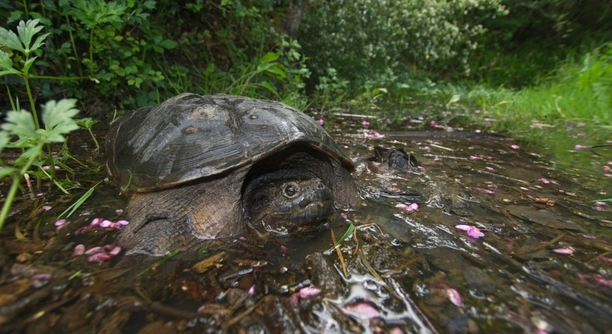
Dehydration is a common concern for pet owners, especially for reptiles like the common snapping turtle. Recognizing the signs early can make a difference in their health. Knowing how to spot dehydration can prevent further complications.
The primary signs of dehydration in a common snapping turtle include lethargy, sunken eyes, and dry skin. Ensure your turtle has access to clean water and a suitable environment to help avoid dehydration and maintain overall health.
Proper hydration is key to keeping your turtle healthy. Identifying the symptoms of dehydration early is essential to providing the best care.
Recognizing Dehydration Symptoms in Snapping Turtles
One of the first signs that your common snapping turtle might be dehydrated is a noticeable decrease in activity. Healthy turtles are usually active and explore their surroundings, but dehydration can cause them to become lethargic. Their eyes may appear sunken, and the skin might look dry or flaky. If you notice any of these symptoms, it is important to address the issue quickly. Dehydration can lead to more serious health problems, so catching it early will help prevent long-term damage.
To avoid dehydration, make sure your turtle has access to clean water at all times. They should also have a humid environment with a proper basking area to regulate their body temperature. When these factors are overlooked, dehydration is more likely to occur.
When a turtle is dehydrated, it may refuse to eat or drink. This can make the problem worse if not addressed promptly. It’s crucial to provide both fresh water and a suitable habitat for your turtle. Ensuring a proper environment will help prevent dehydration and other health problems that could arise from it.
How to Properly Hydrate Your Turtle
A turtle’s hydration comes from drinking water and absorbing it through their skin. Dehydrated turtles can be rehydrated by soaking them in warm, shallow water. This will allow them to drink and absorb moisture. However, if your turtle is severely dehydrated, consult a veterinarian.
Offering fresh water regularly is essential, but it is equally important to maintain the right habitat. This means having a water bowl that is clean and accessible, along with a proper humidity level in their enclosure. Regular checks of their habitat will help keep them hydrated.
Causes of Dehydration in Snapping Turtles
Turtles can become dehydrated for several reasons, including insufficient access to water or improper environmental conditions. A lack of clean water or high humidity can lead to moisture loss. Stress, such as moving or handling, can also contribute to dehydration, making it more difficult for the turtle to retain water.
Inadequate water in the enclosure is a major factor in dehydration. If the water dish is too small or unclean, the turtle may not drink enough. Additionally, if there’s no water for soaking, dehydration becomes more likely. Stress and poor temperature regulation can further exacerbate dehydration. Always ensure your turtle has access to both water to drink and a place to soak.
Poor diet can also contribute to dehydration. If a turtle is fed too much dry food or foods with little moisture content, it might not get enough hydration. Offering fresh vegetables or water-rich fruits can help prevent dehydration. It’s important to provide a balanced diet alongside proper environmental care.
Preventing Dehydration in Snapping Turtles
To prevent dehydration, focus on maintaining the proper habitat. Ensure your turtle has access to clean, fresh water at all times. Keep the water temperature stable, and provide an area for soaking. This allows the turtle to hydrate naturally.
Creating a suitable environment with the right humidity levels is crucial. Snapping turtles need a basking area to regulate body temperature, but it’s also essential that their living space remains humid enough to support hydration. Regularly check for water changes and ensure the temperature stays within the optimal range. Regular soaking can help as well.
Signs That Your Turtle is Recovering from Dehydration
Once your turtle begins rehydrating, you’ll notice improvement in its activity levels. It will start moving around more, exploring its environment and basking. The eyes should become less sunken, and the skin may begin to look more hydrated. This is a good sign that your turtle is recovering.
If the turtle starts eating and drinking on its own, that is another positive sign. It’s important to monitor the turtle for a few days after rehydration to ensure it doesn’t return to a dehydrated state. Continue providing fresh water and a humid environment to support its recovery.
Monitoring Your Turtle’s Health
Keep a close eye on your turtle’s behavior and physical appearance during the recovery process. Monitor its movement, eating habits, and hydration levels. If the dehydration symptoms persist or worsen, consult a veterinarian for further guidance. Quick action is key to preventing any long-term damage.
When to Seek Veterinary Help
If your turtle is severely dehydrated and does not respond to home treatments, veterinary assistance is necessary. A professional can provide fluids directly and address any underlying issues. Never wait too long to seek help, as dehydration can lead to serious health problems in reptiles.
FAQ
How can I tell if my snapping turtle is dehydrated?
Signs of dehydration in snapping turtles include lethargy, sunken eyes, and dry, flaky skin. You may also notice that your turtle becomes less active, spending more time hiding or resting. If the turtle refuses to drink or eat, dehydration could be a concern. A lack of normal movement or reluctance to bask may also point to dehydration.
Can snapping turtles drink water from a dish?
Yes, snapping turtles can drink water from a dish, but it’s important that the water is kept clean. Ensure the dish is large enough for the turtle to access comfortably. Fresh, non-chlorinated water should be provided regularly, as turtles rely on drinking to stay hydrated. If possible, offer a shallow water area for soaking to allow natural hydration.
How long can a snapping turtle go without water?
A snapping turtle can go without water for a short time, but dehydration can occur quickly if they lack access to hydration for too long. It’s recommended that they have access to water at all times. Dehydration can cause serious health issues, so it’s crucial to provide water regularly.
Can I give my turtle water with added electrolytes?
It’s not necessary to add electrolytes to your turtle’s water unless advised by a veterinarian. Snapping turtles generally get all the hydration they need from clean, fresh water and a properly maintained habitat. However, if your turtle is severely dehydrated, a vet may recommend using electrolyte solutions temporarily.
Is it safe to soak my turtle in water to help hydrate it?
Yes, soaking your snapping turtle in shallow, warm water can help it rehydrate. Make sure the water is not too hot or too cold to avoid stressing the turtle. A gentle soak for 20 to 30 minutes can allow the turtle to drink and absorb moisture through its skin. Always supervise the process to ensure your turtle is comfortable.
How often should I clean my turtle’s water dish?
Clean your turtle’s water dish at least once a day, especially if it is used for drinking and soaking. Dirty water can quickly lead to health issues and may discourage the turtle from drinking. Regular cleaning ensures that the water remains free from bacteria and debris, promoting better hydration and overall health.
Can I use tap water for my turtle?
Tap water can be used, but it should be free from chlorine and chloramine. These chemicals can be harmful to turtles. If you use tap water, allow it to sit for 24 hours before offering it to your turtle or treat it with a water conditioner designed for reptiles. This ensures the water is safe for drinking and soaking.
How can I prevent my snapping turtle from becoming dehydrated?
To prevent dehydration, ensure your turtle has constant access to fresh, clean water. The enclosure should also have a humid environment with appropriate basking and soaking areas. Maintaining proper humidity and water temperature levels is essential. Regularly monitor your turtle’s health, and offer a balanced diet with water-rich foods like leafy greens and fruits.
What should I do if my turtle is not drinking?
If your turtle is not drinking, try offering water in different ways. Place the turtle in a shallow, warm bath for 20-30 minutes to encourage drinking. Ensure that the water is clean and free from chemicals. If the turtle still refuses to drink, it may be a sign of dehydration, and you should seek veterinary advice.
Can stress cause dehydration in turtles?
Yes, stress can contribute to dehydration in turtles. Factors like frequent handling, changes in their environment, or loud noises can cause stress. Stress affects their ability to hydrate properly, making them more susceptible to dehydration. Ensuring that your turtle has a stable, quiet environment will help reduce stress and prevent dehydration.
What type of food can help hydrate my snapping turtle?
Foods with high water content, such as leafy greens, water plants, and certain fruits, can help hydrate your snapping turtle. These types of foods provide additional moisture, which is especially helpful when the turtle isn’t drinking enough water. Avoid feeding overly dry foods, as they can contribute to dehydration.
How often should I provide a soaking bath for my snapping turtle?
Offering a soaking bath every few days can help your turtle maintain proper hydration, especially if it seems dehydrated. The frequency of the baths depends on your turtle’s environment and overall health. Regular soaking, combined with proper water access, is essential for maintaining hydration.
Can I use bottled water for my snapping turtle?
Bottled water can be used, but it’s important to check the label for any added minerals or chemicals that could be harmful to your turtle. If you’re unsure, it’s best to use filtered or treated tap water, as this can be a safer option. Always ensure the water is free from chlorine or chloramine.
Final Thoughts
Ensuring that your snapping turtle stays hydrated is crucial for its health and well-being. Dehydration can lead to several health problems, including lethargy, poor skin condition, and digestive issues. By providing access to clean water and maintaining the proper environmental conditions, you can significantly reduce the risk of dehydration. Regular monitoring of your turtle’s behavior and physical appearance can also help you spot early signs of dehydration, allowing you to take quick action.
It’s important to remember that dehydration in turtles can happen unexpectedly, especially if they are stressed or their habitat conditions change. A stable, clean environment with constant access to water is essential for preventing dehydration. When offering water, make sure it is free from harmful chemicals like chlorine, and that it is the appropriate temperature. Fresh, clean water should be available at all times, as this allows your turtle to hydrate naturally and stay healthy. In cases where your turtle is not drinking or eating, it’s crucial to act fast and seek veterinary advice if necessary.
If your snapping turtle shows signs of dehydration, there are simple steps you can take to help it recover. Soaking your turtle in warm, shallow water for short periods can encourage it to drink and hydrate. Additionally, offering water-rich foods like leafy greens can support hydration. However, if your turtle’s condition does not improve or worsens, seeking professional help is essential. Taking preventative measures to ensure your turtle stays hydrated will help maintain its health and happiness for years to come.

Hello,
If you enjoy the content that we create, please consider saying a "Thank You!" by leaving a tip.
Every little bit helps us continue crafting quality advice that supports the health, happiness, and well-being of pets around the world, for pets of all shapes, sizes, and species.
We really appreciate the kindness and support that you show us!