
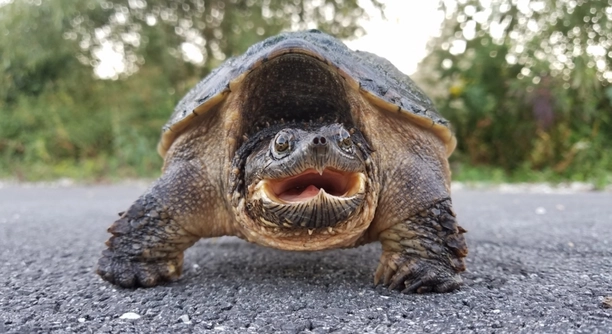
Common snapping turtles are fascinating creatures, but keeping them healthy and safe requires close attention. A shell crack can lead to serious complications for your turtle, so it’s important to know how to spot one early on.
To determine if your snapping turtle has a shell crack, closely inspect its shell for any visible damage such as deep grooves, fractures, or holes. Cracks can vary in size, but even minor ones can cause infections and affect overall health.
Understanding the signs of shell damage helps you address any issues quickly and effectively. Proper care can help prevent future complications for your snapping turtle’s well-being.
Signs of Shell Cracks in Your Snapping Turtle
Shell cracks in snapping turtles can appear for a variety of reasons. They might result from accidental falls, rough handling, or fights with other animals. As a turtle’s shell is its main protection, any damage can lead to infections or other serious health problems if not addressed quickly. It’s important to keep an eye out for both obvious and subtle signs.
If you notice your turtle being unusually sensitive or avoiding certain movements, it might be because of pain from a shell crack. A turtle with shell damage may also have difficulty swimming or moving around normally. Even if the crack appears small, it’s essential to look closely for any deeper signs of distress.
Examine the edges and surface of the shell closely for any visible cracks, especially around the scutes. A scute is the hard plate that forms the outer layer of the shell. Cracks or breaks can appear between these plates, and they can lead to larger fractures if left untreated. In some cases, you might notice discoloration or swelling around the damaged area. If the crack seems deep, the shell could be vulnerable to infections, which are often harder to treat. Immediate veterinary care is necessary if you find significant damage.
How Shell Cracks Affect Your Snapping Turtle’s Health
A cracked shell is more than just an aesthetic issue. The damage can make your turtle more vulnerable to infections, especially if the crack breaks through the outer layer. When this happens, bacteria or fungus can enter the shell and cause severe complications. This can lead to internal problems, such as abscesses or even organ damage in extreme cases.
While minor cracks may heal on their own, deep cracks can lead to life-threatening situations. The turtle’s shell might deform as it tries to heal itself, potentially causing discomfort or further damage. Infected cracks can also affect the turtle’s ability to regulate its body temperature, as the shell plays a role in thermoregulation. It’s crucial to monitor your turtle closely for any signs of illness or discomfort after discovering a crack.
Prompt treatment is essential for ensuring your turtle stays healthy. If you notice signs of infection, seek immediate veterinary attention. Veterinarians may recommend cleaning the crack, applying antibiotics, or even performing surgery in some severe cases. Caring for the shell properly after treatment can help prevent further complications, so it’s essential to follow all instructions given by the vet.
How to Treat a Cracked Shell
Treating a cracked shell requires immediate action to prevent infection. Clean the damaged area gently using clean water and a soft cloth. If the crack is deep, seek professional veterinary care to avoid complications like infections. Proper care early on can make a big difference in healing.
Veterinarians may recommend applying a specific antiseptic solution to the affected area, ensuring the crack is properly disinfected. In some cases, the vet might use a special epoxy or shell repair material to help seal the crack. The treatment might vary depending on the severity, so a professional evaluation is critical.
It’s also important to keep the turtle in a clean, dry environment during the healing process. Avoid handling the turtle too much to prevent additional stress on the shell. Make sure the tank has clean water and that your turtle has easy access to basking areas. Proper care and patience will help ensure the healing process goes smoothly and prevent further damage to the shell.
Preventing Future Shell Cracks
To prevent future shell cracks, ensure your turtle’s environment is safe and well-maintained. Avoid rough surfaces in their enclosure that could cause accidents. Proper handling also plays a key role; always support your turtle’s body to avoid putting unnecessary pressure on its shell.
A clean environment reduces the risk of bacterial infections that could develop from existing shell damage. Additionally, keeping the water temperature stable helps the turtle’s immune system stay strong, making it less prone to infections. Provide your turtle with a balanced diet that supports its shell health. Foods rich in calcium can help strengthen the shell over time, reducing the chances of cracks from accidental falls or impacts.
How to Monitor Healing Progress
After you begin treating the crack, keep a close eye on the healing process. Check the cracked area regularly for signs of infection, such as redness or swelling. If you notice any worsening conditions, get professional help immediately. Regular checks will ensure proper recovery.
While monitoring, it’s important to keep track of any behavioral changes in your turtle. A turtle that is not eating or is acting lethargic might be experiencing discomfort. This could be a sign that the healing process is being delayed or that an infection has developed. If the turtle is avoiding movement or shows signs of pain, consult with a vet for further care.
The Importance of Proper Nutrition
Proper nutrition is vital to support the healing process. Ensure your turtle is eating foods rich in calcium and vitamins. These nutrients promote shell strength and encourage faster healing. A lack of these nutrients can delay recovery or make the shell more susceptible to further damage.
Feeding a variety of vegetables and protein sources will keep your turtle’s immune system strong, helping to prevent infections that can arise from shell cracks. You might also consider adding supplements if your turtle’s diet doesn’t meet all its nutritional needs.
FAQ
What causes shell cracks in common snapping turtles?
Shell cracks in snapping turtles can happen for various reasons, including falls, rough handling, fights with other animals, or even stress from improper living conditions. Accidents like these can cause the shell to break or crack, making the turtle vulnerable to infections. Poor water quality or improper basking conditions may also contribute to weakened shells, making them more prone to cracking.
How can I tell if my turtle’s shell crack is severe?
If the crack is shallow, you may not see any visible damage to the inner layers of the shell. However, a deep crack may penetrate through the outer layers, making the inner parts of the shell exposed and susceptible to infection. A crack that leads to swelling, discoloration, or an odd shape might be severe and require immediate attention from a veterinarian. Pay attention to any signs of distress, such as lethargy or changes in eating and swimming behavior.
Can I treat a shell crack at home?
For small, superficial cracks, you can clean the area with mild water and disinfect it using a gentle antiseptic. If the crack is deep or large, it’s best to consult a vet for professional care. Trying to repair severe damage on your own may lead to complications or infections. For minor cracks, after cleaning, you may apply a non-toxic shell repair product, but this should be a temporary solution while waiting for professional care.
How long does it take for a snapping turtle’s shell to heal?
The healing time for a cracked shell can vary based on the severity of the damage. A minor crack might take a few weeks to heal, while deeper or more serious cracks could take several months. It’s important to maintain proper care during this time, including providing the right diet and environment to support recovery.
Is it safe for a turtle to swim with a cracked shell?
Swimming can be safe for a turtle with a cracked shell if the damage is minor, but it’s important to monitor closely for signs of infection or distress. If the crack is deep or bleeding, it’s best to keep the turtle out of water until the crack heals, as water can introduce bacteria that may cause infection.
What are the signs of infection in a snapping turtle with a shell crack?
Signs of infection in a snapping turtle may include redness, swelling, foul odor, discharge, or changes in behavior such as lethargy, loss of appetite, or avoidance of movement. If any of these symptoms appear, it’s important to seek veterinary attention immediately to prevent further complications.
Can a snapping turtle live with a cracked shell?
A snapping turtle can live with a cracked shell if the damage is minor and properly treated. However, untreated or severe cracks can lead to infections and long-term health problems. Even a small crack can lead to complications if bacteria enter the shell, so it’s always best to monitor the condition and seek professional care when needed.
How can I prevent shell cracks in my snapping turtle?
To prevent shell cracks, make sure your turtle’s enclosure is free from sharp objects or rough surfaces that could cause injury. Avoid handling your turtle roughly and always support its body to protect the shell. Ensure that your turtle has access to a clean, well-maintained environment with proper basking spots and water temperature. A nutritious diet that includes calcium and other essential nutrients can help maintain shell strength.
Should I take my snapping turtle to the vet for a cracked shell?
If the crack is deep or if you notice any signs of infection or distress, you should take your turtle to the vet as soon as possible. A veterinarian can assess the damage and recommend the best course of action for treatment. Even if the crack seems minor, it’s still a good idea to consult a vet to avoid potential complications.
What happens if a snapping turtle’s shell becomes infected?
If an infection sets in, it can cause serious problems, including pus-filled abscesses, softening of the shell, and even internal organ damage. Infections can spread quickly, leading to sepsis or death if untreated. Early intervention with antibiotics and proper care is essential to prevent the infection from spreading.
Can I use epoxy or other adhesives to repair the shell?
Epoxy and other adhesives are sometimes used to seal small cracks in the shell temporarily, but they should not be considered a long-term solution. These materials can help to prevent water or bacteria from entering the crack but can also prevent the shell from naturally healing. It’s always best to consult a vet to ensure proper treatment is being used.
How do I know if my snapping turtle is in pain from a shell crack?
Signs of pain in a snapping turtle can include reluctance to move, reduced appetite, changes in behavior (such as becoming more withdrawn), or avoiding water. If your turtle shows signs of distress, it could be a sign that the shell crack is causing pain or discomfort. A veterinarian can help determine the extent of the injury and provide pain management.
Final Thoughts
Taking care of a snapping turtle with a shell crack is a serious responsibility. While turtles are resilient creatures, their shells are vital for protection, and any damage should be treated with caution. A small crack may seem minor, but it can quickly turn into a bigger problem if not addressed properly. The key to managing shell damage is early detection and consistent care. Keep an eye out for visible cracks, and always be proactive if you suspect something is wrong. By paying attention to your turtle’s behavior and condition, you can catch problems before they escalate.
If you notice a crack in your turtle’s shell, it’s important to assess the severity of the damage. For smaller cracks, you may be able to clean the area and apply basic care at home, but any deeper damage requires professional attention. A vet can help ensure that the crack is properly treated and guide you on how to prevent infections or further harm. Be sure to follow all recommended instructions for treatment and healing. The right environment, along with a balanced diet, will also support your turtle’s recovery and overall health. Keeping your turtle comfortable and reducing stress during recovery is just as important as treating the physical crack.
Prevention is just as crucial as treatment. Taking simple steps to protect your snapping turtle from injury can help prevent future cracks. This includes making sure your turtle’s living space is safe, with smooth surfaces and no sharp objects that could cause harm. Proper handling also goes a long way—always support your turtle properly when moving it. By creating a secure environment and providing the right nutrition, you give your turtle the best chance for a long and healthy life. With proper care, snapping turtles can heal from shell cracks and continue to thrive.

Hello,
If you enjoy the content that we create, please consider saying a "Thank You!" by leaving a tip.
Every little bit helps us continue crafting quality advice that supports the health, happiness, and well-being of pets around the world, for pets of all shapes, sizes, and species.
We really appreciate the kindness and support that you show us!