
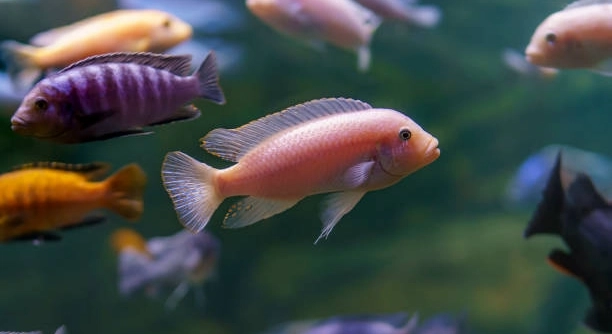
Have you ever noticed your cichlid swimming sluggishly or hiding more than usual? Is your aquarium feeling warmer than usual, making you worry about your fish’s comfort? These signs might mean your cichlid tank is too hot.
Excessive heat in a cichlid tank can cause stress, reduce oxygen levels, and lead to health problems such as lethargy and weakened immune response. Maintaining a stable temperature is essential for the well-being of your fish.
Knowing how to spot the warning signs will help you protect your cichlids and keep their environment healthy and comfortable.
Signs Your Cichlid Tank Is Too Hot
When your cichlids seem less active or spend most of their time near the surface, it could be due to high water temperatures. Hot water holds less oxygen, making it hard for fish to breathe. You might also notice faded colors or increased aggression, which are stress signs caused by heat. Another common indicator is rapid gill movement, showing your fish are struggling to get enough oxygen. If you see algae growing faster than usual, it’s often a sign the water is warmer than it should be. These changes can happen quickly, so it’s important to watch for them regularly. Keeping an eye on your fish’s behavior and the tank conditions can help you act before things get worse.
Heat affects fish health in several ways, including lowered immunity and increased disease risk.
Monitoring water temperature and observing fish behavior will help keep your cichlids safe and healthy.
How to Measure Tank Temperature Accurately
Using a reliable aquarium thermometer is the best way to know your tank’s temperature. Digital or stick-on thermometers give you constant readings without disturbing your fish. Place the thermometer in a spot with good water flow to get an accurate measure. Check it daily, especially during warm seasons or if your home heats up. Avoid relying on room temperature alone since tank water can be much warmer or cooler. Consistency is key; sudden temperature changes are stressful for cichlids. You can also use multiple thermometers in larger tanks to monitor different areas. Proper temperature tracking helps you catch problems early and maintain a steady environment for your fish.
Keeping water temperature between 75 and 82 degrees Fahrenheit is ideal for most cichlids.
Effects of High Temperature on Cichlids
High temperatures increase fish metabolism, causing them to use more oxygen than the water can provide. This leads to stress and weakened immune systems, making cichlids more prone to illness. Prolonged exposure to heat can also cause organ damage and reduce their lifespan.
When water gets too warm, cichlids often become more aggressive and territorial. This behavior can lead to fights and injuries within the tank, disturbing the peaceful balance you want. Additionally, heat speeds up the growth of harmful bacteria and parasites, which thrive in warm conditions and can cause infections.
Increased temperature also affects breeding. Cichlids may stop spawning or produce fewer healthy offspring if the water is too hot. Maintaining a stable, appropriate temperature helps keep your fish active, healthy, and less aggressive.
How to Lower Tank Temperature Safely
Lowering tank temperature should be done gradually to avoid stressing the fish. You can start by moving the aquarium away from direct sunlight or heat sources. Using a fan to blow across the water surface helps cool the tank by increasing evaporation. Avoid sudden drops in temperature, which can shock your cichlids and cause health problems.
Investing in an aquarium chiller is a more precise way to control temperature in warmer climates. These devices keep the water cool without fluctuations, ensuring a stable environment. Regular water changes with cooler, dechlorinated water can also help reduce tank temperature safely. Monitoring temperature daily while making adjustments is important to keep your cichlids comfortable and healthy.
Ideal Temperature Range for Cichlid Tanks
Most cichlids thrive between 75 and 82 degrees Fahrenheit. Staying within this range helps them stay active and healthy. Temperatures above or below this can cause stress and illness.
Consistent temperature control prevents sudden changes that harm your fish. Stability is key for their well-being and reduces aggressive behavior.
Tools to Monitor and Control Temperature
Reliable thermometers, like digital or glass types, provide accurate readings. Aquarium heaters with thermostats help maintain steady warmth. In warmer areas, aquarium chillers prevent overheating. Using timers and automated systems can make temperature control easier and more consistent.
Importance of Regular Tank Maintenance
Regular water changes remove excess heat and waste that build up over time. Cleaning filters ensures proper water flow, helping keep temperature stable. These small tasks protect your fish and keep the tank environment balanced.
FAQ
How do I know if my cichlid tank is too hot?
Signs include your fish swimming near the surface, gasping for air, or hiding more than usual. You might notice faded colors or unusual aggression. Rapid gill movement and faster algae growth are also indicators. Checking the water temperature with a reliable thermometer confirms if it’s too warm.
What is the best temperature range for cichlids?
Most cichlids do best between 75 and 82 degrees Fahrenheit. Keeping the water stable within this range supports their health, activity, and reduces stress. Temperatures outside this range can cause illness or aggressive behavior.
Can high water temperature kill cichlids?
Yes, prolonged exposure to high temperatures can be fatal. Heat reduces oxygen levels and stresses the fish’s body, weakening their immune system. Over time, this can lead to disease and even death if not addressed.
How quickly should I cool down an overheated tank?
Temperature changes should happen slowly. Sudden drops can shock your fish and cause more harm. Try to reduce temperature by about 1 to 2 degrees per hour, using methods like fans, water changes, or aquarium chillers.
Are digital or glass thermometers better for tanks?
Both can work well. Digital thermometers offer easy-to-read displays and sometimes alerts, while glass thermometers are simple and reliable. Choose one that fits your tank size and personal preference, but always check accuracy regularly.
What can cause sudden temperature spikes in a tank?
Common causes include placing the tank near windows with direct sunlight, heaters malfunctioning, or room temperature changes. Electrical issues with heating equipment can also cause unexpected rises. Monitoring the environment helps prevent this.
How often should I check my tank temperature?
Daily checks are best, especially during hot seasons or if your home heats up. Consistent monitoring helps catch temperature changes early and protects your fish from stress or illness.
Will lowering the temperature harm my cichlids?
Lowering temperature too quickly or too much can shock your fish, causing stress or illness. Gradual cooling, ideally by 1 to 2 degrees per hour, keeps your cichlids safe while bringing the tank back to a healthy temperature.
Can I use ice to cool my aquarium?
Using ice directly is risky because it can cause sudden temperature swings and shock the fish. Instead, use cooler water for partial water changes or a fan to promote evaporation and gradual cooling.
How does high temperature affect cichlid breeding?
Too warm water can prevent spawning or cause poor egg quality. Maintaining the ideal temperature range encourages successful breeding and healthier offspring.
What maintenance helps control tank temperature?
Regular water changes help remove excess heat and waste. Cleaning filters ensures proper water flow, which stabilizes temperature. Keeping your equipment in good condition prevents overheating.
Are there signs of heat stress other than behavior changes?
Yes, fish might lose color, develop fungus or infections, and become lethargic. These symptoms often come after prolonged exposure to high temperatures and low oxygen levels.
Is it safe to turn off the heater if the tank is too warm?
Turning off the heater temporarily can help if the tank is too warm. Just make sure the room temperature won’t drop too low and cause cold stress. Use this method carefully and monitor temperatures closely.
What is the role of aeration in hot tanks?
Aeration increases oxygen levels by circulating water and creating surface movement. This helps compensate for oxygen loss in warm water, reducing stress on your cichlids.
Can plants help regulate tank temperature?
Plants provide shade and help cool the water through transpiration. They also improve water quality by absorbing nitrates, making the tank environment healthier overall.
How do I prevent temperature fluctuations during summer?
Keep the tank out of direct sunlight and away from heat sources. Use fans, aquarium chillers, or air conditioning when necessary. Regular monitoring and maintenance also prevent sudden temperature changes.
What should I do if I can’t control the tank temperature?
If temperature control is difficult, consider upgrading your equipment. Aquarium chillers or thermostats with alarms can help maintain stability. Consulting an aquarium specialist may provide more tailored solutions for your setup.
Keeping the temperature of your cichlid tank just right is very important for the health and happiness of your fish. When the water gets too hot, it can cause a lot of problems like stress, illness, and even death. Cichlids are sensitive to temperature changes, so it’s important to keep their environment stable and within the ideal range of 75 to 82 degrees Fahrenheit. By paying attention to how your fish behave and regularly checking the water temperature, you can spot problems early before they get worse. Taking small steps to control the temperature can make a big difference in how well your cichlids thrive.
Using the right tools to monitor and manage your tank’s temperature helps keep things steady. Thermometers, heaters with thermostats, and chillers are all useful equipment to maintain the best conditions for your fish. If the water gets too warm, simple actions like moving the tank away from sunlight or using a fan can help cool things down gradually. It’s important to avoid sudden changes in temperature because those can shock your fish and cause more harm. Instead, take time to adjust the water temperature slowly and carefully to protect your cichlids from stress.
Regular maintenance of your aquarium also plays a key role in keeping the temperature stable. Water changes remove heat and waste, while cleaning filters ensures proper water flow, which helps balance the environment. Healthy plants in the tank can also provide some shade and cooling effects. By combining proper equipment with good daily care, you create a safe space for your cichlids to live and grow. Keeping your tank’s temperature under control is not only about avoiding problems but also about giving your fish the best chance to be active and healthy every day.

Hello,
If you enjoy the content that we create, please consider saying a "Thank You!" by leaving a tip.
Every little bit helps us continue crafting quality advice that supports the health, happiness, and well-being of pets around the world, for pets of all shapes, sizes, and species.
We really appreciate the kindness and support that you show us!