
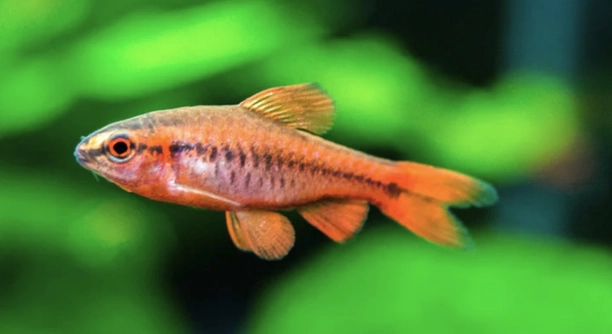
Have you ever spent time watching your cherry barb swim around and wondered if it’s just being active—or actually trying to play?
Cherry barbs display playful behavior through quick darting movements, chasing tankmates gently, and interacting with objects or plants in the tank. These actions typically indicate stimulation, comfort, and a healthy environment that supports natural, engaging behavior.
Learning these subtle signs can help you create a better, more interactive space for your fish, keeping them both entertained and emotionally healthy.
Understanding Cherry Barb Behavior
Cherry barbs are peaceful, active fish that thrive in well-maintained tanks. Their behavior often reflects their mood, health, and surroundings. When they feel secure, they swim in open areas, explore plants, and show more color. Playful cherry barbs tend to dart around energetically, chase each other in short bursts, and interact with decorations or moving bubbles. These signs usually mean your fish is feeling content and stimulated. If your cherry barb is hiding often or staying still, it could mean stress or discomfort. Keep in mind that every fish is different, and observing them over time helps you understand what is normal for your cherry barb. You don’t need fancy toys—simple things like live plants, mild water flow, and hiding spots encourage natural interaction. Balanced tankmates and a consistent routine also help create a playful and calm environment. This all contributes to a more active and healthy cherry barb.
Cherry barbs sometimes mimic playful actions even during feeding, so it’s helpful to watch behavior patterns outside of meal times.
Watching how your cherry barb behaves around objects or other fish can give you a lot of insight. If it follows others around gently or swims through plants repeatedly, it is probably enjoying itself.
Creating a Stimulating Tank
A tank that supports playful behavior starts with a proper setup. A planted aquarium with real or silk plants gives your cherry barb places to explore and feel safe. Smooth decorations, small caves, and a gentle filter current provide areas to interact with. These elements simulate the fish’s natural environment and keep them engaged. Avoid overcrowding the tank or pairing cherry barbs with aggressive fish, as this can make them hide more. Keeping them in small groups of five or more helps them feel secure and behave more naturally. Even simple changes like moving a decoration or adding a new plant can bring out playful reactions. Temperature and water quality also matter. Test the water regularly and keep it within the ideal range to avoid stress. A stable, clean environment lets your cherry barb focus on swimming freely, chasing, and exploring, rather than reacting to discomfort or environmental issues.
Once your cherry barb starts to feel comfortable, you’ll notice more lively activity and interaction.
Adding variety over time helps maintain stimulation. Something as basic as changing the layout slightly or rotating tank decorations can spark new curiosity.
Signs Your Cherry Barb Is Bored
Cherry barbs that stop swimming actively or stay in one corner may be showing signs of boredom. Repetitive swimming patterns or lack of interest in food can also be indicators. These changes often appear gradually, so it helps to notice them early.
When a cherry barb feels unstimulated, it may isolate itself or become less social with other tankmates. This isn’t always a sign of illness, especially if water conditions are stable and feeding remains consistent. It might just mean the tank setup is too plain or hasn’t changed in a while. Adding new plants, rearranging decorations, or slightly changing the lighting can make a difference. Fish don’t need constant excitement, but some variation from time to time helps keep them alert and engaged. Watching their response to small changes will let you know what works best. Boredom can be subtle, so stay observant but don’t overdo changes.
Some cherry barbs respond to visual stimulation like movement outside the tank or shadows passing by. Others react more to tank changes or interactions with tankmates. If your cherry barb perks up after these moments, it’s likely craving more activity. Offering occasional stimulation without overwhelming them creates a better balance inside the tank.
Encouraging Interaction and Play
One way to encourage play is by introducing safe, interactive objects. Smooth marbles, floating plants, or even gentle bubble streams can provide stimulation. Make sure anything you add doesn’t have sharp edges or change the water quality. Your cherry barb may start weaving between objects or gently chasing bubbles.
Changing the layout occasionally also gives your cherry barb something new to explore. Move a decoration, shift a plant, or adjust the current slightly. These simple adjustments can refresh their interest without stressing them. If you keep multiple cherry barbs, their social behavior often encourages playful actions naturally. They might chase each other lightly or take turns swimming through openings in decorations. Keep an eye on interactions to ensure they stay gentle. A healthy cherry barb will show bright colors, smooth movements, and a curious attitude toward its environment. All these signs mean it’s not only active—but genuinely enjoying its space.
Playful vs. Aggressive Behavior
Playful cherry barbs chase each other gently without causing damage or stress. They may dart quickly, swim in circles, or take turns leading. This behavior looks light, often ending in both fish calmly swimming away.
Aggressive behavior looks sharper. It includes nipping, blocking access to certain areas, or constant chasing. This usually causes one fish to hide.
Best Times to Observe Behavior
Cherry barbs are most active during the day, especially after feeding or during light changes. Early morning and late afternoon tend to be the best times to observe them. Keep the tank in a spot with regular light patterns and avoid frequent disturbances. This helps them settle into a routine where you can notice patterns more clearly. Watching consistently at the same times each day allows you to track changes and understand what playful behavior looks like for your specific cherry barb. It also helps spot early signs of stress, boredom, or illness. A calm, consistent environment leads to clearer behavior cues.
When to Make Changes
If your cherry barb becomes less active for more than a few days or shows hiding behavior, it may be time to adjust the tank setup.
FAQ
How can I tell if my cherry barb is playing or stressed?
If your cherry barb is playing, it will move with energy, darting around, exploring plants, or swimming with other fish. Playful behavior is often smooth and quick, with the barb returning to its normal position after brief bursts of movement. Stressed fish, however, tend to hide more, swim erratically, or stay in one spot for long periods. They might also have less color, looking duller than usual. It’s important to observe patterns over time. If you notice changes in behavior, it may signal stress. In these cases, check water quality, temperature, and tankmates to ensure there are no stressors.
Can I encourage my cherry barb to play more?
Yes, creating a more dynamic environment can encourage playful behavior. Adding live plants, decorations, or a gentle water current helps stimulate your cherry barb. Fish enjoy spaces where they can hide, explore, and chase each other. Keeping them in a small group also promotes social interaction, which may lead to more playful behavior. Ensure the tank has enough space for them to swim freely without overcrowding. Changing the tank layout occasionally can introduce new stimulation and prevent boredom.
What should I do if my cherry barb is not swimming around?
If your cherry barb isn’t swimming around, check the water quality. Poor water conditions can cause fish to hide or become lethargic. Test the water for ammonia, nitrites, and pH levels to ensure they’re within the recommended range. Make sure the temperature is consistent, as fluctuations can stress the fish. If the water is fine, look for any other changes—such as new tankmates, lighting, or sudden loud noises—that might have affected your barb. Sometimes, a little quiet time and the opportunity to adjust to a new environment is all they need.
How often should I feed my cherry barb to keep it active?
Feeding your cherry barb once or twice a day is typically sufficient. Overfeeding can lead to health issues, so it’s important to provide only what they can eat in a few minutes. A balanced diet of high-quality flakes or pellets, supplemented with occasional live or frozen food, helps maintain energy levels. A good feeding schedule, paired with clean, stable water conditions, encourages your cherry barb to stay active. If your cherry barb becomes less active after eating, it may be a sign of overfeeding or poor food choices.
Do cherry barbs prefer swimming alone or in groups?
Cherry barbs are social fish and prefer to swim in groups. They feel safer and more comfortable with at least a few other barbs around. A small school of 5-6 cherry barbs will help encourage natural behaviors, including playful interactions. When kept alone, cherry barbs may become stressed, which can lead to inactivity or hiding. A group setting creates a more stimulating environment, encouraging them to swim around, chase, and explore. In a group, they also tend to display more vibrant colors, which is a sign of a healthy and comfortable fish.
Can tankmates affect my cherry barb’s behavior?
Yes, tankmates can greatly influence your cherry barb’s behavior. Peaceful fish that don’t compete for space or food tend to create a more relaxed environment. On the other hand, aggressive or overly active fish may stress your cherry barb, leading to less playful behavior and even hiding. Avoid keeping cherry barbs with fin-nippers or overly dominant fish. Fish like small tetras, rasboras, or other barbs are generally compatible. When choosing tankmates, consider both the temperament and the space requirements to ensure your cherry barb feels comfortable and encouraged to interact.
What should I do if my cherry barb is chasing other fish too aggressively?
If your cherry barb is being too aggressive, it may be a sign of stress or overcrowding. Check the tank’s space and ensure it’s not too small for the number of fish. Adding more hiding spots, such as plants or decorations, can reduce territorial behavior. You may also consider adding more cherry barbs to the tank to help balance aggression. If aggression persists, evaluate the water quality and temperature—sometimes environmental factors can influence aggression levels. Lastly, ensure your fish are not fighting over food, as this can also lead to more aggressive interactions.
Is it normal for cherry barbs to hide sometimes?
Yes, occasional hiding is normal, especially during the night or when they feel insecure. Cherry barbs may also hide when they are adjusting to new tankmates, water changes, or changes in the environment. However, if your cherry barb hides for extended periods during the day, it could indicate stress, illness, or discomfort. If hiding persists, check the water quality, temperature, and tank conditions. If everything seems fine, observe whether there are any aggressive or dominant fish in the tank that may be causing the hiding behavior.
How can I tell if my cherry barb is sick?
If your cherry barb is sick, you may notice physical signs like faded colors, unusual swimming patterns, or damaged fins. In some cases, the fish may have labored breathing or stay near the bottom of the tank. If your cherry barb is eating less, appears lethargic, or has difficulty swimming, these could be signs of illness. Regularly check the water quality and temperature to ensure they remain optimal. If your fish doesn’t improve, consult with a vet or an experienced aquarist for advice on diagnosis and treatment. Regular observation and quick action can help prevent diseases from worsening.
Final Thoughts
Cherry barbs are generally peaceful and playful fish, but understanding their behavior is key to ensuring they stay active and healthy. They thrive in environments where they feel secure and stimulated. By observing their movements, it’s easy to tell when they’re enjoying themselves, whether it’s by darting through plants or interacting with tankmates. However, stress or boredom can quickly lead to less playful behavior, so it’s essential to monitor their activity and make adjustments to their environment when needed. Regular changes, like rearranging decorations or adding plants, can keep them engaged and happy.
Maintaining a balanced tank is also crucial for encouraging playful behavior in cherry barbs. Good water quality, proper temperature, and stable conditions help reduce stress and encourage natural interactions. A well-maintained tank with enough space, hiding spots, and smooth decorations promotes exploration and light social interactions. Cherry barbs enjoy the company of their own kind, so keeping them in small groups helps create a more comfortable environment. Pairing them with peaceful tankmates can also encourage them to stay active. Overcrowding, aggressive tankmates, or poor water conditions can cause stress, which may make them withdraw or stop playing altogether.
Ultimately, understanding your cherry barb’s unique behavior patterns allows you to create the best possible environment for it. Whether you’re introducing new objects, rearranging the tank, or adjusting feeding schedules, a little attention goes a long way in ensuring your fish are happy and healthy. By providing them with a stimulating environment, you can encourage them to show their natural playful side. Observing and responding to their needs keeps them active, while also building a better, more interactive experience for you as the aquarium keeper. A well-maintained, engaging tank is the key to a thriving cherry barb that enjoys playing and exploring.

Hello,
If you enjoy the content that we create, please consider saying a "Thank You!" by leaving a tip.
Every little bit helps us continue crafting quality advice that supports the health, happiness, and well-being of pets around the world, for pets of all shapes, sizes, and species.
We really appreciate the kindness and support that you show us!