
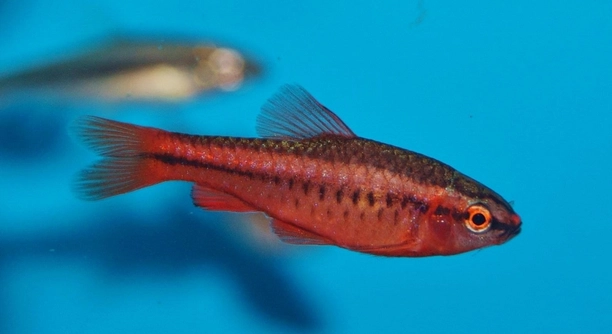
Cherry Barbs are popular aquarium fish, known for their colorful appearance and playful nature. If you have a group of them, you may wonder how to tell if your Cherry Barb is male or female.
Male Cherry Barbs are generally smaller and more vibrant in color, with a bright red or orange hue. Females are larger, less colorful, and usually more rounded in shape, especially when carrying eggs.
Knowing the difference between male and female Cherry Barbs can help you care for them better, especially when it comes to breeding and tank dynamics.
Physical Differences Between Male and Female Cherry Barbs
When it comes to Cherry Barbs, the physical differences between males and females are quite noticeable. Male Cherry Barbs are smaller, with vibrant red or orange colors that stand out in the tank. They also tend to have slender, streamlined bodies, which make them appear more agile and active. The coloration of the males intensifies, especially during the breeding season, helping them attract the attention of females. In contrast, females are larger, rounder, and generally less colorful, with a more subdued brown or grayish hue. This difference is especially visible when the females are carrying eggs, as their bellies appear noticeably rounder.
The size difference is one of the easiest ways to differentiate between them. Males are typically around 1.5 to 2 inches long, while females can grow up to 2.5 inches. When you observe the two side by side, the males’ smaller, slimmer bodies make them stand out compared to the bulkier females.
Additionally, female Cherry Barbs are often less active than males. Males tend to swim quickly and dart around, especially when they’re trying to attract attention. If you’re keeping a group of Cherry Barbs, you’ll notice the males actively display their bright colors in an effort to stand out.
Behavior and Activity Levels
Male Cherry Barbs are often more energetic, swimming around the tank and displaying their vibrant colors. The females are less active and spend more time resting or hiding, especially when they are carrying eggs.
Males also tend to be more territorial, constantly swimming in front of the females to show off their bright colors. During breeding, the males will perform special displays, such as swimming in a circular pattern around the females, trying to attract their attention. This active behavior is one of the key indicators when differentiating between males and females.
Understanding these differences can help you better care for your Cherry Barbs. If you’re trying to breed them, knowing how to identify the males and females will make the process smoother. If you’re simply observing your fish, the males’ displays of bright colors and energetic behavior will be your most obvious clue.
Coloration and Brightness
Male Cherry Barbs have vivid red or orange hues, especially around their fins and bodies. These colors become even more intense when they are trying to attract a mate. Females, on the other hand, are usually a duller brown or gray, with less noticeable coloring.
The coloration difference is most apparent during the breeding season. Males will display bright colors to gain attention, while females tend to remain more muted. The male’s vivid color is an indicator of health and vitality, which is attractive to females. This contrast makes it easy to identify the males in a tank, especially when breeding conditions are present.
The intensity of a male’s colors can also vary depending on its environment. Well-lit tanks or tanks with good water conditions help bring out their brightest colors. On the other hand, females will maintain their more muted tones, even during breeding times. If you’re observing them closely, the color difference can be one of the easiest ways to spot the males.
Size Comparison
Females are typically larger than males, which is evident when you observe them side by side. While males tend to stay around 1.5 to 2 inches, females can grow up to 2.5 inches in length. This size difference helps distinguish between the two.
In addition to the size difference, the female’s body is more rounded, particularly when she is carrying eggs. Their bulkier shape is a clear sign that they are mature and ready to breed. This size advantage allows the female to carry more eggs, ensuring that reproduction can take place successfully.
Even when not carrying eggs, the size difference remains visible. Males are generally more slender, helping them move quickly through the water. This size contrast is another reliable method for telling them apart, especially if you are looking for more obvious indicators.
Behavior During Breeding
Males are much more active during the breeding process. They will often swim around the females, displaying their bright colors and performing courtship rituals. This energetic behavior is a sign that the males are trying to attract a mate.
Females, on the other hand, tend to be more passive during breeding. They usually remain in one spot while the male performs his display. After a successful courtship, the female will release her eggs, which the male will fertilize. The male’s actions are the most noticeable during this time, making it easy to spot him.
Male vs Female Tank Dynamics
Males are often seen chasing one another, particularly during mating seasons. Their active behavior helps them establish dominance and attract the females. Females, being less energetic, tend to avoid much interaction, leading to a quieter, less competitive presence in the tank.
Role of Size in Behavior
The larger size of the females also affects their behavior. They are less likely to engage in the more aggressive displays that the males often perform. Instead, they focus on swimming and feeding, with less emphasis on competing for attention.
FAQ
How can I tell if my Cherry Barb is male or female?
The easiest way to tell if your Cherry Barb is male or female is by looking at their size and coloration. Males are smaller, usually around 1.5 to 2 inches, and have bright red or orange colors. They are more slender and active, especially during breeding. Females, in contrast, are larger, with a more rounded body and duller colors, typically brown or gray. Females also tend to be less active than males.
Do male Cherry Barbs always display bright colors?
No, male Cherry Barbs do not display their brightest colors all the time. They are most vibrant during the breeding season to attract females. When not in breeding conditions, their colors can be less intense. However, they still maintain a noticeable reddish or orange hue compared to females.
Can Cherry Barbs breed without a male?
No, Cherry Barbs require both a male and a female to breed. The male’s role is to fertilize the eggs once the female releases them. A single-sex group of Cherry Barbs will not be able to reproduce, as the female cannot fertilize her eggs without the male’s involvement.
Are male Cherry Barbs more aggressive than females?
Yes, male Cherry Barbs are often more aggressive, especially during the breeding season. They can display territorial behaviors and chase each other to establish dominance. However, this aggression is typically limited to other males and is part of their natural mating behavior. Females are generally more peaceful and avoid such confrontations.
Do Cherry Barbs prefer to live in groups?
Yes, Cherry Barbs are social fish and prefer living in groups. Keeping a group of Cherry Barbs together, with a ratio of one male to several females, is ideal for their well-being. This setup helps reduce the stress that can come from constant competition or territorial behavior between males.
How can I encourage my Cherry Barbs to breed?
To encourage breeding in Cherry Barbs, you should maintain optimal water conditions, including a temperature between 74-79°F (23-26°C) and a pH between 6.0 and 7.0. Providing hiding spots and plants for the females to feel secure can also help. Males will begin to show off their bright colors and chase the females once they are ready to breed.
How many male Cherry Barbs should I keep with females?
It’s best to keep one male for every two or three females in a tank. This ratio reduces stress on the females and gives the males the chance to show off their colors without overly competing with each other. Too many males can lead to aggression and stress within the tank.
What is the lifespan of a Cherry Barb?
Cherry Barbs typically live for 3 to 5 years, depending on their environment and care. A well-maintained tank with good water quality, proper nutrition, and minimal stress can help them reach the higher end of this lifespan. Regular water changes and monitoring of tank conditions are key to keeping them healthy.
Can Cherry Barbs live with other fish?
Yes, Cherry Barbs are peaceful and can live with other non-aggressive fish. They do best in community tanks with other small, peaceful species. Avoid keeping them with overly aggressive fish or very small fish that might be viewed as prey. As long as the tank mates are calm, Cherry Barbs can coexist well.
What do Cherry Barbs eat?
Cherry Barbs are omnivorous and will eat a variety of foods, including flakes, pellets, and live or frozen food like brine shrimp or daphnia. A balanced diet that includes both plant matter and protein will keep them healthy. Ensure you are feeding them small portions multiple times a day rather than large meals.
Final Thoughts
Identifying whether your Cherry Barb is male or female can be straightforward once you understand the key differences between the two. The males are smaller, more colorful, and active, especially during breeding seasons. Their bright red or orange colors make them easy to spot, while females are generally larger, rounder, and have a more muted coloration. By observing these physical and behavioral differences, you can easily tell the males from the females in your tank.
Understanding these differences is important for the overall care of your Cherry Barbs. Whether you’re looking to breed them or simply enjoy their presence in your tank, knowing the gender of each fish can help you create a healthier environment for them. Males often display more energy and vibrant colors, while females focus on the quieter role of carrying eggs. This balance makes Cherry Barbs an interesting species to keep, and understanding their behavior can improve your experience as an aquarium keeper.
In the end, Cherry Barbs are relatively easy to care for as long as you keep a few key points in mind. Maintaining a peaceful tank with a proper ratio of males to females, providing good water conditions, and offering a varied diet will ensure their health and happiness. By paying attention to the subtle signs of gender differences, you’ll be better equipped to care for your Cherry Barbs and enjoy their beauty and playful nature.

Hello,
If you enjoy the content that we create, please consider saying a "Thank You!" by leaving a tip.
Every little bit helps us continue crafting quality advice that supports the health, happiness, and well-being of pets around the world, for pets of all shapes, sizes, and species.
We really appreciate the kindness and support that you show us!