
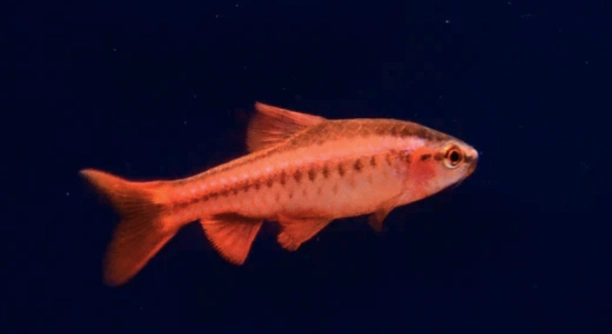
Cherry barbs are popular aquarium fish, known for their vibrant colors and active behavior. Over time, though, you may notice changes in their appearance or behavior that signal they’re getting older. Recognizing these signs can help you care for them better.
As cherry barbs age, their colors may become less vibrant, and they may move more slowly. Their fins might show signs of wear, and they may exhibit less interest in food or socializing. This is natural as they approach the end of their lifespan.
Understanding the subtle signs of aging in your cherry barb can help you provide the best environment for them in their later years.
Signs of an Aging Cherry Barb
As cherry barbs grow older, several physical and behavioral changes occur. Their colors may fade, with younger fish showcasing more vibrant hues. You might notice their movements becoming slower, and they may spend more time resting at the bottom of the tank. Another sign is their reduced interest in food, especially if they used to be very active feeders. It’s also not uncommon for older cherry barbs to show signs of fin or tail damage, as these delicate fins may tear more easily with age. Monitoring these changes can help you assess their health.
These changes are a normal part of the aging process, but it’s important to keep an eye on their overall well-being. Aging affects each fish differently, so it’s essential to stay attentive to any changes in behavior or appearance.
While it’s natural for cherry barbs to age and show these signs, there are things you can do to help ensure their comfort. Make sure they have a stress-free environment with clean, stable water conditions. If they are eating less, try offering a variety of foods to encourage feeding. Older cherry barbs may also benefit from slightly warmer water temperatures, but be sure not to overdo it, as extreme temperatures can cause stress. Avoid any sudden changes in the tank that could unsettle them. The key is keeping their surroundings calm and making any necessary adjustments based on their needs.
Lifespan of a Cherry Barb
The average lifespan of a cherry barb is around 3 to 5 years in a well-maintained aquarium. However, this can vary depending on water quality, diet, and environmental conditions. Proper care can sometimes extend their life, though most fish will naturally show signs of aging as they reach the end of their lifespan.
Aging is inevitable, but maintaining healthy water conditions, feeding them nutritious food, and keeping them in a safe environment can help your cherry barb live out its full lifespan. As they grow older, remember that they may not be as active as they once were. A peaceful, stress-free tank can go a long way in making their final years comfortable. It’s also important to be mindful of tank mates. Aggressive fish may harm an older, weaker cherry barb. Keep in mind that older cherry barbs may need a quieter and more relaxed environment.
It’s worth noting that even with the best care, cherry barbs will eventually age and show signs of slowing down. While you can’t stop the process, taking steps to ensure their comfort during their later years can greatly improve their quality of life.
Behavior Changes as Cherry Barbs Age
As cherry barbs age, their behavior becomes less energetic. They may spend more time at the bottom of the tank, showing less interest in swimming or interacting with other fish. Their social nature might also decline, and they may become more solitary or less active during feeding time.
This decrease in activity is not a sign of illness but rather a natural part of aging. Older cherry barbs tend to become less competitive when it comes to food and may even leave food uneaten. If they do eat, they may do so more slowly. It’s also possible for them to appear disinterested in schooling with other fish, which is typical as they get older.
While these changes are part of the aging process, you can still improve your older fish’s quality of life by ensuring that their needs are met. Consider offering smaller meals more frequently and adjusting the water temperature slightly to make them more comfortable. A less active cherry barb may need extra attention to their tank environment, as they won’t be as resilient to changes as younger fish.
Changes in Physical Appearance
Over time, an aging cherry barb will likely lose its vibrant coloration. This change may not be immediately noticeable, but you’ll start to see their bright red or orange hues fade to more subdued tones. The fading may also be more apparent in male cherry barbs, who usually show the brightest colors.
As their colors dull, other physical signs of aging might also appear. Their fins may develop minor tears or fraying due to wear and tear over the years. The barb’s eyes may also become cloudy, which is a common sign of aging in fish. While these changes are normal, they can still be concerning, especially if your fish seems to be struggling with mobility or vision.
Despite these changes, it’s important to continue providing a healthy and supportive environment for your cherry barb. You can improve their quality of life by keeping the tank clean, maintaining stable water conditions, and reducing stressors. These small adjustments can help prevent any additional physical decline and support their comfort during their later years.
Feeding Habits of Aging Cherry Barbs
Older cherry barbs may lose interest in food, or they may eat less frequently. Their metabolism slows down, and they often become pickier about what they eat. It’s important to offer a variety of foods to entice them to eat, but don’t overfeed.
Providing smaller, more frequent meals can help maintain their health without overwhelming them. You can also try offering softer foods or ones that are easier to digest. Monitor their eating habits closely, as any significant decrease in food intake could indicate a health issue, not just aging.
Tank Environment for Older Cherry Barbs
As cherry barbs age, they benefit from a stable and calm environment. Changes in water quality, temperature, or tank mates can stress them, so maintaining consistency is key. Make sure their tank is clean, with minimal disruptions that could affect their comfort.
A peaceful environment is especially important for aging cherry barbs. It’s recommended to avoid adding new or aggressive fish that may cause stress. Keep the lighting low to help them feel secure, and be mindful of any physical changes they may have that affect their mobility or vision.
Health Concerns in Aging Cherry Barbs
As cherry barbs age, they can become more prone to certain health issues, including fin rot or eye problems. Their immune systems weaken, making them more vulnerable to infections. Regular water changes, a stable environment, and proper nutrition can help prevent these issues from becoming severe.
FAQ
What is the average lifespan of a cherry barb?
The average lifespan of a cherry barb in a well-maintained tank is about 3 to 5 years. However, some fish may live slightly longer or shorter, depending on factors such as water quality, diet, and overall care. Regular maintenance, such as keeping the tank clean and providing a balanced diet, can help extend their life. As with any fish, individual cherry barbs may show signs of aging at different rates, so it’s essential to pay attention to their needs as they get older.
How can I tell if my cherry barb is sick?
Sick cherry barbs may show signs like faded colors, lack of appetite, rapid breathing, or abnormal swimming behavior. If your fish is constantly staying at the bottom of the tank, has clamped fins, or seems lethargic, it might be a sign of illness. Additionally, external symptoms such as torn fins, discoloration, or swelling around the eyes can also indicate a health issue. Early detection is key, so if you notice any of these signs, it’s best to isolate the sick fish and treat them in a quarantine tank to prevent any spread of illness.
Can I keep aging cherry barbs with other fish?
Aging cherry barbs can usually coexist peacefully with other species, but you need to be cautious of aggressive or overly active tank mates. As cherry barbs grow older, they become less competitive and may not do well with fish that are too energetic or aggressive. It’s ideal to house them with calm, non-territorial species. Always monitor their behavior, as their tolerance for other fish may decrease over time.
Do cherry barbs need special care as they age?
Yes, older cherry barbs may need extra attention to ensure their comfort. You should monitor their eating habits, as they may become pickier and eat less frequently. Their environment should remain calm, with stable water conditions and minimal disturbances. They may also benefit from a slight increase in water temperature and softer, easier-to-digest foods. Regular water changes are crucial to maintaining a healthy environment, as older fish are more susceptible to water quality issues.
Is it normal for cherry barbs to lose color as they age?
Yes, it’s completely normal for cherry barbs to lose some of their color as they get older. Their bright hues tend to fade, especially in males who are known for their vibrant red coloration. This fading is usually a sign of aging and is not necessarily a cause for concern unless accompanied by other symptoms, such as lethargy or loss of appetite. If you’re worried, check water quality and ensure they are not stressed.
How do I ensure my cherry barb stays healthy in old age?
To help your cherry barb stay healthy as it ages, focus on maintaining a clean, stable environment. Ensure that the water parameters (temperature, pH, ammonia levels, etc.) are within the optimal range for cherry barbs. You should also provide a well-balanced diet, including varied foods like high-quality flakes, pellets, and occasional live or frozen food. Regular water changes and filtration maintenance are essential for keeping the tank clean and reducing the risk of diseases. Keep stress levels low by avoiding drastic changes to the environment.
Do cherry barbs get more aggressive as they age?
Generally, cherry barbs become less aggressive as they age. They are peaceful fish by nature, and as they grow older, they tend to become less active and more reclusive. If they were once dominant or active in the tank, you may notice them becoming less involved in social interactions or avoiding conflicts. However, if aggression increases suddenly in an older fish, it could indicate stress, poor water quality, or health issues.
Can I breed my aging cherry barbs?
Breeding aging cherry barbs can be more challenging than breeding younger fish, as their reproductive capabilities tend to decline with age. However, if they are healthy and their conditions are optimal, they may still be able to breed. It’s important to provide the right environment for breeding, including proper water conditions and a peaceful setting free from aggressive tank mates. If you want to try breeding, consider isolating the pair in a separate breeding tank to give them the best chance of success.
What should I do if my cherry barb stops eating?
If your cherry barb stops eating, first check the water quality. Poor water conditions can lead to a loss of appetite. Also, ensure that you are offering a variety of food, as aging cherry barbs can become picky. You can try softer, more easily digestible food or introduce live or frozen food to stimulate their appetite. If they still refuse food, it could be a sign of illness, and you may need to quarantine the fish to address any potential health issues.
How often should I change the water for an older cherry barb?
For an older cherry barb, maintaining clean water is more important than ever. Regular water changes are essential to ensure a healthy environment. Typically, you should change 20-30% of the water once a week. If you have a high filtration system or a densely stocked tank, you may need to do water changes more often. Monitoring water parameters closely will help prevent any issues related to poor water quality.
Do cherry barbs need to be kept in groups?
While cherry barbs are social fish and prefer to be kept in groups, they can survive alone or in small groups. However, when they age, they may become less social and more solitary, so it’s essential to observe their behavior. If you have a single older cherry barb, ensure it’s not stressed by isolation and is still eating and active. Having at least one or two other fish around is usually beneficial, but the group should be calm to avoid causing any stress.
Can cherry barbs live with other types of barbs?
Yes, cherry barbs can live with other types of barbs, but care should be taken to avoid species that are overly aggressive or territorial. Other peaceful barbs, such as the gold barb or the rosy barb, can make good companions. Ensure that all species in the tank are compatible and have enough space to avoid territorial disputes. Keep in mind that as cherry barbs age, their tolerance for other fish may decrease, and they may become more reclusive.
Final Thoughts
As cherry barbs age, it’s important to recognize the signs and adjust their care accordingly. These fish, like all living creatures, go through natural changes as they grow older. Their once vibrant colors may begin to fade, and they might become less active. While these changes can be a sign of aging, they do not necessarily indicate illness. With proper care, cherry barbs can continue to live a comfortable life even in their later years. The key is to monitor them closely and adjust their environment to suit their changing needs.
Keeping an older cherry barb in a stress-free environment is crucial. Stability in water quality, temperature, and the overall tank setup can make a significant difference in their quality of life. Aging fish may become more sensitive to changes, so keeping things consistent helps reduce stress. You should also pay close attention to their diet, as older fish often become less interested in food. Offering a variety of easily digestible options can encourage feeding. Regular, smaller meals can be easier for them to manage than larger, less frequent ones.
Lastly, always keep a watchful eye on their behavior and health. Changes in appetite, activity levels, or appearance might require extra care. Maintaining a clean tank, providing the right water conditions, and ensuring they have plenty of space to move around are simple yet effective ways to help them age gracefully. Even though aging is inevitable, it doesn’t mean that your cherry barb can’t still thrive with the right environment and attention. By making these small adjustments, you’ll help your cherry barb live out its later years comfortably and with dignity.

Hello,
If you enjoy the content that we create, please consider saying a "Thank You!" by leaving a tip.
Every little bit helps us continue crafting quality advice that supports the health, happiness, and well-being of pets around the world, for pets of all shapes, sizes, and species.
We really appreciate the kindness and support that you show us!