
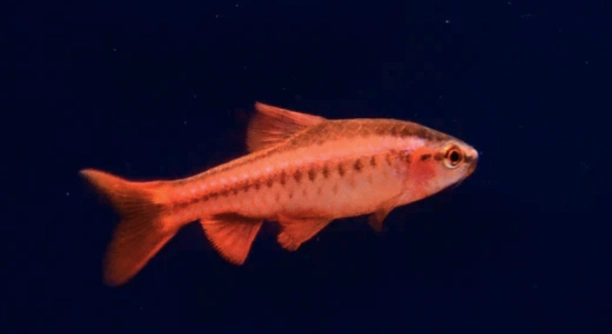
Cherry Barbs are popular freshwater fish known for their vibrant colors and active personalities. However, like any pet, they can experience changes in behavior that may signal distress, including depression. Recognizing these signs is key to maintaining their health.
Depression in Cherry Barbs is often indicated by a lack of activity, reduced appetite, or hiding more than usual. These behaviors can suggest stress, poor water conditions, or an underlying health issue. Monitoring their environment and behavior is essential.
Taking note of these signs and making adjustments can help improve your Cherry Barb’s well-being and prevent further distress.
Common Signs of Depression in Cherry Barbs
Cherry Barbs typically love swimming actively and interacting with their environment, so a sudden shift in behavior can be a strong indicator of depression. If your Cherry Barb is hiding more than usual, moving sluggishly, or spending too much time at the bottom of the tank, it’s important to take notice. Other signs include a decrease in appetite or the refusal to eat altogether, which can lead to weight loss and other health complications. These changes may be subtle, but they are worth observing closely.
These signs often point to stress or poor water quality, which can contribute to an overall decline in health. In addition, Cherry Barbs are highly sensitive to sudden changes in temperature, pH levels, or the presence of aggressive tank mates. Creating a stable environment for them is essential.
If you notice any of these signs, the first step is to check the water parameters. Poor water quality can significantly impact your fish’s mood and overall health. Keeping the water clean and maintaining the right conditions is key to ensuring your Cherry Barb thrives. Regular water changes and using a reliable filtration system can help reduce the stressors that might be contributing to depression.
What Could Be Causing Your Cherry Barb’s Depression?
While environmental stressors are often a significant factor, the presence of other fish can also impact your Cherry Barb’s mood. Some fish, especially more aggressive species, may intimidate or harass your Cherry Barb, which can lead to stress and depression. Keep an eye on how tank mates interact and adjust as needed.
An unbalanced diet can also contribute to behavioral issues. Ensure your Cherry Barb is getting a variety of food, including high-quality pellets and occasional live or frozen foods. Lack of proper nutrition may not only affect physical health but also their mood.
Water Quality and Temperature
Maintaining clean, stable water conditions is crucial for your Cherry Barb’s well-being. Poor water quality can cause stress and lead to depression.
Check the water parameters regularly, focusing on ammonia, nitrate, and nitrite levels. Cherry Barbs thrive in temperatures between 72-80°F, and fluctuations can affect their mood and activity. Regular water changes and the use of a good filtration system are essential in preventing toxic buildups and promoting a healthier environment for your fish. Test your water every week to keep everything balanced.
The ideal pH range for Cherry Barbs is between 6.0 and 8.0. Anything outside of this range can stress your fish, leading to behavioral changes such as hiding or reduced movement. Additionally, maintaining consistent water temperature is essential. Sudden changes can shock your Cherry Barb, causing them to retreat and become less active. By monitoring these elements closely, you can create a stable environment that helps keep your fish happy and healthy.
Tank Mates and Social Interaction
Tank mates play a significant role in your Cherry Barb’s behavior. Aggressive fish can make your Cherry Barb feel unsafe, leading to stress and depression.
Cherry Barbs are generally peaceful but need tank mates that are calm and non-aggressive. If your aquarium houses more aggressive species, like larger or territorial fish, consider rearranging the tank or adding plants and decorations for hiding spots. This gives your Cherry Barb some privacy and helps reduce stress.
Social interaction also matters. Although Cherry Barbs are not schooling fish, they do appreciate the company of their own kind. Having a group of Cherry Barbs can help them feel more secure, reducing feelings of isolation. Keeping at least three or more in the same tank helps them feel less stressed and more at ease with their environment.
Overcrowding in the Tank
Overcrowding can stress your Cherry Barb, leading to depression. A cramped space reduces their ability to swim freely and increases the chances of aggression from other fish.
Make sure to give each fish enough space to move comfortably. For Cherry Barbs, a 10-gallon tank is a good starting point for a small group. Avoid overcrowding by sticking to proper stocking guidelines to ensure a healthier environment.
Lack of Enrichment
A lack of enrichment can lead to boredom and stress. Cherry Barbs need stimulation to stay active and healthy.
Adding plants, rocks, and other decorations helps create a more engaging environment for your Cherry Barb. They enjoy having hiding spots and areas to explore, which keeps their mind and body active.
FAQ
What are the signs that my Cherry Barb is depressed?
The signs of depression in Cherry Barbs often include reduced activity, hiding more frequently, and loss of appetite. They may spend more time at the bottom of the tank or be less interested in interacting with their environment. If your Cherry Barb seems unusually lethargic or withdrawn, it’s a good idea to assess the tank conditions and their overall health.
Can stress cause depression in Cherry Barbs?
Yes, stress is a major factor in causing depression in Cherry Barbs. Poor water quality, overcrowding, and aggressive tank mates are common stressors. If a Cherry Barb feels unsafe or uncomfortable, it can lead to depression-like behavior. Reducing stressors and improving the tank environment will help your fish recover.
How often should I change the water for my Cherry Barb?
For optimal health, change 20-30% of the water every week. Regular water changes help maintain clean, balanced conditions that prevent stress. Be sure to use a water conditioner to remove chlorine and chloramine before adding fresh water. Consistent water changes also help keep ammonia and nitrate levels in check, promoting a healthier environment for your Cherry Barb.
What water temperature is best for Cherry Barbs?
Cherry Barbs thrive in temperatures between 72-80°F (22-27°C). It’s important to keep the temperature steady, as fluctuations can cause stress. Avoid sudden changes, and use a reliable heater to maintain a consistent environment. If the temperature drops below the recommended range, your Cherry Barb may become less active and more prone to illness.
Do Cherry Barbs need tank mates?
While Cherry Barbs are not schooling fish, they do better with other peaceful species. Having at least a few Cherry Barbs in the tank can help reduce feelings of isolation and stress. They are social fish, so a small group of their own kind can keep them more comfortable. However, make sure the other fish in the tank are peaceful and non-aggressive to avoid bullying.
What types of fish are good tank mates for Cherry Barbs?
Ideal tank mates for Cherry Barbs are other peaceful, non-aggressive fish. Species like neon tetras, rasboras, and other small barbs make good companions. Avoid large, territorial fish or those that may nip at the fins of your Cherry Barb. Creating a peaceful community will help your Cherry Barb feel safe and reduce stress.
Can I keep a single Cherry Barb?
While Cherry Barbs can technically live alone, they are more comfortable and less stressed in a small group. Keeping at least three or more Cherry Barbs together helps them feel secure. Solitary Cherry Barbs may become lonely and exhibit signs of depression, such as reduced activity and hiding.
How can I tell if my Cherry Barb is sick?
If your Cherry Barb is sick, you may notice abnormal behavior such as swimming erratically, staying at the bottom of the tank, or not eating. Physical signs of illness include faded colors, lesions, or visible wounds. It’s important to monitor the water conditions closely and separate the sick fish if needed to prevent the spread of illness.
What should I feed my Cherry Barb?
Cherry Barbs are omnivores and thrive on a varied diet. A mix of high-quality flake or pellet food, supplemented with occasional live or frozen foods like brine shrimp, daphnia, or bloodworms, is ideal. Feeding a variety of foods helps ensure they get the proper nutrients and maintains their health and energy levels.
Can Cherry Barbs live in a tank with other species?
Yes, Cherry Barbs can live in a tank with other species, as long as the other fish are peaceful. Avoid aggressive fish or those that may outcompete them for food. Cherry Barbs are small and delicate, so peaceful, small fish that share similar water requirements are ideal tank mates.
How do I prevent my Cherry Barb from getting depressed?
To prevent depression in your Cherry Barb, ensure they have a healthy, stable environment. Keep the water clean with regular changes, avoid overcrowding, and provide plenty of hiding spots. Maintain a consistent temperature and make sure their tank mates are compatible. A well-fed, stress-free Cherry Barb is less likely to show signs of depression.
Final Thoughts
Caring for your Cherry Barb involves creating a stable and peaceful environment. These small fish are sensitive to changes in water quality, temperature, and tank conditions. Maintaining a clean tank with proper water parameters is key to preventing stress and ensuring your Cherry Barb stays healthy. Regular water changes, monitoring ammonia and nitrate levels, and maintaining a consistent temperature will go a long way in keeping your fish comfortable.
Social interaction is also important for Cherry Barbs. While they don’t need to be in a large group, having a few other Cherry Barbs in the tank helps them feel secure and less isolated. Avoid overcrowding, as this can increase stress and lead to depression-like behavior. Additionally, choose tank mates that are peaceful and compatible with Cherry Barbs. Aggressive or larger fish can make them feel threatened and stressed, which can cause them to retreat and stop eating. A peaceful, well-balanced community tank will create a happier environment for your fish.
By understanding the needs of your Cherry Barb, you can ensure that it remains active and healthy. Watch for signs of stress or depression, such as lethargy, hiding, or loss of appetite, and address any potential issues quickly. A stable and enriching tank environment, combined with the right tank mates, is essential for the well-being of your fish. With a little attention to their needs, your Cherry Barb can thrive and bring vibrant color and life to your aquarium for years to come.

Hello,
If you enjoy the content that we create, please consider saying a "Thank You!" by leaving a tip.
Every little bit helps us continue crafting quality advice that supports the health, happiness, and well-being of pets around the world, for pets of all shapes, sizes, and species.
We really appreciate the kindness and support that you show us!