
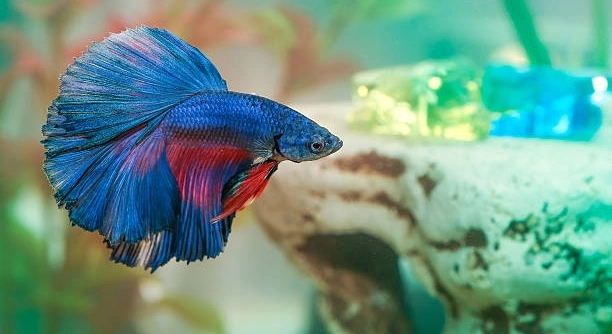
Betta fish are lively and beautiful creatures, but sometimes they may show signs of boredom. Knowing how to recognize these signs can help you keep your Betta engaged and happy.
Boredom in Betta fish is often marked by a lack of activity, repetitive swimming patterns, or decreased interest in their environment. This can stem from insufficient stimulation or an environment that lacks variety and enrichment for the fish.
Recognizing the signs of boredom early can make a big difference in maintaining your Betta’s health. Keep reading to learn how to spot these clues and improve their environment.
Lack of Movement or Swimming Patterns
A bored Betta fish often exhibits a lack of movement or repetitive swimming patterns. When a Betta is engaged, it swims freely around its tank, exploring and interacting with its environment. However, if your Betta is frequently hovering in one spot or swimming in circles without variation, it may be showing signs of boredom. Bettas enjoy exploring different areas of their tank, so seeing them stick to the same spot all the time can indicate a lack of stimulation.
While Bettas are known for their curious nature, when they have little to interact with, they may lose interest in exploring. If they swim in the same area or pattern over and over, it’s a clear sign that their space doesn’t provide the stimulation they need. A lack of movement or unusual swimming habits can also signal a lack of space or something wrong with the tank environment.
To encourage more activity, consider adding new plants, decorations, or objects for your Betta to interact with. This can inspire movement and make your Betta feel more at ease in its space.
Lack of Interest in Food
A Betta that shows little interest in food could be signaling boredom. Normally, they are eager eaters, but when they’re uninterested in their meals, it can be a sign of a lack of stimulation.
A healthy Betta will usually be excited at feeding time, and if it suddenly starts ignoring food, it might be because they have little to engage with beyond their basic needs. To keep your Betta engaged, try offering variety in its diet and consider adding enrichment activities during feeding time, such as using feeding toys or creating a challenge for your Betta to reach its food.
This is especially true for Bettas that are kept in tanks with minimal decoration or activity. An environment where they don’t feel challenged or stimulated can cause them to lose interest in their surroundings, including food. Introducing new foods or feeding techniques can provide mental stimulation and help break up the monotony.
Inactive Fins or Clamped Fins
When your Betta’s fins remain inactive or clamped to their body, it can indicate boredom or stress. Bettas are usually seen swimming with their fins spread out, displaying their beauty. If you notice your Betta’s fins clamped tightly or barely moving, it could be a sign of a lack of stimulation or an uncomfortable environment.
Clamped fins can sometimes signal a health issue, but if the Betta appears healthy otherwise, boredom might be the cause. Bettas need an environment that encourages them to swim and stretch their fins. Without stimulation or variety, they can become lethargic and lose interest in their usual behaviors.
Providing more engaging objects in the tank, like plants or moving decorations, can help encourage natural fin movement. If the Betta is constantly in a low-stimulation environment, it may not use its fins as much. Adding new stimuli to the tank can also promote better health and active behaviors.
Lack of Interaction with Tank Environment
Betta fish are intelligent and curious creatures, so they should actively interact with their surroundings. If you notice your Betta avoiding decorations or simply staring at the same spot, boredom could be a factor. Bettas often enjoy interacting with plants, moving objects, or even their own reflection.
A tank that’s too empty or doesn’t offer anything to explore may cause the Betta to lose interest. Without things to engage with, the Betta may start to retreat to a corner or stay stagnant. To keep your Betta engaged, add plants, floating objects, or gentle water movements to spark its curiosity.
An unchanging environment can make your Betta lose interest and feel bored. Bettas love variety, so making small changes in the tank regularly can keep them stimulated. Giving them new spaces to explore will encourage them to become more active, reducing the chances of boredom.
Unusual Behavior or Aggression
Bored Betta fish may also exhibit unusual behaviors or aggression. This can include fin biting, excessive aggression towards tankmates, or even attacking their reflection in the glass. When a Betta becomes bored, it may act out due to frustration.
Aggression or odd behavior is often a result of a lack of stimulation. Bettas are territorial, and when they don’t have enough to do, they can turn that energy towards themselves or their surroundings. This can lead to stress, which worsens the behavior. It’s important to ensure the Betta’s environment offers variety and space for it to express natural behaviors.
Introducing enrichment such as changing tank arrangements or adding new objects can help prevent aggressive outbursts. A Betta that is properly stimulated tends to be more relaxed and less likely to engage in destructive or self-harming behaviors.
Unexplored Space in the Tank
If your Betta is only occupying a small portion of its tank, boredom could be the reason. Bettas are naturally curious fish, and when they have access to a larger tank but avoid exploring, it’s often a sign they feel unstimulated.
Betta fish thrive when they have room to swim freely and explore their surroundings. If the tank doesn’t offer enough opportunities to explore, the Betta may stick to one corner or stay near the surface. This behavior suggests that the fish is not enjoying the space it has.
Incorporating decorations or plants in the tank can create new hiding places and encourage exploration. These changes allow the Betta to feel more comfortable moving around and will help prevent boredom.
Constant Resting at the Surface
When a Betta spends too much time resting at the surface of the water, it may indicate boredom. Bettas naturally enjoy swimming through all levels of their tank, but if they’re always found near the top, something is off.
A stagnant environment without challenges can cause Betta fish to lose interest in exploring their surroundings. The fish may hang around the surface out of habit rather than curiosity. This behavior can lead to lethargy and a decline in overall health.
FAQ
How can I tell if my Betta is bored?
Boredom in Betta fish is often easy to spot. Common signs include a lack of movement, clamped fins, disinterest in food, and repetitive swimming patterns. If your Betta is no longer exploring its tank or interacting with its environment, it’s a clear sign it may be bored. A lack of variety in the tank and limited space can contribute to these behaviors. You should observe your Betta carefully, as subtle changes in behavior can indicate a need for more stimulation or an environment change.
What can I do to prevent my Betta from getting bored?
To keep your Betta fish engaged, you need to provide a stimulating environment. Add decorations, plants, or floating objects for your Betta to interact with. Regularly changing the tank layout can also keep things fresh. You can use toys or feeding activities to challenge your Betta and encourage it to swim and explore. Bettas thrive in tanks with room to move around, so avoid overcrowding and ensure your Betta has enough space to swim freely.
How often should I change things in my Betta’s tank?
Changing the decorations and layout of your Betta’s tank every few weeks can help keep it engaged. Bettas enjoy variety, and a static tank can lead to boredom. You don’t need to do a complete overhaul each time, but small changes like adding new plants or rearranging the decor can create new exploration opportunities. Just make sure the tank remains clean and the changes are safe for your Betta.
Can Betta fish get lonely?
Betta fish are solitary by nature and don’t require the company of other fish to be happy. In fact, keeping other fish with a Betta can sometimes lead to aggression. Bettas do best when they have a tank to themselves, or with peaceful tank mates that don’t pose a threat to their territory. However, a Betta can still experience boredom if there’s not enough mental stimulation or if the tank lacks variety.
Should I be worried if my Betta stops eating?
If your Betta stops eating, it could be a sign of boredom, but it can also indicate a health issue. If your Betta is acting normally otherwise, the lack of interest in food may just be related to environmental factors like boredom or an unappealing diet. Try offering different types of food to stimulate your Betta’s interest. However, if your Betta continues to refuse food or shows signs of illness (such as lethargy or clamped fins), you should consult a vet to rule out health problems.
How can I tell if my Betta is stressed?
Betta fish show signs of stress through behaviors like clamped fins, hiding for long periods, excessive hiding behind decorations, or swimming erratically. Stress can also cause them to lose their appetite. Common stressors include poor water quality, overcrowding, a lack of hiding spots, or aggressive tank mates. Ensuring the water temperature is consistent, the tank is clean, and your Betta has enough space can help prevent stress.
Is it normal for my Betta to rest at the top of the tank?
While Betta fish may occasionally rest at the surface for air, excessive time spent at the top can signal boredom or an underlying problem. Bettas have labyrinth organs, which allow them to breathe air from the surface, but if your Betta is always at the top and not swimming at different levels, it may be a sign of a lack of stimulation or even poor water quality. Ensure your Betta has room to swim and explore all areas of the tank.
Can Betta fish live in small tanks?
Betta fish can survive in small tanks, but they thrive best in tanks that provide enough space for swimming and exploration. A minimum tank size of 5 gallons is recommended to ensure your Betta has enough room to move around and stay healthy. Small tanks may not provide enough stimulation or space, leading to boredom or stress. Make sure the water quality is maintained in smaller tanks, as it can become dirty quickly.
How can I tell if my Betta is unhealthy?
If your Betta is exhibiting strange behavior, like spending too much time hiding, swimming erratically, or refusing food, it could be a sign of illness. Look for visible signs such as faded colors, clamped fins, bloating, lesions, or lesions on the body. These symptoms, along with a lack of movement or activity, may indicate a health problem. If any of these signs appear, consult a vet or fish specialist for proper treatment.
Can changing the water too often stress my Betta?
Frequent water changes can stress your Betta if done improperly. While it’s essential to keep the water clean and maintain good water quality, sudden changes in water temperature or chemistry can shock your Betta. If you’re changing the water too often, consider adjusting the frequency and making sure the new water is properly conditioned and at the right temperature. A good rule of thumb is to change 20-30% of the water every week.
How can I make my Betta’s tank more stimulating?
To make your Betta’s tank more stimulating, add decorations, plants, and objects like caves or floating toys for them to interact with. Bettas enjoy swimming through plants or hiding in caves, which can help reduce boredom. Moving objects or water currents can also create dynamic environments that keep your Betta active. Adding variety to the tank will encourage more natural behavior, such as exploring, hiding, and chasing. Keep your Betta’s tank environment clean, and make sure it offers enough variety to keep them engaged.
Final Thoughts
Recognizing the signs of boredom in your Betta is key to maintaining their well-being. Bettas are intelligent and curious fish that need stimulation to stay active and healthy. When they show signs like repetitive swimming, lack of interest in food, or inactivity, it’s often a sign that their environment isn’t providing enough engagement. By understanding what causes boredom, you can make simple changes to their habitat to encourage natural behaviors. Adding new decorations, rearranging the tank, or introducing floating objects can make a big difference in keeping your Betta engaged and happy.
Boredom in Betta fish can lead to stress, health issues, or even aggressive behaviors. A Betta that’s not mentally stimulated may become more prone to stress, which can affect its overall health. When a Betta feels trapped in a monotonous environment, they may start showing signs like clamped fins, excessive hiding, or aggression. To avoid these issues, focus on creating a more dynamic and varied space for your Betta. Regularly changing their environment and offering new challenges can keep them more active and reduce stress. Even small changes like adding live plants or a mirror for short periods can provide the mental stimulation they need.
Ultimately, caring for a Betta fish goes beyond just feeding and water changes. Their mental and emotional needs are just as important. Providing an enriching environment will help your Betta live a longer, healthier, and more fulfilling life. While they may not need constant interaction, they do thrive on having a variety of things to explore, challenge them, and keep their natural instincts sharp. The more you understand your Betta’s behavior and needs, the better equipped you will be to prevent boredom and ensure they stay content in their home.

Hello,
If you enjoy the content that we create, please consider saying a "Thank You!" by leaving a tip.
Every little bit helps us continue crafting quality advice that supports the health, happiness, and well-being of pets around the world, for pets of all shapes, sizes, and species.
We really appreciate the kindness and support that you show us!