
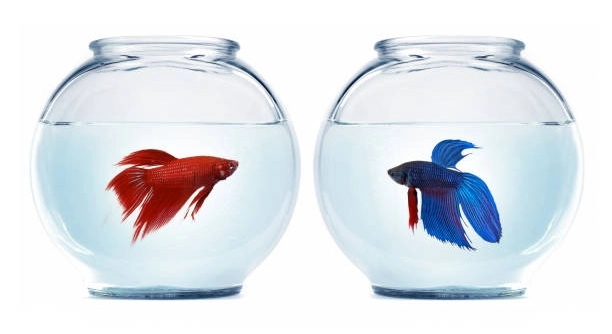
Betta fish are popular pets due to their beauty and unique personalities. As a pet owner, you might wonder if your Betta feels lonely in its tank, especially if it’s not as active as usual.
If your Betta fish is alone for extended periods, it may show signs of loneliness. These signs include changes in behavior, such as less movement, or a lack of interest in its environment.
Recognizing the signs of loneliness in your Betta can help you provide a happier environment for your fish. By understanding these behaviors, you can ensure it thrives and enjoys its time in the tank.
Less Movement and Reduced Activity
One clear sign that your Betta might be feeling lonely is a lack of movement. Betta fish are usually active swimmers, often darting around their tank. However, if your Betta seems to hover in one spot or swim slowly, it could indicate it’s not engaged with its surroundings. This change in behavior often happens when a Betta feels isolated or bored. A lonely Betta may also spend more time near the surface of the water or close to one side of the tank. This shift in behavior is often noticeable after an extended period of time alone.
A Betta’s natural instinct is to explore, hunt, and interact with its environment. When this behavior diminishes, it’s essential to consider factors that could contribute to its loneliness.
Sometimes, it’s as simple as needing a tank mate or some enrichment, such as plants or decorations that encourage movement. Adding features that allow your Betta to explore or introducing a new companion (if compatible) may help stimulate its activity. Even small changes can make a noticeable difference.
Lack of Interest in Food
Betta fish are known for their appetite, but loneliness can lead to a decrease in feeding.
When a Betta feels lonely, it might lose interest in food. A fish that is usually eager to eat may leave its food untouched. This behavior often suggests emotional distress or a lack of stimulation. Betta fish, like many pets, can get picky or less motivated when they’re not mentally or physically stimulated.
If your Betta isn’t eating regularly, it’s crucial to observe other signs of loneliness. It’s possible that a more engaging environment or a tank mate might reignite its hunger. Betta fish thrive on interaction, and a lonely Betta may struggle to show enthusiasm for eating.
Fading Coloration
Lonely Bettas may experience a loss of vibrant color. If you notice your Betta’s usual bright hues begin to fade, it might be a sign of stress or isolation. The bright, vivid colors that Bettas are known for can diminish when they feel neglected or bored.
Color fading in Betta fish often signals that something isn’t quite right. Bettas are highly sensitive to their environment, and when they experience loneliness, it can affect their overall well-being. This includes their physical appearance. If a Betta doesn’t have the proper mental stimulation or company, it can lead to a lack of vibrancy.
Adding plants, decorations, or changing the tank environment can help bring back some of their color. A well-maintained tank with various enrichment activities can encourage a Betta to show off its natural beauty again. Pay attention to your Betta’s tank conditions, as poor water quality may also play a part in color loss.
Aggressive Behavior
A Betta that feels lonely may also become more aggressive, especially if it shares a tank with other fish. Normally, Bettas can be territorial, but increased aggression often comes from stress. If your Betta shows signs of aggression, it could be due to a lack of social interaction.
When a Betta is isolated, it may express its frustration by becoming more aggressive towards other fish or even the tank decorations. Bettas are curious, and they sometimes react to changes in their environment with aggression. However, increased aggression without the usual triggers (like territorial disputes) can point to loneliness.
If your Betta begins to show signs of aggression that weren’t there before, consider adjusting its living space. Adding more hiding spots or changing the tank layout could help ease the stress. If possible, ensure your Betta has a stable environment that allows it to feel secure and less agitated.
Floating Near the Surface
If your Betta fish spends most of its time near the surface, it might be an indication of loneliness. Bettas are often curious and active, but when they feel isolated, they can become less engaged with their environment.
Fish that are lonely may hover near the surface of the water, appearing less interested in swimming around. This behavior can also be a sign of boredom or discomfort. It’s essential to watch for changes in your Betta’s movement and activity, as a shift like this might indicate emotional distress.
Lack of Interaction with Reflections
A lonely Betta might show less interest in its reflection, which is often a sign of isolation.
Bettas typically react to their reflections, especially if they’re alone. They might flare up their fins or swim toward the reflection as a form of interaction. If your Betta is no longer responding to its reflection, it could be a sign of reduced social engagement.
Hiding More Than Usual
Hiding more than usual is a common behavior in lonely Bettas. If your Betta spends extended periods of time hiding in plants or decorations, it may be feeling stressed.
When Betta fish don’t have enough to do or feel isolated, they may retreat to hidden spots in their tank. This behavior could signal that your Betta is attempting to avoid boredom or frustration. A more stimulating environment or companionship can help your Betta feel more secure and less inclined to hide.
FAQ
1. Can Betta fish live alone without getting lonely?
Yes, Betta fish can live alone, and many owners keep them solo in their tanks. Bettas are territorial by nature, and in the wild, they often live alone in small spaces. While they can survive alone, they may get lonely if not stimulated. The key is providing a rich environment with hiding spots, plants, and decorations that allow the Betta to explore. If you’re concerned about loneliness, you can always offer more interaction, such as hand-feeding or placing the tank in a location where your Betta can observe activity.
2. Do Betta fish need a companion?
Betta fish don’t necessarily need a companion, as they are solitary creatures in their natural habitat. In fact, Bettas are known to be aggressive, especially towards other males, and can fight if housed together. However, Betta fish do need enrichment in their environment, such as plants or tank mates that are non-aggressive. If you want to add a companion, make sure it’s a species that can coexist peacefully with a Betta. Avoid other male Bettas, and research compatible tank mates carefully.
3. Can I put a second Betta in the tank to keep my Betta from being lonely?
It’s generally not advisable to put two male Bettas in the same tank. They are highly territorial and will often fight until one is injured or stressed. Female Bettas are less aggressive but can still fight, so if you plan to introduce another Betta, make sure your tank is large enough for each to have their own space. You might also consider using a tank divider to separate them. Always monitor the behavior to ensure they don’t become aggressive towards each other.
4. How do I know if my Betta is stressed or just lonely?
Stress and loneliness often show similar signs in Bettas, like reduced activity or appetite loss. However, stress can also be triggered by water quality, temperature changes, or aggressive tank mates. Lonely Bettas, on the other hand, may show less interest in food, lack of movement, or more time spent at the surface. If the issue is loneliness, providing more interaction or tank enrichment should help. If the behavior persists despite these changes, check for stress factors like poor water conditions.
5. Can Betta fish get depressed?
Yes, Betta fish can experience depression, especially if they are kept in an environment that lacks stimulation. Bettas are intelligent and curious creatures, so without things to engage them, they may become withdrawn and less active. Depression in Bettas may manifest as lethargy, a loss of appetite, and fading colors. Improving their environment, offering enrichment, or even interacting with them more can help alleviate signs of depression.
6. Should I get another fish to keep my Betta company?
Adding another fish may help if your Betta seems lonely, but it’s essential to pick compatible species. Betta fish are known for their territorial nature, so it’s important to avoid other males and fish with long, flowing fins that might be seen as competition. Suitable tank mates include species like Corydoras catfish, snails, and certain types of shrimp. Always observe your Betta’s behavior after introducing a new fish to ensure they are not overly aggressive or stressed.
7. How do I make my Betta feel less lonely?
To help your Betta feel less lonely, focus on creating a stimulating environment. Adding plants, decorations, and hiding spots can give your Betta areas to explore and feel secure. Providing a consistent routine and regular interaction, such as feeding or speaking to your Betta, can also help reduce loneliness. Bettas may also benefit from occasional tank mates, but it’s important to research compatibility first.
8. Can Betta fish live with other fish?
Betta fish can live with other fish, but you need to choose the right tank mates. Male Bettas should never be kept with other males due to their aggressive nature. Similarly, fish with long, flowing fins can be seen as rivals by Bettas. Safe tank mates include certain species of shrimp, snails, and peaceful fish like Corydoras catfish. The key is ensuring there are plenty of hiding spots and enough space for everyone to avoid conflict.
9. How often should I interact with my Betta to keep it from being lonely?
You don’t have to interact with your Betta every hour, but regular interactions help. Spending time with your Betta, such as feeding it by hand or moving your fingers in front of the tank, provides stimulation and can reduce loneliness. Bettas are intelligent and curious, so they can appreciate these moments. Aim for a few interactions each day, along with ensuring the tank is interesting enough to explore.
10. How can I tell if my Betta is happy?
A happy Betta will display vibrant colors, swim actively, and show curiosity. It will interact with its environment, explore the tank, and respond to stimuli. Bettas that are content will be eating regularly, and their fins will be fully extended. If you notice that your Betta is active and social, it’s likely happy. Make sure to also keep the tank conditions optimal for its health.
Final Thoughts
Betta fish are beautiful and unique creatures, but like all pets, they require attention and care. While Betta fish are often seen as solitary animals, it’s important to understand that they can experience loneliness or stress if their environment isn’t stimulating enough. If you notice signs of loneliness in your Betta, such as reduced movement or lack of interest in food, it’s essential to assess the tank setup and their overall well-being. Small changes like adding plants, decorations, or simply interacting more with your Betta can make a big difference.
Providing a suitable environment for your Betta goes beyond just meeting their basic needs. Bettas are active and curious, so they thrive in tanks with plenty of enrichment. This can include live plants, hiding spots, and a well-maintained tank with proper water conditions. Betta fish also appreciate interaction, so taking time to engage with them—whether through feeding, playing, or observing their behavior—can help combat feelings of loneliness. However, remember that Betta fish are territorial, and it’s important to carefully consider tank mates if you choose to introduce other fish.
In the end, understanding the signs of loneliness and stress in your Betta is key to ensuring they live a happy and healthy life. By paying attention to their behavior and making the necessary adjustments, you can create an environment where your Betta feels comfortable and stimulated. While Bettas may not require constant companionship, offering the right balance of enrichment, attention, and care will keep them engaged and content. A Betta’s well-being is closely tied to its environment, so keeping their space active and secure is essential for their happiness.

Hello,
If you enjoy the content that we create, please consider saying a "Thank You!" by leaving a tip.
Every little bit helps us continue crafting quality advice that supports the health, happiness, and well-being of pets around the world, for pets of all shapes, sizes, and species.
We really appreciate the kindness and support that you show us!