
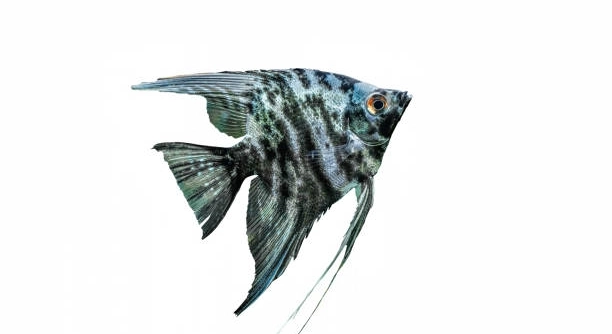
Angelfish are popular aquarium pets, known for their graceful movements and vibrant colors. As an angelfish owner, you might be wondering how to tell if your fish is pregnant and how to care for them during this exciting time.
To determine if your angelfish is pregnant, look for physical changes such as a swollen belly, a darker coloration, and increased activity. Females may also exhibit a slightly rounder body shape, and their behavior might change as they prepare to spawn.
Being aware of these signs will help you provide the proper care for your pregnant angelfish. Keep reading to learn more about what to watch for and how to support your fish through this important phase.
Swollen Belly
One of the most obvious signs that your angelfish may be pregnant is a swollen belly. As the eggs develop inside, the female’s body will begin to show noticeable bulging. This happens because her abdomen fills with eggs, which may make her appear rounder than usual. This change can happen gradually, so it’s important to monitor your fish closely if you suspect pregnancy.
You may notice that her belly grows bigger over time. The swelling may become more noticeable in the days leading up to spawning. In some cases, the swelling is more apparent on one side, depending on how many eggs she’s carrying.
As the pregnancy progresses, the female’s belly may grow even larger. However, this swelling doesn’t always happen evenly, and it could be more noticeable in certain species of angelfish. If the swelling seems excessive or uncomfortable for your fish, it’s best to ensure she has a proper environment to thrive. A calm and spacious aquarium can help manage her stress levels as she prepares for reproduction.
Behavior Changes
When your angelfish is pregnant, you may see some changes in her behavior. Pregnant females tend to become more active and sometimes more territorial. They may start exploring different areas of the tank more frequently, possibly to find a place to lay their eggs. This behavior shows that she is preparing for spawning.
Pregnant angelfish may also show more interest in interacting with a mate, which can indicate they are getting ready for reproduction. This increased activity isn’t limited to the fish themselves. You may notice more interaction between the female and male angelfish as they work together to create a safe spot for the eggs. As they go through the process, the female may swim around constantly, searching for the perfect spot to lay her eggs. This can be a sign of her readiness to reproduce.
When the female is in this phase, be sure to keep a watchful eye on her. During this time, she can be a little more skittish or aggressive than usual, especially as she searches for an ideal spot in the aquarium.
Darkening of Color
Another sign to watch for is a darkening of your angelfish’s coloration. Pregnant females often experience a change in their skin color, which may become deeper or more intense than usual. This happens as a result of hormonal changes that prepare the fish for spawning. The darkening is often noticeable around the belly area, where the eggs are forming.
This change in color is especially visible in certain species of angelfish that have vibrant hues. The darker pigmentation helps to signify that the fish is carrying eggs, and it may also indicate increased readiness for spawning. The darkening may occur suddenly or gradually, depending on the individual fish.
During this period, keep your tank’s lighting consistent and avoid sudden changes. Harsh lighting may cause additional stress for the female, making it harder for her to prepare for the spawning process. Ensuring the tank is calm and stress-free can help maintain her health as she moves through this phase.
Increased Hiding Behavior
Pregnant angelfish may begin to seek out more hiding spots in the aquarium. This behavior often occurs because the female feels more vulnerable as she carries eggs. She might search for places with plants, decorations, or structures where she can feel secure.
While this may seem like a sign of distress, it’s actually a natural instinct. Female angelfish want to ensure their eggs are safe and may seek out more secluded areas to prepare for spawning. If you notice that your angelfish is spending more time behind plants or rocks, it could be a sign that she is ready to lay her eggs soon.
Adding more hiding spots and tank decorations can make your angelfish feel safer and less stressed during this delicate time. It’s also crucial to ensure that the water quality remains optimal to support her during this period. Clean, filtered water helps prevent any complications that could harm her or her future offspring.
Changes in Behavior Towards Tank Mates
Pregnant angelfish may start displaying more aggressive behavior toward other tank mates. This is because they feel more protective of their space and the eggs inside them. This behavior can include chasing, nipping, or trying to claim certain areas as their own.
During this period, female angelfish are likely to become more territorial. They might be less tolerant of other fish in the tank, especially if they feel their eggs are at risk. This aggression can extend to both males and other females. If you notice this behavior, it’s a sign she is preparing for her eggs to be laid and is guarding her territory.
To help reduce stress, consider rearranging the tank decorations or adding new hiding spots. This will give your angelfish more areas to claim as her own without causing constant conflict with other fish. Avoid placing any aggressive fish in the tank at this time to keep her more comfortable.
Rounder Body Shape
One noticeable physical change in a pregnant angelfish is a rounder body shape. As the eggs develop inside her, her body will take on a fuller, more rounded appearance. This is a clear indication that she is carrying eggs.
The roundness is especially noticeable around the belly area. The body shape may seem more pronounced, and you may notice her becoming less streamlined in appearance. It is important to keep an eye on the female’s condition during this time, as an overly swollen body could indicate stress or health issues. A slightly rounder shape is normal for pregnant fish, but anything beyond this may require closer attention.
If the roundness is accompanied by changes in swimming patterns or behavior, it could be a sign that the fish is nearing the point of spawning. Monitoring her closely will help you determine when she is ready to lay her eggs. Make sure she is comfortable in the tank and that water quality is kept optimal to avoid stress.
Increased Appetite
Pregnant angelfish may experience an increase in appetite. As their bodies prepare to lay eggs, they require more nutrients to support the growth of the eggs. This is a natural process, and the fish will eat more food to ensure they are receiving enough energy for reproduction.
Providing a varied diet for your pregnant angelfish is essential. High-quality flakes, pellets, and live foods will give her the nutrients she needs. You may notice that she becomes more eager to eat and may eat larger portions than usual. However, keep an eye on her to make sure she does not overeat, which could lead to health issues.
Feed her small amounts throughout the day rather than one large meal. This will keep her energy levels up without overloading her digestive system. Maintaining a clean tank environment is also important, as leftover food can degrade water quality and stress out your fish.
Changes in Fin Posture
A pregnant angelfish may alter the posture of her fins. You may notice that her dorsal fin is held higher or her pectoral fins are spread wider. These changes are signs that she is preparing for spawning and becoming more focused on securing a good spot for her eggs.
This adjustment in fin position is part of her natural behavior as she gets ready to lay eggs. The fins may appear to be more rigid or angled differently as she searches for a suitable place. The posture change often coincides with increased territorial behavior and signs of aggression.
Increased Hiding
As her pregnancy progresses, your angelfish may start to spend more time hiding. This behavior is common as the female seeks out a secure, quiet place where she feels comfortable. The act of hiding shows that she is preparing to spawn and wants to avoid disturbances.
She may use plants, rocks, or tank decorations to create a safe space where she can lay her eggs. Adding more hiding spots in your tank can help give her a sense of security. Keeping the tank peaceful is also important, as it reduces stress during this critical time.
Spawning Behavior
When the angelfish is ready to lay her eggs, you may notice significant changes in her behavior. She may start to “clean” a flat surface like a rock or a leaf, preparing it for egg laying. The male will often follow her closely, ready to fertilize the eggs.
This is a clear indicator that the female is ready to spawn. You may also see the male swimming in a circular motion or nudging the female to encourage her to lay the eggs. It’s important to allow the angelfish to go through this process without interference to ensure successful egg fertilization.
FAQ
How long does it take for angelfish to become pregnant?
Pregnancy in angelfish typically lasts between 2 to 3 weeks. The process can vary depending on the water conditions, temperature, and the individual fish. During this time, you’ll notice physical and behavioral changes, such as a swollen belly, changes in color, and increased activity. The closer the female gets to laying eggs, the more noticeable these signs will become.
It’s important to note that angelfish do not stay pregnant like mammals. Instead, they go through a cycle of laying eggs and then fertilizing them. After the eggs are laid, they will hatch within a few days, so the pregnancy stage is relatively short.
Can angelfish get pregnant without a male?
No, female angelfish cannot get pregnant without a male. In order to lay eggs, the female requires fertilization by a male. However, female angelfish will still exhibit many signs of pregnancy, such as a swollen belly and changes in behavior, even if they do not have a mate.
Without fertilization, the eggs will not develop into fish, but the female will still go through the motions of egg-laying. It’s important to have both a male and female in the tank if you want to ensure successful reproduction.
How do I know when my angelfish is about to lay eggs?
You’ll notice several signs when your angelfish is about to lay eggs. Her belly will become noticeably rounder, and her color may darken. You may also see her cleaning a surface, such as a leaf or a flat rock, where she plans to lay the eggs.
At this stage, the female will likely become more territorial, chasing other fish away from her chosen spot. She may also start to interact more with the male angelfish, signaling that she is ready for spawning.
Can I separate the male and female angelfish during pregnancy?
It’s not necessary to separate the male and female angelfish during pregnancy, as long as they are not showing signs of aggression towards each other. In fact, the presence of the male can help stimulate the female’s behavior, encouraging her to lay her eggs.
If the female is showing signs of aggression or stress, it might be a good idea to give her more space, but separation is not usually needed. It’s also crucial to provide plenty of hiding spots in the tank to reduce stress and give the female a safe place to lay her eggs.
What should I do after my angelfish lays eggs?
Once your angelfish lays her eggs, it’s important to keep an eye on the tank to ensure the eggs are fertilized and cared for. The male will fertilize the eggs shortly after they are laid. You may notice the pair guarding the eggs closely, keeping other fish away from the area.
You should continue to monitor the water quality to ensure it remains optimal. If you’re concerned about other fish eating the eggs, you can remove them to a separate breeding tank. However, many angelfish will successfully hatch and care for their eggs without interference.
How can I tell if my angelfish eggs are fertilized?
Fertilized eggs will appear clear or light-colored, while unfertilized eggs will turn white or cloudy. If you see a lot of white or cloudy eggs, it’s a sign that they haven’t been fertilized and are unlikely to hatch.
Fertilized eggs will develop darker colors as they mature, and you’ll often notice small black dots forming inside them as the embryos grow. It can take 2-3 days for fertilized eggs to hatch, depending on the water temperature and tank conditions.
How do I care for angelfish fry?
Caring for angelfish fry requires a few adjustments to your tank setup. Once the eggs hatch, the fry will remain attached to the surface for the first few days as they absorb their yolk sacs. After that, they will begin swimming around.
During this time, you’ll need to provide finely crushed fish food or specialized fry food. Keep the tank clean, and make sure the fry are not being eaten by adult fish or other tank mates. You may want to separate the fry into their own tank for a while until they are large enough to join the adults.
Why isn’t my angelfish laying eggs?
There are several reasons why your angelfish may not be laying eggs. One of the most common reasons is that the fish may not feel comfortable or safe enough to spawn. This could be due to water quality, tank size, or even the presence of stressors such as aggressive tank mates.
Additionally, if your angelfish are not mating regularly or there is no male in the tank, eggs may not be laid. Another possible cause could be the temperature of the water. Angelfish typically spawn in warmer water, so it’s important to keep the tank temperature between 76-80°F (24-27°C) to encourage breeding.
Should I remove the male angelfish after the eggs are laid?
After the eggs are laid and fertilized, it’s generally not necessary to remove the male angelfish. In fact, the male will continue to help protect the eggs from other fish. Both the male and female will guard the eggs, ensuring that they remain safe until they hatch.
However, if you notice that the male is being overly aggressive toward the female or other tank mates, it might be worth separating them temporarily to reduce stress. Just ensure the female is left in a safe space where she feels secure.
Final Thoughts
Understanding the signs of pregnancy in your angelfish can make a big difference in providing the right care during this exciting time. When your angelfish is pregnant, you’ll notice physical changes like a swollen belly, darker coloration, and a rounder body shape. These changes signal that your fish is preparing to lay eggs, and it’s important to watch for behavior shifts as well. Increased activity, territorial actions, and hiding are also common as the female gets ready to spawn. By knowing what to look for, you can support your angelfish in a way that helps reduce stress and ensures the health of both the female and her eggs.
Caring for a pregnant angelfish requires some attention to her environment and diet. It’s essential to maintain a stable and clean tank, as any fluctuations in water conditions can cause stress and affect the success of her pregnancy. Keeping the water temperature stable and ensuring good water quality are key factors to consider. Providing plenty of hiding spots in the tank will help your angelfish feel secure and reduce aggression, which is common during this time. Also, keep an eye on her eating habits; a well-balanced diet will support her during pregnancy and give her the energy needed for egg-laying.
While the process of pregnancy in angelfish may seem complicated, it’s largely about being observant and responsive to their needs. Whether it’s through adjusting tank conditions, watching for signs of impending egg-laying, or providing extra food, you can help guide your angelfish through this stage of life. If you follow these steps and pay attention to their well-being, you’ll create a healthier, more successful environment for your fish to thrive in, ensuring that both the female and her future fry are cared for properly.

Hello,
If you enjoy the content that we create, please consider saying a "Thank You!" by leaving a tip.
Every little bit helps us continue crafting quality advice that supports the health, happiness, and well-being of pets around the world, for pets of all shapes, sizes, and species.
We really appreciate the kindness and support that you show us!