
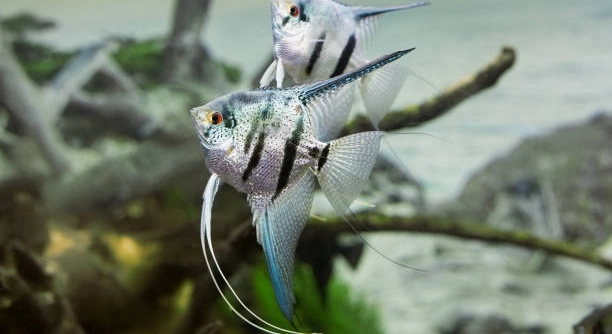
Is your angelfish acting strange, staying still more than usual, or avoiding its food? These changes might mean something is wrong.
Angelfish show signs of pain through changes in behavior, appetite, appearance, and swimming patterns. These signs may indicate injury, illness, or discomfort caused by environmental stress or internal health problems.
Noticing these signals early can make a big difference in your fish’s health and overall well-being.
7 Signs Your Angelfish Might Be in Pain
When angelfish are in pain, they won’t cry or whimper. Instead, they show small changes in how they move, eat, or behave. One of the most common signs is a loss of appetite. If your angelfish suddenly stops eating or eats much less than usual, it may be dealing with pain or discomfort. You might also notice them hiding more often or staying in one spot for a long time, especially near the bottom of the tank. Unusual swimming, like struggling to stay upright or darting around, can also be a red flag. Their colors might fade, or their fins might look clamped. Breathing faster than usual or gasping at the surface are signs that something isn’t right either. Keep an eye out for visible injuries or swelling. These behaviors and signs are your fish’s way of telling you something is wrong, and they need help.
Changes in swimming patterns, like tilting or floating oddly, often mean your angelfish is uncomfortable or in pain. It’s not always easy to tell, but behavior is a strong clue.
Sometimes, stress from poor water quality can also make your angelfish act differently. Things like high ammonia or nitrate levels can lead to health problems and pain. Keeping your tank clean and checking water levels regularly can prevent many of these issues. Angelfish are sensitive to changes in their environment, and even slight shifts can lead to noticeable changes in their behavior. If they look dull or sluggish, it’s a sign to check both their health and their surroundings. Also, keep an eye out for aggression from tank mates, which can cause injuries. When pain or illness goes unnoticed for too long, it becomes harder for them to recover. Noticing these signs early can help you take quick action, whether it’s a water change, adjusting temperature, or seeking advice from an aquarium specialist.
What You Can Do If You Notice Painful Symptoms
If your angelfish seems to be in pain, the first step is to test your tank water. It’s often the root cause of discomfort.
Once water issues are ruled out or corrected, look at your angelfish’s diet and surroundings. Make sure the tank isn’t overcrowded and that they have space to swim freely. Angelfish thrive in a calm, stable environment with consistent temperatures and clean water. Feeding them a balanced diet can also support recovery. If you notice visible wounds or suspect a parasite, consider moving the fish to a separate tank for treatment. Medications can be added safely in isolation. Avoid sudden changes in temperature, lighting, or tank decor, as these can add stress. Keeping a log of any changes in behavior and water conditions can help you find patterns and track progress. When in doubt, it’s always helpful to consult a vet who specializes in aquatic animals. Acting early improves your angelfish’s chances of healing and staying healthy.
Common Causes of Pain in Angelfish
Injuries from rough handling or aggressive tank mates can lead to visible wounds, torn fins, or infection. Poor water conditions are another major source of discomfort, often causing internal stress or damage that may not be visible right away.
Bacterial infections, parasites, and fungal diseases can all result in physical pain for angelfish. These often show up as white patches, bloating, or unusual spots on the body. Poor water quality can weaken their immune system, making them more likely to get sick. Stress from frequent changes in temperature, pH levels, or lighting also increases the risk of illness. Overcrowded tanks can cause fighting and territorial behavior, leading to injuries. Even poor nutrition can cause digestive issues and discomfort. It’s important to create a stable, calm, and clean environment to help prevent these health problems from developing in the first place.
A sudden change in behavior is often the first sign of trouble. If your angelfish starts hiding, refuses food, or swims in a strange way, take action quickly. Check water parameters, observe other tank mates, and inspect for physical signs of illness. It’s better to act early than wait for things to get worse. Using a separate tank to observe and treat the fish can help with faster recovery. Pain in fish is often a result of more than one issue, so looking at the full picture—water, tank mates, feeding, and space—is the most effective way to understand what’s wrong and fix it before it gets serious.
How to Prevent Pain in the Future
Maintaining a stable tank environment is one of the best ways to keep angelfish from feeling pain. Consistent water changes, proper filtration, and a calm tank setup go a long way in reducing stress and preventing illness.
Feeding your angelfish a variety of high-quality foods helps support their immune system and overall health. Include pellets, flakes, frozen foods, and the occasional live treat to give them proper nutrition. Avoid overfeeding, as leftover food can pollute the water and create harmful conditions. Make sure the tank is the right size and not overcrowded—each fish needs space to swim and feel safe. Keep tank decorations smooth and free of sharp edges to prevent injury. Regularly monitor for bullying or aggressive behavior from tank mates, and separate fish if needed. A peaceful, clean environment with consistent care is the key to keeping angelfish pain-free and thriving.
How to Comfort an Angelfish in Pain
Lowering the lights and reducing noise around the tank can help calm your angelfish. A quiet, dim environment gives them a chance to rest and recover without added stress.
Make sure your angelfish isn’t being disturbed by other fish. If needed, separate them into a quieter tank where they can heal.
When to Seek Help
If your angelfish shows no signs of improvement after a few days or symptoms get worse, it’s time to consult a specialist. A vet with experience in aquatic animals can guide you in choosing the right treatment or medication. Some conditions require antibiotics or specific water treatments that are hard to manage without professional advice. Avoid using random medications without a diagnosis, as they can cause more harm. Take note of your fish’s symptoms and tank conditions before seeking help. This makes it easier for a vet or aquarium expert to understand what’s going on and suggest the best solution.
Final Thoughts
Catching signs of pain early helps your angelfish recover faster and avoid serious health problems later.
FAQ
How do I know if my angelfish is in pain?
Angelfish in pain often display changes in behavior. They may stop eating or become less active, hiding more than usual. You might notice them swimming strangely, like staying near the bottom of the tank or swimming erratically. Physical signs include faded colors, clamped fins, and visible wounds. If your fish starts breathing heavily or staying near the surface, it may indicate pain or discomfort. Always check their environment, as poor water conditions or aggressive tank mates can also lead to stress and pain.
Can angelfish recover from injury or illness?
Yes, angelfish can recover from injuries or illnesses, but the sooner you notice the signs, the better their chances of healing. Treatment often involves providing a calm environment, correcting any water quality issues, and sometimes isolating the affected fish to prevent further stress. You may need to use medications for infections or parasites, and in the case of physical injuries, regular water changes and proper care will help the fish heal. If the illness is caught early, many angelfish recover fully and return to their normal behavior.
What should I do if my angelfish stops eating?
If your angelfish stops eating, it’s important to check for signs of illness, stress, or poor water quality. Test the water for ammonia, nitrites, and pH levels to ensure they’re in the right range. Angelfish often stop eating if they’re stressed, injured, or sick. Try offering different types of food, as sometimes they refuse what’s been offered. If they still don’t eat and show other signs of illness, such as discoloration, strange swimming, or lethargy, it may be time to consult a vet. Avoid overfeeding, as leftover food can pollute the tank and make the problem worse.
How can I prevent my angelfish from getting sick?
Maintaining a clean, stable tank environment is the best way to prevent sickness. Regular water changes, proper filtration, and monitoring the water’s pH, ammonia, and nitrate levels are crucial. Keep the tank well-maintained and avoid overcrowding, as this leads to stress. Also, make sure the water temperature is consistent, and there are no sudden changes in the environment. Providing a balanced diet and removing any uneaten food will also reduce the chance of health issues. Lastly, ensure that tank mates are compatible and won’t cause harm to your angelfish.
Why does my angelfish have clamped fins?
Clamped fins are a common sign of stress or illness in angelfish. It can happen when they are uncomfortable due to poor water conditions, overcrowding, or aggressive tank mates. Clamped fins may also appear if the fish is injured or feeling unwell. Infections, parasites, or water quality problems can all cause the fish to clamp its fins to its body as a way to protect itself or conserve energy. If you notice clamped fins, check the water conditions and look for any visible injuries or signs of illness.
Can angelfish get parasites?
Yes, angelfish can get parasites, just like any other fish. Common parasites that affect angelfish include ich, velvet disease, and gill flukes. These parasites cause symptoms like abnormal swimming, rubbing against objects, visible spots on the body, or labored breathing. Parasites often spread in overcrowded or poorly maintained tanks, so keeping a clean tank and healthy water conditions can help prevent them. If you suspect a parasite, it’s important to treat it quickly with medication designed for the specific parasite.
How do I treat a sick angelfish?
To treat a sick angelfish, start by isolating it in a separate quarantine tank to reduce stress from other tank mates. Check the water quality immediately, as poor water conditions are a common cause of illness. Depending on the symptoms, you may need to use medications like antibiotics or anti-parasitic treatments. If the fish has an external injury, consider adding aquarium salt to help with healing. Follow the instructions on any medications carefully and ensure the treatment is appropriate for the type of illness. Regular water changes and maintaining good water quality are key during the healing process.
What temperature should the water be for my angelfish?
Angelfish thrive in water temperatures between 76°F and 80°F (24°C to 27°C). Temperatures outside this range can cause stress, weaken their immune system, and make them more susceptible to illness. Fluctuations in temperature should be avoided, as sudden changes can trigger health problems. A reliable aquarium heater is essential to maintain a consistent temperature. Always monitor the water temperature with a thermometer to ensure it stays within the ideal range.
Can stress cause health problems for my angelfish?
Yes, stress can have a major impact on your angelfish’s health. Stress weakens their immune system, making them more vulnerable to diseases and infections. Common stressors include poor water quality, overcrowding, aggressive tank mates, sudden changes in the environment, and temperature fluctuations. Chronic stress can lead to loss of appetite, faded colors, and even death if not addressed. To reduce stress, maintain a calm and stable environment, provide enough space for each fish, and avoid aggressive interactions.
How can I tell if my angelfish is dying?
A dying angelfish often shows signs like swimming erratically, staying near the surface or bottom of the tank, clamped fins, and loss of appetite. Their colors may fade, and they might become more lethargic or unresponsive. Gasping for air, visible injuries, or bloating are also signs of a serious health issue. If your angelfish displays these symptoms for more than a day or two, it’s time to check water quality, observe any possible illnesses, and consider consulting a vet. Catching issues early can sometimes help turn things around, but if the fish is near death, treatment may not be effective.
Final Thoughts
Taking care of an angelfish requires attention to detail and patience. These fish, like all animals, can experience pain, stress, or illness. It’s important to notice the small signs early, such as changes in their behavior or physical appearance. The sooner you spot potential issues, the easier it will be to address them and ensure your fish stays healthy. Regular tank maintenance, including water testing, cleaning, and proper filtration, plays a huge role in preventing many of the problems that can lead to pain or sickness.
If your angelfish shows signs of discomfort, don’t ignore them. Checking for any visible injuries, changes in color, or abnormal swimming patterns can help you understand what’s going on. Sometimes, simply adjusting the tank’s temperature, changing the water, or separating aggressive tank mates can make a big difference. It’s important to also monitor your fish’s diet, as feeding them the right food in the right amounts is key to their overall health. Offering a varied diet helps prevent nutritional deficiencies and boosts their immune system, making them less prone to illness.
Lastly, if you’re unsure or the problem doesn’t improve, don’t hesitate to reach out for help. Consulting a vet with experience in aquatic animals can provide valuable insights into what might be affecting your fish. An experienced professional can offer treatments that may not be available over the counter or guide you through complex health issues. Keeping your angelfish comfortable and pain-free takes effort, but with the right care, they can live a long and healthy life. By staying proactive and being mindful of their needs, you’re helping them thrive in their aquatic home.

Hello,
If you enjoy the content that we create, please consider saying a "Thank You!" by leaving a tip.
Every little bit helps us continue crafting quality advice that supports the health, happiness, and well-being of pets around the world, for pets of all shapes, sizes, and species.
We really appreciate the kindness and support that you show us!