
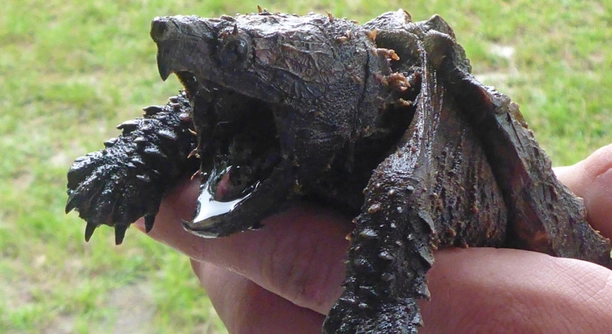
Your alligator snapping turtle needs a proper tank environment to thrive. Filtration plays a key role in keeping the water clean and healthy for your turtle. Understanding when your tank requires more filtration is important for their well-being.
The need for more filtration in an alligator snapping turtle tank is typically due to excess waste, debris, or water imbalance. If the water becomes cloudy or smells unpleasant, it’s a strong indicator that the filtration system is insufficient.
A well-maintained tank ensures your turtle’s health and comfort. Let’s explore how to recognize signs that your filtration system might need an upgrade to keep the water pristine and your turtle happy.
Common Signs That Your Tank Needs More Filtration
If you notice your turtle’s tank looking cloudy or the water turning a murky shade, this is a clear sign that the filtration might not be doing its job. Alligator snapping turtles produce a lot of waste, and without proper filtration, waste and food debris can quickly build up in the water. Not only does this lead to an unclean tank, but it also creates an unhealthy environment for your turtle. As the waste decomposes, it can affect the oxygen levels in the water, causing harmful bacteria to thrive. These changes can stress your turtle and potentially lead to health issues.
Water quality should be a priority in any turtle habitat. The right filtration ensures waste, toxins, and excess nutrients are removed, keeping the environment stable. Monitoring your tank’s clarity and odor will help you identify when more filtration is necessary. Proper filtration also contributes to maintaining stable water temperature and pH, both important for your turtle’s comfort.
Without a proper filter, you’ll find yourself doing more water changes to compensate, which can be time-consuming. Water changes help, but they won’t solve the root problem. A good filter keeps the water cleaner for longer, so your turtle has more stable living conditions and you don’t need to clean constantly.
When Filtration Isn’t Enough
In some cases, having a good filter is simply not enough to keep the water clean. Filters come in different sizes and strengths, so it’s important to choose the right one for the size of your tank.
If the filter is too weak or too small, it won’t be able to handle the waste your turtle produces. This could result in the water turning cloudy quickly after a cleaning. You may also notice that the filter struggles to keep up with your turtle’s activity, especially if it’s a larger turtle. Over time, a small filter can get clogged and won’t work as effectively, meaning you’ll need to clean it more often or upgrade to a more powerful model.
Choosing the right filter depends on your tank size and the turtle’s activity level. It’s also important to regularly clean and maintain the filter, even if it’s working well. When choosing a new filter, make sure it’s strong enough for the size of the tank and the amount of waste your turtle produces. A filter that’s too small won’t keep up, and one that’s too large might cause strong currents that your turtle could find stressful. Finding the balance is key.
The Importance of Tank Size and Filtration
If your tank is too small, your filter will struggle to maintain the water quality. Smaller tanks have less water volume, meaning the filter has to work harder to remove waste. A larger tank with a proper filter provides more space for waste to disperse, making it easier for the filtration system to manage.
Alligator snapping turtles need enough space to move and grow, and that’s why tank size matters. A small tank means higher concentrations of waste, which the filter has to handle. If your filter isn’t powerful enough for the tank size, it won’t remove the waste as effectively. Choosing the right size tank for your turtle, and pairing it with an appropriate filter, will ensure the water stays clean and the turtle stays healthy.
Many beginners think a small tank is fine, but over time, as your turtle grows, you may find the filtration system struggling. A bigger tank with an upgraded filter will help manage the waste load better. Inadequate filtration can lead to ammonia buildup, which is harmful to your turtle’s health. So, ensuring both the right tank size and filter strength will keep your turtle’s home in top shape.
How Often Should You Change the Water?
Regular water changes are essential, even if you have a strong filtration system. Water changes help remove debris the filter might miss, and they reduce the accumulation of waste, toxins, and excess nutrients. The frequency depends on your filter and the size of your tank, but generally, a water change every two weeks is a good starting point.
If you notice the water starting to look dirty or smell, it’s time to change it. When the filter isn’t enough, frequent water changes prevent the buildup of harmful substances. For larger tanks or if you have more than one turtle, you may need to change the water more often. In addition to changing the water, you should also clean the substrate and any decorations or rocks in the tank.
It’s tempting to skip water changes, but it’s one of the most important tasks to maintain a healthy environment for your turtle. Even with a filter, the water can become unbalanced, which affects your turtle’s health. Over time, poor water quality can lead to skin infections, respiratory issues, and shell rot. Keeping a consistent water change schedule will help ensure your turtle’s habitat stays clean and comfortable.
The Role of Substrate in Filtration
The substrate in your turtle tank plays a part in the filtration process. Gravel, sand, or other materials can trap waste, making it harder for the filter to do its job. Over time, these particles build up and can cause the water to become cloudy or dirty.
To keep the water clean, it’s essential to maintain the substrate properly. Some materials, like smooth stones or larger rocks, are easier to clean than fine sand or gravel. Regularly vacuuming the substrate during water changes helps reduce the buildup of waste that your filter can’t handle. If the substrate is overly dirty, it may even be necessary to replace it.
Maintaining a clean substrate will give your filter less to deal with, allowing it to focus on filtering the water rather than trapping debris. Keep an eye on the substrate condition, and remove any waste that might be trapped within it to ensure your filter is working as efficiently as possible.
The Right Type of Filter for Your Turtle
Not all filters are created equal. For alligator snapping turtles, choosing the right filter is crucial. Canister filters or powerful hang-on-back filters are best suited for larger tanks and for dealing with the high waste levels turtles produce.
You need a filter that can handle not just the size of the tank but also the amount of waste your turtle generates. A good filter will ensure water quality is maintained longer, reducing the need for constant water changes. Don’t go for filters made for smaller fish tanks; they’re unlikely to manage the needs of a turtle.
A powerful filter also helps to circulate the water more efficiently. The flow rate should be high enough to maintain water quality, but not too strong to stress your turtle. It’s important to find a filter that fits your tank size and meets the demands of your turtle’s environment.
Impact of Overfeeding on Water Quality
Overfeeding is a common issue that can negatively affect your turtle’s tank. When you give your turtle more food than it can eat, leftovers will quickly accumulate and contribute to poor water quality. This excess food gets broken down by bacteria, raising ammonia levels and causing the water to become toxic.
Proper feeding habits are essential to keeping the tank clean. Feed your turtle only what it can finish in 15-20 minutes, and remove any uneaten food after this time. This helps prevent food waste from fouling the water and overwhelming the filter.
Keep in mind that turtles are opportunistic feeders, and they will often eat whatever is available, whether they are hungry or not. Feeding your turtle in controlled amounts will help maintain a cleaner tank and ensure your filter can handle the waste efficiently.
FAQ
How do I know if my filter is strong enough for my turtle’s tank?
To determine if your filter is strong enough, you need to consider both the size of your tank and the waste load your turtle creates. The filter should be able to turn the entire volume of the tank’s water at least 3-5 times per hour. For example, if you have a 50-gallon tank, you want a filter with a flow rate of at least 150-250 gallons per hour. Make sure to choose a filter designed for a tank size larger than what you have if you’re unsure.
If you find that the water is still murky after cleaning or smells bad, this could indicate that your filter is underpowered. You might need to upgrade to a stronger model that can handle the volume of waste more efficiently.
What type of filter is best for an alligator snapping turtle tank?
For an alligator snapping turtle tank, a canister filter is often the best choice. Canister filters provide powerful filtration, work well for larger tanks, and can handle heavy waste loads. They are also efficient at removing both solid waste and dissolved substances like ammonia, nitrites, and nitrates. Hang-on-back (HOB) filters are also good but may not be strong enough for larger setups.
When selecting a filter, make sure it has a high flow rate, and check if it can handle biological, mechanical, and chemical filtration. You’ll need to replace the filter media regularly and clean it often to keep it functioning properly.
How often should I clean the filter in my turtle’s tank?
You should clean your turtle’s filter at least once every 2-4 weeks, depending on the type of filter and the amount of waste. If you have a canister filter, be sure to clean out the filter media and replace any used components. For hang-on-back filters, cleaning the media and impeller regularly is crucial to ensure proper function.
Even if you don’t notice a drop in the filter’s performance, regular maintenance helps prevent clogs and extends the lifespan of the filter. Always follow the manufacturer’s guidelines for cleaning and replacement intervals.
Can I use an aquarium filter for my turtle tank?
Aquarium filters, typically designed for fish tanks, often don’t have the strength to handle the waste produced by a turtle. While they may work in smaller setups or tanks with fewer turtles, they are usually not powerful enough for an alligator snapping turtle. Turtles are messy creatures that require more robust filtration to maintain water quality.
It’s better to invest in a filter specifically made for turtle tanks. These filters are designed to handle the extra waste and higher bio-load produced by turtles. Always check the specifications to ensure the filter suits your tank’s needs.
Why is my turtle tank water still cloudy after a water change?
Cloudy water after a water change could be a sign that your filter is either underpowered or clogged. A good filtration system should handle the waste and debris, preventing it from settling into the water. If the water is still cloudy after cleaning, it might mean the filter isn’t removing enough waste or is clogged with debris.
Make sure to check the filter for any blockages, clean it thoroughly, and ensure that it has the appropriate flow rate for your tank size. If the problem persists, upgrading to a stronger filter may be necessary.
How can I prevent my turtle’s tank from getting too dirty?
Preventing dirt buildup in your turtle’s tank starts with proper filtration and water maintenance. Ensure that your filter is strong enough to handle the waste load and clean it regularly. Avoid overfeeding your turtle, as excess food can lead to more waste and dirty water.
Regular water changes (every 1-2 weeks) are important for maintaining clean water. You can also clean the tank’s substrate, decorations, and any other items inside during water changes to remove trapped debris. The cleaner the environment, the less stress your turtle will experience.
Is it safe to use a UV sterilizer in my turtle’s tank?
Yes, a UV sterilizer can be beneficial for your turtle’s tank, especially if you struggle with algae blooms or want to reduce harmful bacteria. UV sterilizers work by killing microorganisms and bacteria in the water, which helps keep the water clearer and reduces the chance of waterborne diseases.
However, a UV sterilizer should not replace regular water changes or proper filtration. It can supplement the filtration system by targeting microorganisms, but it doesn’t remove waste or debris. Use it as an additional tool for maintaining water quality.
How often should I change the water in my turtle’s tank?
You should change the water in your turtle’s tank every 1-2 weeks, depending on the size of the tank and the filter’s efficiency. If you have a small tank or if the water starts to smell or look dirty, you may need to change it more frequently.
Changing the water helps remove any waste, toxins, and excess nutrients that accumulate over time. Be sure to perform partial water changes rather than fully draining the tank, as this can disrupt the tank’s ecosystem. Always use a water conditioner to remove chlorine or chloramine when refilling the tank.
How can I clean my turtle’s tank efficiently?
Cleaning your turtle’s tank efficiently involves removing waste and debris, cleaning the filter, and changing the water. Start by removing your turtle and placing it in a temporary holding container. Next, use a gravel vacuum to clean the substrate and remove any waste.
Clean the decorations and rocks with warm water and a sponge. Rinse the filter media thoroughly to remove debris and replace any worn-out filter components. Once the tank is cleaned, perform a water change and refill the tank with conditioned water. Always ensure the tank’s water temperature is within the optimal range for your turtle.
Why does my turtle tank have a bad smell?
A bad smell usually indicates poor water quality, often caused by excess waste or a filter that is not functioning properly. Overfeeding your turtle can lead to uneaten food decaying in the water, contributing to the smell. If the water smells like rotten eggs, it’s likely due to high ammonia levels.
Regular water changes, proper feeding, and maintaining a strong filter are essential to preventing odor. If the smell persists even after these steps, you may need to clean the tank more thoroughly or upgrade your filtration system.
Final Thoughts
Maintaining a clean and healthy environment for your alligator snapping turtle is essential for its well-being. The right filtration system plays a key role in keeping the water clean and balanced, making it easier for both you and your turtle. As turtles produce a lot of waste, it’s important to have a filter strong enough to handle the tank’s size and waste load. If your filter isn’t up to the task, you might notice cloudy water, unpleasant odors, or a buildup of harmful bacteria, all of which can negatively affect your turtle’s health.
Water quality is something that can’t be ignored. Regular water changes are necessary, even if you have a strong filtration system. While filters help keep the water cleaner for longer, they aren’t a substitute for good tank maintenance. Removing uneaten food, cleaning the substrate, and ensuring the water stays clear are all steps that contribute to a healthy tank. Overfeeding is another common issue that can quickly lead to poor water quality. It’s important to feed your turtle in controlled amounts to avoid excess waste, which can overwhelm the filter and cause the water to degrade faster.
Lastly, always pay attention to the size of your tank and the strength of your filter. A filter that’s too weak for the size of the tank or the waste your turtle produces will struggle to keep the water clean. If you’re noticing recurring problems with water quality despite cleaning, it might be time to invest in a more powerful filtration system. Keeping the water at the right temperature, with the right flow rate and the right balance, will ensure your alligator snapping turtle thrives in a safe and clean environment.

Hello,
If you enjoy the content that we create, please consider saying a "Thank You!" by leaving a tip.
Every little bit helps us continue crafting quality advice that supports the health, happiness, and well-being of pets around the world, for pets of all shapes, sizes, and species.
We really appreciate the kindness and support that you show us!