
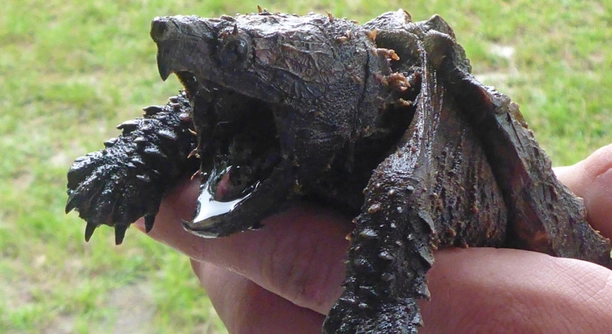
Alligator snapping turtles are unique creatures, with their shells providing protection and support. However, sometimes their shells can become too soft, which can affect their health and well-being. It’s important to know how to spot this issue.
A soft shell in alligator snapping turtles can be a sign of nutritional deficiencies, improper care, or underlying health problems. The shell should feel firm and smooth to the touch, and any softness could indicate a need for adjustments in diet or environment.
Knowing how to properly care for your alligator snapping turtle will help maintain its shell’s health. Understanding these signs ensures your pet’s well-being and longevity.
Signs of a Soft Shell
A soft shell can indicate that your alligator snapping turtle’s health is not in optimal condition. A healthy shell should be tough, rigid, and smooth to the touch. If the shell feels soft, it could be a sign of calcium deficiencies, dehydration, or poor diet. A soft shell may also be linked to improper lighting and temperature, which are essential for their shell growth and maintenance. If the shell becomes softer over time, it can lead to more severe issues, such as shell deformities or infections. Regularly inspecting the shell and monitoring its firmness can help catch this issue early.
Pay close attention to changes in the texture of the shell. If it becomes softer than usual or appears to have indents or depressions, these are clear signs that the turtle needs immediate care. A consistent, firm shell is vital for the turtle’s overall health and ability to protect itself.
Environmental factors such as temperature, humidity, and lighting can significantly affect the hardness of your turtle’s shell. If the habitat is not suitable, your turtle may not be absorbing enough UVB light or calcium from its diet, which affects shell health. This is why it is crucial to provide the correct setup with the right temperatures and lighting. Additionally, a balanced diet that includes proper amounts of calcium-rich foods is essential for maintaining a healthy, firm shell. Without these factors in place, your turtle’s shell may become soft or weak, leading to further complications. Regular check-ups and a proper diet are key to preventing shell problems.
How to Fix a Soft Shell
To help restore your alligator snapping turtle’s shell, you need to adjust their environment and diet. First, ensure that the habitat provides the correct amount of UVB light to help with calcium absorption. Next, make sure they have access to clean water and that their tank has proper filtration.
Provide your turtle with a calcium-rich diet, including foods like leafy greens, shrimp, and certain types of fish. You can also offer calcium supplements, which can help in cases of severe deficiency. Along with proper diet and lighting, maintaining the right water temperature and humidity levels is important for the turtle’s overall well-being. In some cases, taking the turtle to a vet may be necessary to address more severe cases of shell softness, where professional care can make a significant difference.
The Importance of UVB Lighting
UVB lighting is essential for the overall health of your alligator snapping turtle. Without it, your turtle won’t be able to properly process calcium, which is crucial for maintaining a strong, firm shell. Proper UVB lighting should be provided for 10-12 hours a day, mimicking natural sunlight.
Make sure the UVB light is placed at an appropriate distance from your turtle. Too far away, and your turtle won’t absorb enough of the light; too close, and it could cause burns. The UVB bulb should be replaced every six months, as its effectiveness decreases over time. Without proper UVB exposure, your turtle will struggle to maintain shell health, making it more susceptible to softening and deformities. If the lighting setup is incorrect, it can hinder the turtle’s natural ability to absorb calcium, resulting in an unhealthy shell.
It’s important to note that UVB lighting alone will not solve shell softness issues if the diet and habitat aren’t also properly maintained. A holistic approach, combining UVB light with proper nutrition and environment, will support the turtle’s ability to thrive and maintain a healthy shell. Adjusting lighting conditions to fit the needs of your turtle is a key factor in preventing issues related to shell softness.
Proper Diet and Calcium Supplements
A well-balanced diet plays a crucial role in maintaining a healthy, firm shell for your alligator snapping turtle. A lack of calcium in their diet is one of the main contributors to a soft shell. Feeding your turtle leafy greens like kale, dandelion greens, and collard greens provides necessary calcium and nutrients.
You should also include protein sources, such as shrimp, fish, and earthworms, in their diet. For added calcium, consider offering cuttlebone, which your turtle can nibble on. Calcium supplements can be added directly to their food if their diet lacks sufficient amounts. Make sure to avoid overfeeding them, as obesity can lead to other health issues.
It’s also important to monitor the turtle’s feeding schedule. Overfeeding can result in weight gain, while underfeeding can lead to nutrient deficiencies. The balance is key for maintaining a healthy shell and overall well-being. A variety of foods will not only give your turtle the nutrients it needs but also keep them interested in eating. Proper feeding, along with access to the right lighting and environment, will help your turtle’s shell stay strong.
Proper Tank Conditions
The right tank conditions are essential for your turtle’s health. If the water temperature or humidity levels are incorrect, it can impact their shell. Keep the water temperature between 75-85°F and humidity levels around 70%. Regularly check the water quality as well.
Ensure the tank has a proper filtration system to keep the water clean. Dirty water can cause stress and infection, weakening your turtle’s immune system and impacting shell health. If possible, change the water frequently to avoid any buildup of harmful substances. A clean and properly maintained tank environment promotes a healthy, strong shell.
The right water temperature also affects digestion and overall energy. If the water is too cold or warm, your turtle may become lethargic and unable to properly absorb nutrients. With the correct environment, your alligator snapping turtle can better process the food it consumes, leading to better health and a firmer shell.
Regular Veterinary Check-Ups
Even with the best care, regular veterinary check-ups are essential for monitoring your turtle’s shell health. A vet can help identify any early signs of calcium deficiencies, infections, or other health issues that you might miss.
Taking your turtle to a reptile vet ensures that they receive expert care tailored to their species. A professional can provide recommendations on diet, environment, and any necessary treatments. Regular check-ups are especially important as alligator snapping turtles can be good at hiding symptoms of illness, making it difficult to notice issues until they become severe.
Shell Softness and Stress
Stress can also contribute to a soft shell in your alligator snapping turtle. Excessive handling, improper tank mates, or an inadequate habitat can cause stress, which negatively impacts their health. Make sure the environment is calm and stable for your turtle.
If the turtle is constantly stressed, it may affect its ability to properly digest food and absorb essential nutrients. Stress weakens their immune system, making them more vulnerable to infections and other health issues. Creating a stress-free environment and limiting unnecessary disturbances can significantly improve your turtle’s well-being and shell condition.
FAQ
What causes an alligator snapping turtle’s shell to soften?
A soft shell can be caused by several factors. Nutritional deficiencies, particularly a lack of calcium, are the most common cause. Without enough calcium, the shell cannot develop properly and may become weak. Other causes can include improper lighting, inadequate UVB exposure, or an environment that is too cold or too warm. Stress and poor water quality can also play a role. It’s important to address each of these areas to help prevent and treat shell softness.
How can I tell if my alligator snapping turtle’s shell is too soft?
The simplest way to check is by gently feeling the shell. A healthy shell should feel firm and rigid. If the shell feels squishy, soft, or malleable in certain areas, it is likely too soft. Look for any signs of abnormal texture, such as indentations or unusual softness. These can indicate a serious health issue that needs immediate attention. Regular inspection is key to catching problems early.
Can a soft shell heal on its own?
In some cases, a soft shell can improve with proper care, but it requires consistent changes to the turtle’s environment and diet. If the shell is soft due to a calcium deficiency, the turtle’s diet and UVB exposure can be adjusted to help. However, if the shell has been soft for a long time, or if other issues like infections are involved, professional veterinary care may be needed to address the problem properly.
What should I feed my alligator snapping turtle to prevent shell softness?
A diet rich in calcium is crucial for maintaining a healthy, firm shell. Leafy greens such as kale, collard greens, and dandelion greens are great sources of calcium. Protein from shrimp, fish, and earthworms should also be included for overall nutrition. Additionally, providing a calcium supplement, such as cuttlebone or a specialized calcium powder, can help prevent deficiencies. It’s essential to maintain a balanced diet, as overfeeding or underfeeding can both lead to health issues.
How often should I change the water in my turtle’s tank?
The water should be changed regularly, depending on the size of the tank and the filtration system. A good rule of thumb is to replace about 25-50% of the water every week. For tanks without high-quality filtration, more frequent water changes may be necessary to keep the water clean and reduce the risk of harmful bacteria or toxins that can contribute to poor health. Keeping the water fresh is vital for your turtle’s well-being and shell health.
How do I ensure my turtle is getting enough UVB light?
Make sure the UVB light is positioned correctly in the tank. It should be placed close enough to the turtle, but not too close to cause burns. A distance of 6-12 inches is generally recommended. The UVB light should be on for about 10-12 hours each day to mimic natural sunlight. Be sure to replace the bulb every six months, as its effectiveness decreases over time, even if it still looks like it’s working. Proper UVB exposure is essential for calcium absorption and overall shell health.
What is the ideal temperature for my turtle’s tank?
The water temperature should be kept between 75-85°F. This range supports healthy digestion and ensures that the turtle’s metabolism is functioning properly. If the water is too cold, your turtle may become sluggish and unable to digest its food properly, which can lead to nutrient deficiencies, including calcium. Similarly, if the water is too warm, it can cause stress and other health issues. Maintaining the right water temperature is essential for a healthy turtle.
Can stress affect my turtle’s shell health?
Yes, stress can negatively impact your turtle’s overall health, including the condition of its shell. Stress can be caused by poor tank conditions, improper handling, loud noises, or incompatible tank mates. When stressed, your turtle may not eat properly, which can lead to nutritional deficiencies that affect shell health. Reducing stress by creating a calm, stable environment with the right lighting, temperature, and diet is essential for preventing shell issues.
How long does it take to correct a soft shell in a turtle?
The time it takes to correct a soft shell depends on the severity of the condition and how quickly the changes in diet, lighting, and habitat are implemented. In mild cases, improvement can be seen within a few weeks, while more severe cases may take several months. It is important to be patient and consistent with the turtle’s care. Regular check-ups with a veterinarian can help track progress and ensure the correct treatment is being followed.
Should I take my turtle to the vet if its shell is soft?
If your turtle’s shell is soft, it’s a good idea to consult a veterinarian, especially if the issue doesn’t improve after adjusting diet and habitat. A vet can perform a thorough examination to determine the cause of the shell softness, whether it’s a calcium deficiency, infection, or another health issue. Prompt veterinary care is important to prevent long-term damage and ensure the turtle’s health.
Final Thoughts
Maintaining a healthy, firm shell for your alligator snapping turtle is essential for its overall well-being. Softness in the shell is often a sign that something is off with the turtle’s environment or diet. It can be caused by a calcium deficiency, improper lighting, or stress, among other factors. By addressing these issues promptly, you can help your turtle recover and prevent further complications. Regularly monitoring the water temperature, humidity levels, and ensuring the turtle gets the proper nutrition can make a significant difference in the health of its shell.
If you notice any signs of shell softness, it’s important to act quickly. Start by adjusting the turtle’s diet, making sure it’s getting enough calcium and other essential nutrients. Additionally, ensure the turtle has access to proper UVB lighting to aid in calcium absorption. Taking the time to make these changes can have a positive effect on your turtle’s shell health. However, if the problem persists or worsens, it’s wise to consult with a veterinarian who specializes in reptiles. They can provide a more accurate diagnosis and recommend specific treatments to address the issue.
Ultimately, the key to maintaining a healthy alligator snapping turtle is creating a stable and supportive environment. This includes providing proper tank conditions, a balanced diet, and reducing stress factors that could affect the turtle’s health. Regular check-ups with a reptile vet are also essential to catch any potential problems early. By staying vigilant and proactive, you can ensure your turtle remains healthy and happy, with a strong and firm shell that allows it to thrive.

Hello,
If you enjoy the content that we create, please consider saying a "Thank You!" by leaving a tip.
Every little bit helps us continue crafting quality advice that supports the health, happiness, and well-being of pets around the world, for pets of all shapes, sizes, and species.
We really appreciate the kindness and support that you show us!