
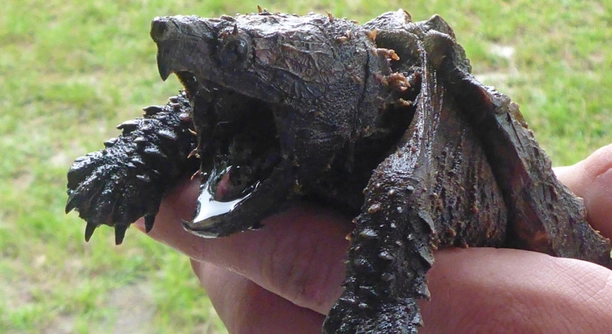
An alligator snapping turtle is a unique pet that requires specific care, especially when it comes to temperature. Understanding their temperature needs is essential for their health and well-being, as they are sensitive to heat and cold.
The ideal temperature for an alligator snapping turtle is between 75-85°F (24-29°C). If the temperature falls outside this range, it can affect their activity, feeding, and overall health. Signs of discomfort may include lethargy or excessive basking.
Maintaining the proper temperature for your turtle is crucial for their comfort and long-term health. Ensuring their environment is stable will help prevent stress and other issues.
How Temperature Affects Your Alligator Snapping Turtle’s Behavior
The temperature of your alligator snapping turtle’s habitat plays a significant role in how it behaves. If it’s too hot or too cold, your turtle might not act as it normally does. They are cold-blooded creatures, meaning their body temperature adjusts based on the surrounding environment. When the water or basking area is too warm, your turtle may spend more time in the water to cool off, often becoming less active. On the other hand, if the temperature is too cold, it may move slowly and refuse to eat, indicating it is too chilly to function properly. It’s important to regularly monitor the temperature of both the water and the basking areas to ensure your turtle stays comfortable.
Even small fluctuations in temperature can have an impact. By keeping the temperature in the right range, your turtle will feel more at ease, leading to a more active and healthy pet.
If you notice your turtle moving less, not eating, or hanging around one spot, it’s time to check the temperature. Sometimes, the simplest adjustment can solve the problem.
Maintaining the Right Temperature Range
For alligator snapping turtles, maintaining a steady temperature is critical for their well-being. The water temperature should be between 75-85°F (24-29°C), and the basking area should be slightly warmer, around 85-90°F (29-32°C). These ranges allow your turtle to regulate its body temperature comfortably. It’s crucial to invest in a reliable thermometer to keep track of temperature changes in both areas of the habitat. A slight drop or rise in temperature can affect their metabolism, causing them to become lethargic or uninterested in food.
Using an underwater heater in the tank is a common solution to maintain a stable water temperature. The heater should be rated for the size of your turtle’s tank to ensure that it can keep the water at a consistent temperature. Additionally, heat lamps or UVB bulbs can be used to maintain the basking spot’s temperature. These lamps not only provide heat but also offer essential UVB light for your turtle’s overall health, aiding in calcium absorption. Make sure to adjust the height of the lamp to avoid overheating, as excessive heat can cause stress.
Regularly monitor the setup to ensure that both water and basking spots are within the proper range. Avoid placing the tank in direct sunlight or near drafts to prevent sudden temperature fluctuations that could harm your turtle.
Signs of Temperature Stress
It’s easy to miss when your alligator snapping turtle is under temperature stress, especially if the changes are gradual. Pay attention to any noticeable behavior changes. A lack of activity or feeding is often a sign that something isn’t quite right. If your turtle is spending too much time in the water without basking, it might be too hot. If it stays at the bottom of the tank or shows little movement, the temperature could be too cold. These changes may not seem significant at first, but over time, they can lead to health problems.
By keeping the temperature within the recommended range, you help ensure your turtle stays active and healthy. Make sure you also provide hiding spots or areas to cool off if needed.
Monitoring Temperature with Thermometers
Using accurate thermometers is essential for ensuring your turtle’s habitat is at the right temperature. They help you track both water and air temperature to prevent fluctuations. Digital thermometers are reliable and can provide a precise reading, giving you confidence that the environment is stable.
Place one thermometer in the water and one near the basking area to measure both zones. This ensures that both parts of the tank are within the proper range. Avoid using outdated or analog thermometers, as they can be inaccurate. Check the readings regularly to ensure the setup is optimal for your turtle.
Thermometers come in many forms, such as floating or mounted options. It’s best to choose one that suits your tank’s size and setup. Using multiple thermometers can also help you cross-check readings for accuracy. By regularly checking, you can make adjustments before your turtle becomes stressed from incorrect temperatures.
The Importance of Heating Equipment
Proper heating equipment is vital to maintaining a consistent environment. Alligator snapping turtles rely on the heat from both water heaters and basking lamps to regulate their body temperature. Without adequate heating, their metabolism can slow down, leading to health problems.
Invest in a quality water heater that matches the size of your tank. Heaters should be reliable and have automatic shut-off features to avoid overheating. Consider adding a thermostat or heater guard to prevent any accidents. A stable temperature will encourage natural behaviors, such as basking and feeding, and ensure your turtle’s comfort.
The basking area also needs its own heat source. UVB lamps help with this while also providing the necessary light for calcium absorption. Overheating from lamps can be harmful, so ensure they are placed at the proper distance from the basking spot.
Adjusting Temperature for Seasonal Changes
As seasons change, so does the environment around your turtle. During colder months, you may need to increase heating to maintain the proper temperature. Conversely, warmer weather may require adjustments to prevent overheating. Keep an eye on the forecast and adjust your equipment accordingly.
In colder months, consider using a more powerful water heater to ensure the water stays warm enough. For basking spots, a higher wattage UVB lamp can help maintain the temperature. During warmer months, ensure the basking spot doesn’t get too hot by adjusting the lamp height. Regular checks are necessary to keep the habitat stable.
Changing temperatures outside the tank can also impact your turtle’s environment. Avoid placing your tank near windows, air conditioning units, or heating vents, as these can create drafts or hot spots that disturb the balance.
Water Temperature vs. Basking Spot Temperature
Water temperature and basking spot temperature are both critical for your turtle’s health. The water needs to be warm enough to keep your turtle active, but not too hot to cause stress. The basking spot provides the necessary warmth for digestion and UVB light exposure.
Too much heat in the water can make your turtle uncomfortable, causing it to spend less time swimming or feeding. Conversely, if the water is too cold, your turtle may not digest food properly. Ensuring that both the water and basking spot are within the recommended temperature ranges is essential for overall health.
A difference between water and air temperature also allows your turtle to regulate its body temperature. Your turtle can move between the two areas, adjusting its position to stay comfortable and healthy.
Temperature and Turtle Feeding Habits
Temperature affects how often and what your turtle eats. When the temperature is too low, your turtle may not feel like eating or may eat less frequently. As the temperature warms up, feeding behaviors should return to normal.
If your turtle’s appetite seems reduced, check the temperature to ensure it falls within the recommended range. A turtle that is too cold may avoid food or take longer to eat. Over time, this can affect its health and growth. By keeping the environment stable, you encourage healthy feeding habits, which help your turtle thrive.
FAQ
What is the ideal temperature for an alligator snapping turtle’s habitat?
The ideal water temperature for your alligator snapping turtle should range between 75-85°F (24-29°C). The basking area needs to be warmer, ideally around 85-90°F (29-32°C). Keeping both areas within these ranges ensures that your turtle can regulate its body temperature and remain healthy.
How can I check the temperature of my turtle’s tank?
You should use reliable thermometers to monitor both the water and basking spot temperatures. Place one thermometer in the water and another near the basking area. A digital thermometer is most accurate, and it’s important to check the temperature regularly to ensure it stays consistent.
Can my alligator snapping turtle survive in cold temperatures?
Alligator snapping turtles are sensitive to cold temperatures and cannot survive for long in water colder than 60°F (15°C). Prolonged exposure to cold can lead to lethargy, reduced feeding, and even death. If the water temperature drops too low, consider using a water heater to maintain a comfortable temperature.
How do I prevent my alligator snapping turtle’s habitat from getting too hot?
If the temperature is getting too high, especially in warmer months, adjust your basking light or heater to avoid overheating. Check the placement of heat lamps to ensure they are not too close to the basking area. You can also reduce the wattage of the heat source if necessary.
What signs show that my turtle is too hot?
If your alligator snapping turtle is too hot, it may spend excessive time in the water trying to cool off or avoid basking altogether. It might also display signs of stress, like rapid breathing, lethargy, or a lack of appetite. Keeping track of the temperature can help prevent this.
What happens if the water temperature is too cold?
If the water is too cold, your turtle will become sluggish and might avoid eating. It could also spend most of its time in one spot, trying to warm up. Prolonged exposure to cold water can lead to health problems, so it’s important to maintain the right temperature.
Can I use a regular aquarium heater for an alligator snapping turtle’s tank?
Yes, you can use a regular aquarium heater, but make sure it is powerful enough for the size of your tank. Ensure the heater is rated for the volume of water in your turtle’s habitat and always choose one with an automatic shut-off feature to prevent overheating.
How often should I check the temperature of my turtle’s habitat?
It’s best to check the temperature daily, especially if there are seasonal changes. Regular checks will allow you to catch any temperature fluctuations early. Inconsistent temperatures can stress your turtle, so consistency is key for its overall well-being.
Is it necessary to have a basking area with UVB lighting for my turtle?
Yes, providing a basking area with UVB lighting is essential. UVB light helps your turtle absorb calcium and promotes overall health. The basking area should also be heated to the proper temperature to encourage your turtle to climb out of the water and rest.
Can temperature fluctuations harm my alligator snapping turtle?
Yes, sudden temperature changes can cause stress and make your turtle more susceptible to illness. It’s essential to keep both the water and basking area at consistent temperatures. If you notice temperature fluctuations, adjust your heating equipment to maintain a stable environment.
How do I adjust the temperature in my alligator snapping turtle’s tank?
You can adjust the temperature by using a water heater for the tank and adjusting the distance or wattage of the basking light. If the tank is too warm, lower the wattage of the heat lamp. If it’s too cold, increase the wattage or add a more powerful water heater.
Can my alligator snapping turtle tolerate direct sunlight?
Direct sunlight should be avoided as it can cause rapid temperature fluctuations in the tank. Sunlight can create hot spots that stress your turtle and may cause overheating. Instead, use controlled heat sources like UVB lamps and basking lights to maintain a stable environment.
How do I know if my alligator snapping turtle is too cold?
Signs that your turtle is too cold include lethargy, lack of appetite, and staying at the bottom of the tank or in one spot. Your turtle might also swim slower than usual. Ensure the water temperature is within the proper range to avoid these problems.
Should I provide a hiding spot for my alligator snapping turtle?
Yes, alligator snapping turtles benefit from having hiding spots in their tanks. This gives them a sense of security and allows them to escape from the heat if they feel too warm. It also helps reduce stress, which can negatively impact their health.
How can I maintain a consistent temperature in my turtle’s habitat?
Use high-quality heaters and thermometers to monitor the temperature. Place the tank in an area that is not subject to drafts or temperature swings. If you live in an area with extreme temperature changes, consider using a thermostat-controlled heater to keep the environment stable.
What temperature range is best for my alligator snapping turtle’s basking area?
The basking area should be between 85-90°F (29-32°C) for optimal health. A heat lamp should be used to keep this area warm enough for your turtle to bask, absorb UVB light, and regulate its body temperature.
Can temperature stress affect my turtle’s behavior?
Yes, if the temperature is too high or too low, your turtle may become stressed and exhibit abnormal behavior. This could include lack of appetite, less movement, or spending too much time in the water. Maintaining a stable temperature will help keep your turtle active and healthy.
Final Thoughts
Maintaining the right temperature for your alligator snapping turtle is crucial for its health and well-being. These turtles thrive in warm environments, with water temperatures ranging from 75-85°F (24-29°C) and basking areas slightly warmer. Ensuring that your turtle has a proper basking spot, with temperatures between 85-90°F (29-32°C), is also vital for it to regulate its body temperature. Without the right heat sources, your turtle may struggle with digestion, energy levels, and overall health.
In addition to temperature, consistency is key. Fluctuating temperatures can stress your turtle and lead to health problems. It is important to monitor the water and basking area regularly to keep both at stable, appropriate levels. If you notice signs of discomfort in your turtle, such as lethargy, lack of appetite, or unusual behavior, the first thing to check should be the temperature of the habitat. A quick adjustment to the tank’s heating system can often resolve these issues and restore your turtle to its active, healthy state.
Alligator snapping turtles also require a balanced environment beyond temperature. Proper lighting, including UVB light for calcium absorption, and clean, filtered water are essential components of a healthy habitat. A temperature-controlled tank with the right lighting and water quality will help ensure your turtle lives a long, healthy life. Taking time to understand your turtle’s needs and maintaining its habitat is key to preventing any temperature-related stress and promoting a thriving, happy turtle.

Hello,
If you enjoy the content that we create, please consider saying a "Thank You!" by leaving a tip.
Every little bit helps us continue crafting quality advice that supports the health, happiness, and well-being of pets around the world, for pets of all shapes, sizes, and species.
We really appreciate the kindness and support that you show us!