
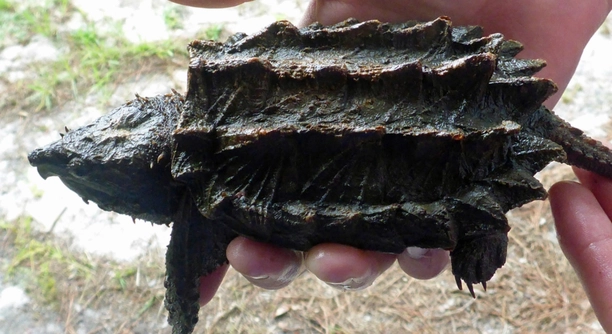
Alligator snapping turtles are fascinating creatures that require special care. Knowing how to ensure they are happy can make a big difference in their well-being. Understanding their behavior and needs is key to keeping them healthy.
The happiest alligator snapping turtles show signs of good health, active behavior, and proper eating habits. They swim regularly, feed well, and display a calm demeanor when handled. These are all indicators of a turtle in a good state of mind.
Being aware of these signs will help ensure your turtle’s health and contentment.
How to Recognize Happy Behavior in Your Alligator Snapping Turtle
A happy alligator snapping turtle is an active one. These turtles are naturally slow-moving, but they will swim around their habitat if they feel comfortable. When content, they might even move toward you or other areas of their enclosure, showing curiosity. They might bask in the sunlight or rest in their favorite spots, but they won’t sit in one place for long if they are feeling good. When a turtle is healthy and happy, their movements are fluid, and they don’t seem sluggish or lethargic. It’s important to pay attention to how often they move or interact with their environment, as this is a major indicator of their overall well-being.
A healthy, happy alligator snapping turtle is also alert. If they are constantly hiding or sitting at the bottom of the tank, something might be wrong.
Good feeding habits also signal a happy turtle. They will actively seek food when it’s offered and eagerly eat without hesitation. These turtles can be picky, but if they show interest in their meals, it’s a good sign.
How to Ensure Your Alligator Snapping Turtle’s Comfort
Your turtle’s environment plays a huge role in their happiness. The water temperature should be kept between 72°F and 78°F for optimal health. The tank should also be large enough to allow them to roam and explore, with hiding places where they can retreat when they need some alone time. Alligator snapping turtles like to have some variety in their environment, so adding plants or rocks can give them a sense of security and mental stimulation. The water quality is crucial too—dirty water can lead to stress and illness.
Feeding them properly is equally important. They thrive on a varied diet that includes fish, shrimp, and other protein-rich foods. A healthy diet leads to better energy levels, which directly affects their mood. If you notice your turtle is eating less or not eating at all, that could be a sign of stress or health problems that should be addressed quickly.
Creating the right balance in their environment and diet will help your turtle feel safe, happy, and healthy.
Recognizing Signs of Stress in Your Alligator Snapping Turtle
A stressed alligator snapping turtle may become more reclusive and stay hidden for long periods. If your turtle isn’t moving around much or shows less interest in eating, it could be a sign of stress or discomfort. Stress can be caused by environmental factors like poor water quality or temperature issues.
Pay attention to your turtle’s behavior and surroundings. If they start acting unusually aggressive or appear to be constantly trying to escape, there may be a problem. Sometimes, excessive hiding or refusal to eat signals that they are stressed due to changes in their habitat. Alligator snapping turtles are creatures of habit, so any sudden disruptions might make them anxious.
Examine the water and tank conditions carefully. Keep an eye on the temperature, water filtration, and cleanliness. If you’ve recently introduced new items to their tank, like different décor or lighting, they might need time to adjust.
The Role of Temperature in Turtle Happiness
Water temperature plays a huge role in your turtle’s mood. If the water is too cold or too warm, it can cause discomfort or even illness. Ideal temperatures range from 72°F to 78°F. Anything outside of this range could cause stress and affect their ability to eat or move properly.
Make sure your tank has a heating element to maintain consistent temperatures. Using a thermometer inside the tank will help you keep track of changes. If the water is too cold, your turtle may become lethargic, lose appetite, and even become more vulnerable to infections. Conversely, if it’s too warm, they might become sluggish or stressed. Monitoring the water temperature is key to their well-being.
Maintaining the right water temperature will ensure your alligator snapping turtle stays active, healthy, and content. Proper heating in the tank is essential for overall comfort.
Proper Diet for Your Alligator Snapping Turtle
A balanced diet is vital for your turtle’s happiness. They are carnivores and thrive on a diet of live fish, shrimp, and various protein-rich foods. Offering variety in their meals ensures they get all the nutrients needed for good health.
You can occasionally provide them with some leafy greens or other aquatic plants, but protein should remain the focus. Make sure the food is appropriately sized for your turtle to avoid choking. Overfeeding can lead to obesity, while underfeeding may cause lethargy and health problems. Offering food in moderation will help maintain their well-being.
Tank Cleanliness and Water Quality
A clean tank is essential for a happy and healthy alligator snapping turtle. Regular water changes are necessary to keep their habitat free of harmful toxins. You should clean the tank at least once a week, and more frequently if needed.
Investing in a quality filtration system can help maintain the water’s cleanliness. It’s also important to check the water’s pH, ammonia, and nitrate levels regularly. Poor water quality can cause your turtle to become stressed and increase the risk of illness. Keeping the environment clean helps reduce stress and promotes a healthier, more content turtle.
Regular Interaction and Observation
Even though alligator snapping turtles are solitary creatures, they still benefit from regular interaction. Spending time observing your turtle will allow you to monitor their behavior and health. If you notice anything unusual, such as changes in appetite or movement, you can address potential issues before they become serious.
FAQ
How can I tell if my alligator snapping turtle is sick?
A sick alligator snapping turtle will often show signs like lethargy, lack of appetite, or difficulty swimming. You may also notice changes in their shell, such as soft spots, or their eyes may appear swollen or cloudy. If your turtle is breathing heavily or showing signs of distress, it’s important to consult a vet specializing in reptiles. Keep an eye on their behavior, eating habits, and physical appearance. If something seems off, don’t wait too long to seek help.
What should I do if my turtle isn’t eating?
If your turtle isn’t eating, check for potential issues like water temperature or water quality. Turtles are sensitive to changes in their environment, and poor conditions may cause them to lose their appetite. Stress or illness can also lead to a lack of appetite. If the problem persists for several days, it’s best to consult a veterinarian to rule out health issues. Sometimes, offering different foods or adjusting their feeding schedule can help spark interest in food.
Can my alligator snapping turtle live with other pets?
Alligator snapping turtles are typically solitary animals and can become aggressive toward other tank mates, especially smaller ones. It’s safest to keep them in a tank on their own. If you choose to house them with other pets, make sure they are compatible and won’t compete for food or space. Always monitor their interactions closely to avoid aggression or injury.
How big should my turtle’s tank be?
The minimum tank size for an alligator snapping turtle is about 75 gallons, but a larger tank is always better. These turtles need plenty of space to swim and explore. A bigger tank will also allow you to maintain better water quality and provide hiding spots for your turtle to feel secure. As they grow, they will require more space, so be prepared to upgrade their habitat as needed.
How do I maintain my turtle’s habitat?
To maintain your turtle’s habitat, regularly clean the tank, filter, and change the water. A good filtration system is crucial for keeping the water clean. Test the water’s pH, ammonia, and nitrate levels to ensure they’re within safe ranges. Make sure your turtle’s basking area is dry and warm, while the water area should be kept cool and clean. Maintain the correct water temperature of around 72°F to 78°F. The proper environment ensures your turtle stays healthy and happy.
What is the best water temperature for my turtle?
The ideal water temperature for an alligator snapping turtle is between 72°F and 78°F. If the water is too cold, your turtle will become sluggish, and if it’s too warm, they may become stressed. A reliable aquarium heater and thermometer will help you maintain the perfect temperature. Avoid sudden temperature fluctuations, as these can cause your turtle unnecessary stress.
How often should I feed my alligator snapping turtle?
Adult alligator snapping turtles should be fed two to three times a week, while younger turtles may need to be fed more often, around four to five times per week. It’s important to monitor their weight and adjust feeding frequency based on their individual needs. Always offer a variety of protein-rich foods like fish, shrimp, and aquatic insects to keep their diet balanced and healthy.
Can alligator snapping turtles live in fresh or saltwater?
Alligator snapping turtles are freshwater turtles, so they should only be kept in fresh water. They are not adapted to live in saltwater and could suffer from health problems if placed in such an environment. Ensure that the water in their tank is fresh and clean, with proper filtration to maintain the quality.
Do alligator snapping turtles need UV light?
Yes, alligator snapping turtles need access to UVB light. UVB light is important for their health because it helps them produce vitamin D3, which is essential for calcium absorption. Without adequate UVB light, they may develop shell deformities and other health issues. You can provide UVB light through special reptile bulbs, making sure the turtle has a basking spot under the light.
How long do alligator snapping turtles live?
Alligator snapping turtles can live for a long time, often between 30 to 50 years in captivity if cared for properly. Some may even live longer. With proper tank conditions, a balanced diet, and regular health monitoring, they can be a lifelong companion.
Why is my turtle’s shell soft?
A soft shell may be a sign of calcium deficiency, improper diet, or insufficient UVB lighting. Without adequate calcium intake or UVB exposure, a turtle cannot properly develop or maintain a strong shell. Ensure that your turtle is getting the right foods, such as calcium-rich supplements or cuttlebone, and provide proper lighting. If the condition persists, a visit to a vet may be necessary.
Can my alligator snapping turtle be handled?
Alligator snapping turtles are generally not fond of being handled and may become stressed if picked up too frequently. While occasional gentle handling is okay, it’s important to limit this to prevent anxiety. If you need to move your turtle, always do so carefully and avoid holding them for long periods. Let them explore their tank or bask in peace without too much interference.
Final Thoughts
Taking care of an alligator snapping turtle requires patience, attention, and the right environment. These unique reptiles have specific needs when it comes to their habitat, diet, and health. Providing a clean tank with proper filtration, maintaining the right water temperature, and ensuring they get the right nutrients are all important steps for keeping them happy. A consistent routine will help them feel secure and comfortable in their environment.
Monitoring your turtle’s behavior closely can give you early signs if something is wrong. If they are eating well, moving around, and not showing signs of stress, you’re likely on the right track. However, if your turtle seems lethargic, is hiding too much, or refuses to eat, it’s important to investigate further. Stress, poor water conditions, or illness can affect their well-being, so always pay attention to their needs and make adjustments as necessary. Regular observation is key to making sure they stay healthy and content.
By understanding your turtle’s behavior, environment, and diet, you can provide the best possible care. Remember that an alligator snapping turtle can live for many years, so the effort you put into their care will be well worth it in the long run. With the right care, your turtle can thrive and live a long, healthy life, making your efforts truly rewarding.

Hello,
If you enjoy the content that we create, please consider saying a "Thank You!" by leaving a tip.
Every little bit helps us continue crafting quality advice that supports the health, happiness, and well-being of pets around the world, for pets of all shapes, sizes, and species.
We really appreciate the kindness and support that you show us!