
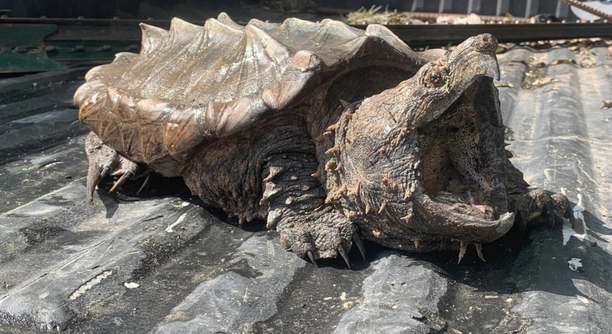
Alligator snapping turtles are fascinating creatures, known for their unique appearance and behaviors. However, like many animals, they can display signs of stress or discomfort when they feel threatened. Understanding these signs can help ensure their well-being.
When an alligator snapping turtle feels threatened, it may exhibit behaviors such as hissing, opening its mouth wide, or rapidly retreating into its shell. It is important to recognize these signs as a way to prevent further stress.
Being aware of these behaviors is crucial in providing proper care and ensuring your turtle feels safe.
Signs of a Threatened Alligator Snapping Turtle
Alligator snapping turtles are known for their calm demeanor, but they do not hesitate to react when they feel threatened. Some of their most noticeable defensive behaviors include retracting into their shells, flaring their jaws, or even hissing. These signs can be crucial to recognize, especially in environments where these turtles interact with people or other animals. In the wild, such reactions serve as a means of protection, warning predators or other potential threats to stay away.
Recognizing these behaviors early helps prevent stress for your turtle and can ensure a safer environment for both the turtle and those around it. A stressed turtle may refuse to eat or become more reclusive, which can impact its overall health.
Proper handling of an alligator snapping turtle is vital. Avoiding sudden movements or loud noises around the turtle can reduce the chance of it feeling threatened. Ensuring that its enclosure is free of disturbances and providing hiding spots will also allow the turtle to feel secure. Creating a peaceful, predictable environment is key to reducing stress in these reptiles.
How to Handle an Alligator Snapping Turtle Safely
Handling an alligator snapping turtle requires patience and care. If you need to move your turtle or interact with it, do so slowly and gently. Sudden movements can cause it to feel threatened and lead to defensive behavior. Always approach from the front so the turtle can see you and doesn’t feel surprised.
Never grab a turtle by its tail, as this can cause injury or distress. Instead, gently lift it by the sides of its shell, supporting its weight evenly. Being calm and deliberate helps prevent startling the turtle and reduces the chances of it reacting defensively.
A good rule of thumb is to only handle the turtle when necessary. Alligator snapping turtles are more at ease when left to their own devices, so respect their space and only intervene if required. With the right handling techniques, you can avoid causing undue stress and maintain a healthy relationship with your turtle.
Understanding Alligator Snapping Turtle Behavior
An alligator snapping turtle will often display defensive behaviors when it feels threatened. These behaviors include hissing, opening its mouth wide, and retracting into its shell. Recognizing these signs can help you understand how to make the turtle feel more secure and avoid further stress.
If the turtle is startled, it may retreat into its shell for protection. This is a natural response, and forcing it out of its shell can cause unnecessary stress. If the turtle begins to hiss, it is also a warning that it feels threatened. It’s essential to respect these signals and back away gently to help the turtle calm down. By observing the turtle’s reactions, you can learn to interact in a way that ensures both its comfort and safety.
In captivity, an alligator snapping turtle may feel particularly vulnerable due to unfamiliar surroundings or constant handling. It’s essential to provide the turtle with a safe, quiet space where it can retreat and feel protected from external threats. Limiting interactions and maintaining a consistent routine can help reduce stress and make the turtle feel secure.
Creating a Safe Environment for Your Turtle
To minimize stress, it’s vital to create an environment that allows the alligator snapping turtle to feel safe. The enclosure should offer a quiet, undisturbed space where the turtle can retreat. A tank with rocks and hides gives the turtle an opportunity to isolate itself when feeling threatened.
Lighting and water temperature should also be appropriate for the species. Too much light or sudden temperature changes can stress out the turtle. It’s important to maintain a stable environment with proper humidity levels and filtered water. If the tank is in a high-traffic area, consider moving it to a quieter spot in the house to help the turtle feel more comfortable and secure.
The addition of natural decorations such as plants or branches can make the turtle feel more at home, mimicking its natural environment. Keeping the habitat clean and providing access to food and water will ensure the turtle’s overall well-being. A calm environment encourages the turtle to feel less threatened and more relaxed.
Recognizing Stress Indicators in Alligator Snapping Turtles
Stress in alligator snapping turtles can often be identified through their body language. If the turtle begins to display erratic behavior, such as rapid movements or excessive hiding, it could be a sign that it feels threatened.
Another sign of stress is when the turtle refuses to eat or becomes more reclusive. This can be an indication that it is feeling unsafe in its environment. If these behaviors continue, it’s important to assess the tank conditions and ensure they are appropriate. Creating a calm and stable space is crucial to preventing these signs of stress.
Providing Proper Nutrition
Diet plays a crucial role in the health and behavior of an alligator snapping turtle. A balanced diet of aquatic animals, such as fish, worms, and insects, helps keep the turtle physically healthy and less stressed. Proper nutrition supports its immune system, reducing the chance of illness that can lead to heightened stress levels.
It’s also essential to provide a variety of foods to ensure the turtle is receiving all the necessary nutrients. Overfeeding or underfeeding can cause stress. Ensuring the turtle has access to fresh, clean water at all times is equally important for its well-being.
Keeping the Tank Clean
A clean tank is vital for the health of an alligator snapping turtle. Regular water changes are necessary to keep the environment free from harmful bacteria and pollutants. A dirty tank can contribute to stress, making the turtle more prone to defensive behaviors.
A filtration system will help maintain water quality, but it’s important to also manually clean the tank regularly. Make sure to remove any debris and check the temperature and pH levels of the water to ensure they’re within the proper range. A clean, healthy environment will promote a calmer, more secure turtle.
FAQ
How can I tell if my alligator snapping turtle is feeling threatened?
An alligator snapping turtle shows signs of being threatened through its body language. Common indicators include hissing, opening its mouth wide, and withdrawing into its shell. The turtle might also become more aggressive and display erratic movements. If it feels cornered or scared, it could react defensively. Pay attention to these signs and allow the turtle to calm down by providing a safe, quiet space. Never force it to interact if it is displaying these behaviors, as this could increase its stress levels.
What should I do if my turtle hisses at me?
Hissing is one of the most obvious signs of distress. If your alligator snapping turtle hisses at you, it is a clear signal that it feels threatened or uncomfortable. Step back slowly and give the turtle some space. Avoid sudden movements that might intensify the situation. Keep in mind that hissing is part of the turtle’s natural defense mechanism, so it’s essential to respect its boundaries. If this behavior occurs frequently, you may need to assess its environment and make adjustments to reduce stress.
Can my alligator snapping turtle become aggressive?
Yes, alligator snapping turtles can exhibit aggressive behavior if they feel threatened or cornered. They may use their strong jaws as a defense mechanism to protect themselves. Aggressive behaviors can also occur during mating season or if the turtle feels its territory is being encroached upon. If your turtle is acting aggressively, it’s important to reduce stressors in its environment, such as loud noises, handling, or overcrowding. Make sure it has a quiet, secure space where it can retreat and feel safe.
How can I make my alligator snapping turtle feel safe?
To make your alligator snapping turtle feel safe, create a calm and secure environment. Ensure its tank is free from disturbances and located in a quiet area of your home. Provide plenty of hiding spots, such as rocks or plants, where the turtle can retreat when feeling threatened. Maintain consistent water temperature, lighting, and water quality to prevent stress. Avoid overhandling the turtle and respect its space, allowing it to come out of its shell on its own. A peaceful environment will help reduce stress and encourage a healthier, more comfortable turtle.
What temperature should I keep my alligator snapping turtle’s tank?
The water temperature for an alligator snapping turtle should be between 72°F and 78°F (22°C to 26°C). This range mimics the turtle’s natural habitat, ensuring it stays comfortable and healthy. Water that is too cold can slow the turtle’s metabolism, leading to lethargy or health problems, while excessively warm water may cause stress. Use a reliable aquarium heater and thermometer to maintain consistent temperatures. Proper heating, along with filtration, will help create an ideal environment for the turtle, reducing the chances of stress-related behavior.
Can I keep multiple alligator snapping turtles together?
Alligator snapping turtles can be territorial, especially during mating season. While it is possible to keep multiple turtles together, it’s not always recommended. If they feel crowded or threatened, they may become aggressive. To avoid conflict, make sure each turtle has its own space, and provide ample hiding spots. If you notice aggressive behaviors, consider separating them to reduce stress and prevent injury. Always monitor their interactions closely, especially in the early stages of housing multiple turtles together.
How do I properly handle an alligator snapping turtle?
Handling an alligator snapping turtle requires care. Never grab the turtle by its tail, as this can cause injury. Instead, gently lift it from the sides of its shell, supporting its weight evenly. Approach the turtle calmly, and avoid sudden movements that might startle it. When handling, keep it close to the ground to prevent injury if it attempts to escape. Limit handling to avoid stressing the turtle and only do so when necessary. The less handling, the better, as these turtles are naturally more relaxed when left undisturbed.
What do alligator snapping turtles eat?
Alligator snapping turtles are carnivorous and have a diet that consists mainly of aquatic animals. They enjoy eating fish, worms, insects, and small amphibians. You can also offer them a variety of crustaceans, such as crayfish, or other meats. In captivity, it’s important to provide a balanced diet to ensure the turtle is getting all the nutrients it needs. Avoid feeding your turtle food that is too high in fat, as this can lead to health problems. Make sure to provide fresh, clean water for your turtle at all times.
How often should I feed my alligator snapping turtle?
Young alligator snapping turtles should be fed every other day, while adult turtles can be fed 2-3 times a week. Overfeeding can cause obesity and digestive problems, so it’s important to monitor their food intake and adjust accordingly. Always offer a variety of foods to ensure the turtle gets a balanced diet. Remove any uneaten food after a few hours to prevent it from fouling the water. It’s important to maintain a regular feeding schedule, as it helps keep your turtle healthy and active.
What type of tank should I use for an alligator snapping turtle?
Alligator snapping turtles require a large tank to accommodate their size and provide enough swimming space. A 75-gallon tank is the minimum recommended size for one turtle, but larger is always better. The tank should include both land and water areas to allow the turtle to bask and swim. Use a strong filtration system to maintain water quality, as these turtles produce a lot of waste. The tank should also be securely covered to prevent the turtle from escaping. Make sure to keep the water temperature and pH levels within the appropriate range for your turtle’s health.
Final Thoughts
Alligator snapping turtles are fascinating creatures with unique behaviors that can sometimes be misunderstood. Recognizing when they feel threatened is crucial to ensuring their well-being. By paying close attention to their body language and adjusting their environment to reduce stress, you can keep them healthy and comfortable. These turtles are naturally solitary and prefer a calm, secure environment where they can retreat if needed. Creating a peaceful habitat for them to thrive in will help minimize defensive behaviors, like hissing or aggression, which can be signs of discomfort. Understanding these signals and how to respond appropriately ensures your turtle lives in a safe, stress-free environment.
In addition to recognizing and managing threats, it’s important to provide your alligator snapping turtle with the proper care. This includes creating the right environment, feeding them a balanced diet, and maintaining proper water conditions. These turtles require a lot of space to move, so it’s essential to have a tank that can accommodate their size and needs. The right water temperature and a clean habitat will go a long way in preventing stress and promoting a healthy life. Avoid excessive handling, as this can further stress the turtle, and always observe its behavior to ensure it’s not feeling cornered or threatened.
Ultimately, caring for an alligator snapping turtle requires patience and understanding. They are naturally shy creatures that thrive best in a quiet, well-maintained space. By respecting their boundaries and offering them the right care, you can ensure that they lead a long, healthy life. If you notice signs of stress or aggression, reassess their environment and make any necessary changes to help them feel more secure. With the right attention to their needs, your alligator snapping turtle can enjoy a peaceful, stress-free life in your care.

Hello,
If you enjoy the content that we create, please consider saying a "Thank You!" by leaving a tip.
Every little bit helps us continue crafting quality advice that supports the health, happiness, and well-being of pets around the world, for pets of all shapes, sizes, and species.
We really appreciate the kindness and support that you show us!