
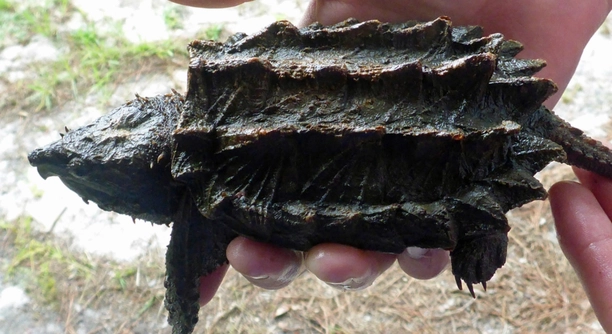
Alligator snapping turtles are fascinating creatures, but they can sometimes develop health issues like respiratory infections. Knowing how to identify and treat these infections is important for their well-being. Understanding the signs can make a big difference.
Respiratory infections in alligator snapping turtles can be identified by symptoms such as wheezing, labored breathing, or mucus around the nose or mouth. If left untreated, these infections can worsen, potentially leading to more severe health complications.
Recognizing these signs early is key to helping your turtle recover. By monitoring your turtle’s behavior and health, you can take the right steps to ensure they stay healthy and happy.
Signs of a Respiratory Infection in Your Alligator Snapping Turtle
Respiratory infections in alligator snapping turtles can sometimes be tricky to spot. Look for common signs like wheezing, labored breathing, or a decrease in appetite. If you notice your turtle floating at the surface more often or having trouble diving, this could indicate a respiratory issue. The mucus around the nose and mouth is another clear sign that something’s wrong. Sometimes, you might notice a change in their behavior—becoming lethargic or hiding more than usual. Any abnormality in their movement or activity should raise concerns. It’s essential to catch these symptoms early to prevent the infection from getting worse.
Even subtle signs can mean your turtle needs attention. You don’t need to wait for major symptoms to appear. It’s important to stay vigilant and monitor your turtle’s behavior regularly. Early detection is key.
If your turtle is showing symptoms like these, it’s time to act. Respiratory infections can quickly turn serious. If left untreated, the infection can spread, potentially leading to pneumonia or other complications. The earlier you identify the signs, the better. Make sure to keep your turtle’s tank clean and maintain proper water temperature, as poor conditions can contribute to respiratory issues. The next step is getting your turtle to a vet, who can provide a diagnosis and prescribe the right treatment.
How to Treat Respiratory Infections
Once you’ve identified the symptoms, it’s time to focus on treatment. A vet is the best option for diagnosing the exact problem and prescribing antibiotics if necessary. In some cases, warm water baths can help soothe your turtle and ease its breathing. A clean, stress-free environment is also important during the recovery process. Make sure your turtle’s enclosure is properly heated, as cold water can worsen respiratory conditions. You can also try to improve water quality by adding a filtration system. This helps prevent further bacterial growth that could lead to additional health problems.
Treatment should be monitored closely. You might need to adjust water conditions or temperature based on the vet’s advice. Ensure that your turtle has a quiet place to rest and recover. Depending on the severity of the infection, you may be required to administer medication directly. Follow the vet’s instructions carefully. With timely and proper care, your alligator snapping turtle can recover well from a respiratory infection. However, keeping an eye on its health after treatment is essential to ensure the infection doesn’t come back.
Preventing Respiratory Infections in Alligator Snapping Turtles
Maintaining a clean and properly heated environment is key to preventing respiratory infections. Water quality plays a big role in your turtle’s overall health. Keeping the water temperature between 75°F and 80°F helps to prevent stress and infections. Regular water changes and a good filtration system can also reduce bacteria buildup.
A clean tank is essential for your turtle’s health. Remove any debris or waste that can cause harmful bacteria to grow. Check your turtle’s habitat regularly to ensure it’s in optimal conditions. Make sure the water temperature is stable, as sudden changes can stress your turtle and make it more vulnerable to illness. Avoid overcrowding, which can lead to poor water conditions and higher risk of infection. Regularly monitoring these factors will go a long way in preventing respiratory problems.
Providing a balanced diet is also important. A proper diet boosts your turtle’s immune system, making it less susceptible to infections. Offer a variety of fresh vegetables, protein, and supplements to ensure your turtle gets all the nutrients it needs. Keeping their tank clean, providing adequate warmth, and feeding them well will help reduce the chances of respiratory issues.
When to Seek Veterinary Care
If your turtle shows symptoms of a respiratory infection, such as wheezing or mucus discharge, it’s important to seek veterinary care right away. A vet can determine the severity of the infection and provide treatment. Waiting too long can lead to worsening health.
Taking your turtle to a vet early is critical for a successful recovery. The vet will likely prescribe antibiotics or other treatments to address the infection. They may also give you advice on improving your turtle’s habitat and care routine to prevent future infections. Prompt action ensures your turtle gets the best chance for a full recovery. Always trust your instincts—if something seems off with your turtle’s behavior or appearance, don’t hesitate to consult a professional.
The Role of Temperature in Respiratory Health
Maintaining the right temperature is essential for preventing respiratory infections. Cold water can stress your alligator snapping turtle and weaken its immune system, making it more susceptible to illness. Keep the water temperature between 75°F and 80°F to help your turtle thrive.
A consistent temperature range helps ensure your turtle stays healthy. Sudden temperature fluctuations can cause stress, weakening their immune system and making them more vulnerable to infections. Heating pads or underwater heaters can help maintain stable temperatures in the tank. This simple measure is crucial for your turtle’s overall well-being.
Keeping Your Turtle’s Habitat Clean
Regular cleaning of your turtle’s tank can help prevent respiratory infections. Waste and debris in the water create an environment that can encourage bacterial growth. A filtration system and frequent water changes are necessary to maintain cleanliness.
Keep your turtle’s environment clean by removing uneaten food, waste, and debris regularly. Clean the tank thoroughly once a week and replace the water as needed. A well-maintained tank minimizes the risk of bacteria and toxins that could harm your turtle’s respiratory system. Consistency in cleaning is key to its health.
Diet and Respiratory Health
A well-balanced diet is important for boosting your turtle’s immune system, helping to prevent respiratory infections. Offer a mix of high-quality pellets, fresh vegetables, and occasional protein to ensure they get the right nutrients.
FAQ
How can I tell if my alligator snapping turtle has a respiratory infection?
Signs of a respiratory infection in an alligator snapping turtle include wheezing, labored breathing, mucus around the nose or mouth, and unusual behavior like lethargy or floating at the surface. If your turtle is eating less or seems to be struggling with movement, it could be a sign of illness. Watch for any changes in their normal habits, as these could indicate health issues.
What causes respiratory infections in alligator snapping turtles?
Respiratory infections are often caused by poor water quality, incorrect water temperature, or inadequate tank conditions. Bacteria or viruses can also play a role in infection. Stress, whether from a dirty environment, sudden temperature changes, or overcrowding, can weaken your turtle’s immune system and make it more susceptible to respiratory illnesses.
How should I treat a respiratory infection in my turtle?
Treatment for a respiratory infection should always involve a visit to the vet. The vet may prescribe antibiotics or other medication to treat the infection. In some cases, your turtle might need extra support, like warm water baths or being placed in a more controlled, stress-free environment. Make sure to follow the vet’s instructions closely.
Can I treat my turtle’s respiratory infection at home?
While you can provide a clean, warm, and stable environment at home, treating the infection itself typically requires veterinary care. Antibiotics or other treatments should only be administered as directed by a vet. Home care involves maintaining proper water temperature, keeping the habitat clean, and making sure your turtle isn’t exposed to any further stress.
How long does it take for a turtle to recover from a respiratory infection?
The recovery time can vary depending on the severity of the infection. Mild infections may resolve in a few days with proper care, while more severe cases could take weeks. It’s important to monitor your turtle throughout the process and keep them in a low-stress environment to aid in their recovery. Follow up with the vet if symptoms persist.
What should I do if my turtle is showing signs of breathing problems?
If you notice your turtle struggling to breathe or showing symptoms like wheezing, excessive mucus, or lethargy, take it to the vet immediately. Delaying treatment can worsen the condition. Keeping your turtle in a warm, clean, and quiet environment may help alleviate some symptoms until you can get veterinary assistance.
How can I prevent respiratory infections in my alligator snapping turtle?
Prevention is all about creating a healthy, stress-free environment. Keep the tank clean, ensure proper filtration, and maintain a stable water temperature. Avoid overcrowding the tank, and make sure your turtle has a balanced diet. Regularly monitor water quality and temperature to reduce the risk of infection.
Should I change the water if my turtle has a respiratory infection?
Yes, maintaining good water quality is critical. Clean water helps remove toxins and bacteria, creating a healthier environment for your turtle to recover. Change the water regularly, especially if your turtle is sick, to reduce the chance of further complications. Consider adding a filtration system to keep the water clear.
Can I use over-the-counter medicine to treat my turtle?
It’s not recommended to use over-the-counter medication for respiratory infections without veterinary advice. The wrong medication could make the condition worse or not address the root cause of the infection. Always consult with a vet before administering any treatment to ensure it’s safe and effective for your turtle’s specific condition.
How do I know if my turtle’s respiratory infection is getting worse?
If your turtle’s breathing becomes more labored, or if you notice a lack of improvement after a few days of treatment, the infection may be worsening. If your turtle refuses to eat, becomes more lethargic, or shows other signs of distress, it’s crucial to contact the vet for further evaluation and adjustments to the treatment plan.
Is there a risk of respiratory infections spreading to other turtles?
Yes, respiratory infections can spread from one turtle to another, especially if they are housed together in the same tank. If you have multiple turtles, keep a close eye on their behavior. If one turtle shows signs of illness, it’s best to isolate them to prevent potential transmission and get them treated right away.
What type of diet is best for preventing respiratory infections in my turtle?
A balanced diet rich in nutrients is crucial to boosting your turtle’s immune system. Offer a mix of high-quality pellets, fresh vegetables like leafy greens, and occasional protein such as insects or fish. A healthy diet helps prevent infections and supports your turtle’s overall well-being.
Can stress contribute to respiratory infections in turtles?
Yes, stress is a major factor that can weaken your turtle’s immune system, making them more prone to respiratory infections. Stress can come from poor water quality, sudden temperature changes, overcrowding, or improper handling. Reducing stress by keeping their environment stable and clean is essential in preventing infections.
What is the ideal water temperature for my turtle to avoid respiratory issues?
The ideal water temperature for alligator snapping turtles is between 75°F and 80°F. If the water is too cold, it can cause stress and make the turtle more susceptible to infections. Use a reliable water heater to maintain a stable temperature, and avoid sudden drops that could harm your turtle.
Can respiratory infections in turtles be prevented with vaccinations?
Currently, there are no vaccinations available specifically for respiratory infections in turtles. Preventative care, like maintaining a clean and stable environment, is the best way to reduce the risk. Regular health checks with a vet can also help catch issues early before they develop into serious infections.
Final Thoughts
Alligator snapping turtles are hardy creatures, but like any pet, they require proper care and attention to stay healthy. Respiratory infections, while common, can be avoided with the right environment and routine. Keeping their tank clean, maintaining the proper water temperature, and offering a balanced diet are key steps in preventing health issues. When you notice any signs of a respiratory infection, such as wheezing, mucus, or labored breathing, it’s crucial to act quickly. Early detection and treatment can make a big difference in your turtle’s recovery.
Visiting a vet for a professional diagnosis is always the best approach when treating a respiratory infection. While home care like providing warm baths and ensuring clean water can help, antibiotics or other treatments from a vet will address the infection more effectively. Follow the vet’s instructions carefully and be patient, as recovery can take time depending on the severity of the infection. It’s important to monitor your turtle’s progress and maintain a stress-free, clean environment during this period. Your attention and care are essential for their well-being.
In the long run, preventing respiratory infections is more manageable than treating them. By regularly checking water quality, avoiding overcrowding, and providing the correct temperature and diet, you can greatly reduce the risk of illness. Keeping a close eye on your turtle’s health and making adjustments as needed will help them thrive. Healthy turtles are active, eat well, and interact with their environment in a lively manner. So, maintaining these simple habits ensures your alligator snapping turtle stays happy and healthy for years to come.

Hello,
If you enjoy the content that we create, please consider saying a "Thank You!" by leaving a tip.
Every little bit helps us continue crafting quality advice that supports the health, happiness, and well-being of pets around the world, for pets of all shapes, sizes, and species.
We really appreciate the kindness and support that you show us!