
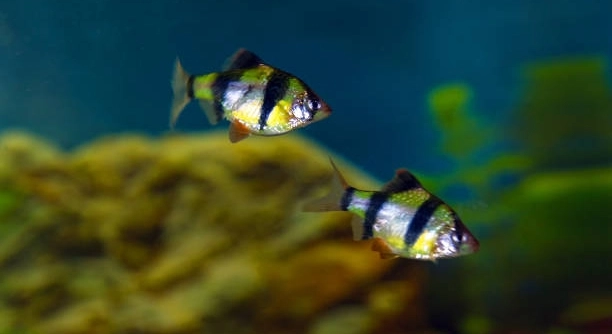
Tiger barbs are popular fish that many keep in home aquariums. They add lively colors and activity to tanks but can sometimes stop growing as expected. Knowing the signs of stunted growth helps owners care for their fish better.
Tiger barbs are considered stunted when they remain significantly smaller than average adults, typically under 2 inches in length, despite being mature. Stunted growth often results from poor water quality, limited tank space, inadequate diet, or genetic factors.
Recognizing these signs early can improve the health and happiness of your tiger barbs, making sure they thrive in their environment.
Common Signs of Stunted Growth in Tiger Barbs
When tiger barbs are stunted, you may notice they stay smaller than others of the same age. Usually, healthy adults grow to about 2.5 inches, but stunted fish might stay under 2 inches. Their fins can look less developed or even frayed. The body shape may appear thinner or less full. Sometimes, stunted tiger barbs behave differently too — they might be less active or shy away from other fish. Checking their size compared to tank mates is a quick way to spot a problem. It’s important to watch their growth over time rather than just one moment. A consistent lack of growth indicates a real issue that needs attention. Catching these signs early can prevent long-term health problems.
Stunted tiger barbs often show duller colors than their healthy peers. Their vibrancy is a good health indicator.
Feeding plays a big role in their growth. Providing a balanced diet rich in protein and nutrients encourages proper development. Overfeeding or underfeeding can both cause problems. Also, water quality affects their health; poor conditions stress fish and slow growth. Ensuring a clean tank with regular water changes supports better growth. Tank size matters as well — cramped spaces limit movement and stunt growth. Adding more space and maintaining proper water parameters helps tiger barbs reach their full size and enjoy a healthier life.
Causes of Stunted Growth in Tiger Barbs
Poor water quality is a major reason tiger barbs stop growing. Dirty water builds up toxins that hurt their health and stunt growth.
In many tanks, stunted growth happens due to overcrowding or small tank size. Tiger barbs need enough room to swim freely. When tanks are too small, fish become stressed and don’t grow properly. Another common cause is an unbalanced diet lacking essential nutrients. Feeding only flakes or a single food type does not provide enough protein or vitamins. Genetics also play a role; some fish may be naturally smaller. Finally, stress from aggressive tank mates or rapid changes in water conditions affects growth. Understanding these causes helps you create a better environment where your tiger barbs can thrive. By improving tank size, water quality, and diet, you can prevent stunting and promote healthier fish.
How to Measure Your Tiger Barbs’ Growth
Measuring your tiger barbs regularly helps track their growth and spot stunting early. Use a ruler or measuring tape gently alongside the tank glass to get an accurate size.
Keep a simple log of your fish’s length every few weeks. This record will show if they are growing steadily or have plateaued. Consistency in measurement methods is important for reliable results. Take care not to stress your fish during this process. Compare their size to average growth charts for tiger barbs to know what is normal. Remember, slow growth over time usually points to stunting rather than just a temporary slow phase.
If you notice your tiger barbs aren’t reaching typical sizes, check water conditions, diet, and tank space immediately. Early action can help reverse stunting and improve their quality of life. It also allows you to make informed decisions about tank management to support healthy growth.
Improving Growth Conditions for Stunted Tiger Barbs
Proper tank maintenance is key to improving growth. Regular water changes keep harmful chemicals low and support overall fish health.
Adjusting the diet is also crucial. Feeding high-quality foods like live or frozen bloodworms, brine shrimp, and specially formulated pellets boosts nutrition. Avoid overfeeding, as excess food can pollute the water and cause health problems. Increasing tank size or reducing the number of fish lessens stress and gives tiger barbs space to grow. Adding plants and hiding spots can reduce aggression and create a better environment. Monitoring water parameters like pH, temperature, and ammonia levels ensures conditions stay optimal. Together, these steps help create a healthier space where stunted tiger barbs have a chance to reach their full size.
Preventing Stunted Growth in Tiger Barbs
Regular tank cleaning and proper feeding habits are the easiest ways to prevent stunted growth. Maintaining stable water conditions helps fish stay healthy and grow normally.
Avoid overcrowding your tank. Giving tiger barbs enough space reduces stress and competition for food, which supports steady growth.
The Role of Genetics in Growth
Genetics can influence how large a tiger barb grows. Some fish naturally remain smaller even with ideal care. While environment is important, inherited traits also matter. Knowing the origin of your fish can help set realistic expectations about their size and growth potential.
Signs Your Tiger Barbs Are Healthy
Bright colors, active swimming, and regular eating habits usually show that your tiger barbs are healthy. Healthy fish grow steadily and interact well with tank mates.
What causes tiger barbs to become stunted?
Stunted growth in tiger barbs is mainly caused by poor water quality, insufficient tank space, and improper diet. Stress from aggressive tank mates or overcrowding can also slow their development. Sometimes genetics play a role, but environment is usually the bigger factor. Keeping the tank clean and balanced helps prevent stunting.
How can I tell if my tiger barb is stunted?
You can tell by comparing your fish’s size to the average adult length of about 2.5 inches. If your tiger barb remains under 2 inches despite being several months old, it may be stunted. Other signs include dull color, thin body, frayed fins, and less active behavior.
Can stunted tiger barbs recover and grow to normal size?
Sometimes they can recover if the cause is environmental and addressed early. Improving water quality, increasing tank size, providing a balanced diet, and reducing stress help growth. However, if genetics or long-term damage are factors, full recovery might not be possible.
What is the best diet for tiger barbs to support healthy growth?
A varied diet including high-quality pellets, flakes, and protein-rich foods like bloodworms or brine shrimp works best. Avoid feeding only one type of food. Feeding small amounts multiple times a day ensures they get enough nutrients without polluting the water.
How often should I measure my tiger barbs to monitor growth?
Measuring every two to four weeks gives a good idea of growth patterns. Keep the method consistent to avoid stress, and note the results to see if they are growing steadily or plateauing.
Can tank size affect tiger barb growth?
Yes, a small tank limits swimming space and can cause stress, which leads to stunted growth. A tank of at least 20 gallons is recommended for a small group of tiger barbs to allow enough room for healthy activity and growth.
What water conditions are ideal for tiger barbs?
Tiger barbs thrive in water with a temperature of 74-79°F, pH between 6.0 and 7.5, and low ammonia and nitrate levels. Stable water parameters prevent stress and support growth. Regular testing and water changes help maintain these conditions.
Is overcrowding harmful to tiger barbs?
Yes, overcrowding causes competition for food and space, leading to stress and slower growth. Keeping the recommended number of fish per tank size ensures each tiger barb has enough room to thrive.
Do tiger barbs grow faster in groups or alone?
They grow better in groups because they are social fish. However, overcrowding must be avoided. A balanced group in a properly sized tank creates a natural environment that encourages healthy growth.
Can stress cause stunting in tiger barbs?
Stress weakens fish and slows growth. Causes include poor water quality, aggressive tank mates, overcrowding, and sudden changes in environment. Reducing stress through proper care supports better health and size.
How can I improve water quality to help my tiger barbs grow?
Regular water changes, avoiding overfeeding, and using a good filtration system improve water quality. Testing water weekly ensures parameters stay in the safe range. Clean water reduces disease risk and supports growth.
What tank mates are best for tiger barbs to avoid stress?
Choose peaceful, similarly sized fish that won’t bully tiger barbs. Avoid slow-moving or long-finned species, as tiger barbs can nip fins. Suitable tank mates reduce stress and create a better environment for growth.
Can genetics alone cause stunted growth?
Genetics can influence size, but it rarely causes severe stunting by itself. Most cases involve environmental factors. Knowing your fish’s lineage can help, but providing optimal care is the best way to support growth.
Should I separate stunted tiger barbs from others?
Not necessarily. Separation can reduce bullying, but it also limits social interaction. Improving tank conditions and reducing stress usually works better than isolation.
Is it normal for some tiger barbs to grow slower than others?
Yes, growth rates can vary. Some fish grow slower due to genetics or competition for food. Consistent feeding and good water quality help even out growth differences.
When should I be concerned about my tiger barb’s growth?
If your fish remains small after several months, looks weak or sickly, or shows signs of illness, it’s time to investigate. Early intervention improves the chances of recovery and better growth.
Are there diseases that cause stunted growth in tiger barbs?
Certain infections or parasites can weaken fish and stunt growth. Maintaining good water quality and quarantine procedures help prevent disease.
Can overfeeding cause stunted growth?
Indirectly, yes. Overfeeding pollutes the water, leading to poor conditions that stress fish and slow growth. Feeding the right amount maintains water quality and supports healthy development.
How can I make sure my tiger barbs get enough food without overfeeding?
Feed small amounts two to three times daily and remove uneaten food after a few minutes. Observe feeding behavior to adjust portions. This keeps fish healthy and water clean.
Is it possible to fully prevent stunted growth in tiger barbs?
While it’s not always possible to prevent stunting entirely, good tank care, balanced diet, and avoiding stress greatly reduce the risk. Regular monitoring and early action are key to keeping tiger barbs healthy and growing well.
Stunted growth in tiger barbs is a common problem many aquarium owners face. It can happen for many reasons, such as poor water quality, small tank size, or an unbalanced diet. Sometimes genetics also play a role. While it may be frustrating to see your fish stay small, understanding the causes helps you take the right steps to improve their health. Paying attention to water conditions, feeding habits, and tank space are key ways to support your tiger barbs’ growth and well-being. Regular care and observation can prevent many issues before they become serious.
When you notice your tiger barbs are not growing as expected, don’t wait too long to act. Early changes in their environment often lead to better results. Improving water quality with regular changes and testing, feeding a varied and nutritious diet, and ensuring enough space for swimming are important steps. Reducing stress by avoiding overcrowding and choosing peaceful tank mates also makes a big difference. Even small adjustments can help your tiger barbs grow closer to their normal size and stay active and vibrant. Remember that some fish may never reach full size due to genetics, but most benefit from good care.
Keeping tiger barbs healthy requires ongoing attention, but it is rewarding. Watching them swim happily and show their bright colors makes the effort worthwhile. Growth problems like stunting are signs your fish need better conditions or care. By providing a clean, balanced, and comfortable home, you give your tiger barbs the best chance for a long, healthy life. This not only improves their size but also their overall quality of life. Taking the time to understand their needs and act quickly when problems arise helps create a thriving aquarium where tiger barbs can truly flourish.

Hello,
If you enjoy the content that we create, please consider saying a "Thank You!" by leaving a tip.
Every little bit helps us continue crafting quality advice that supports the health, happiness, and well-being of pets around the world, for pets of all shapes, sizes, and species.
We really appreciate the kindness and support that you show us!