
Have you ever noticed your tiger barbs acting differently and wondered if something exciting might be happening in your tank? Subtle changes in behavior can signal something more than just their usual energy.
Tiger barbs show they are about to breed through specific signs like increased chasing behavior, brighter coloration, and males displaying more aggressive courtship displays. These signs often occur together and are most noticeable during early morning hours.
Understanding these behaviors can help you prepare your tank properly and support a successful breeding process for your tiger barbs.
Signs Your Tiger Barbs Are Getting Ready to Breed
When tiger barbs are about to breed, they usually become more active and display noticeable behavior changes. Males may chase females more often, showing off brighter colors to get their attention. This chasing can seem aggressive, but it’s a natural part of courtship. Females may appear rounder as they fill with eggs, especially near the belly. You might also see the fish swimming in tighter groups or hovering around specific areas in the tank, especially near plants or spawning mops. These are signs that they’re picking a spot to lay eggs. It’s important to observe these patterns without disturbing them. Changes usually happen early in the day when they are most active. You don’t need to do much right away, but being aware of these signs can help you prepare the tank and protect the eggs once they’re laid. These signals often appear suddenly, so regular observation helps.
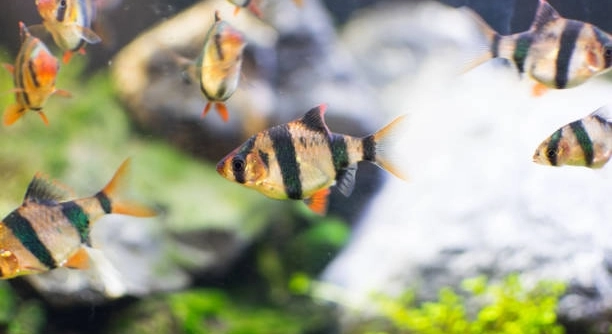
Male tiger barbs usually have deeper orange coloring and slimmer bodies than females. They also become more territorial around spawning time.
Once these signs appear, keep the tank clean and stable. Breeding fish are sensitive to sudden changes in water quality, temperature, and lighting. Steady conditions help increase the chances of successful spawning and healthy fry.
Preparing the Tank for Breeding
Use a separate breeding tank to increase success and protect the eggs. A sponge filter and soft plants are helpful.
Tiger barbs can eat their own eggs, so placing marbles or mesh at the bottom of the breeding tank can prevent this. These barriers let eggs fall out of reach. Keep the water temperature between 78–80°F and maintain slightly acidic pH levels. Provide good lighting in the morning, as tiger barbs usually spawn early in the day. Use fine-leaved plants or spawning mops, since females prefer to lay eggs in these areas. Feed the pair high-protein food for a few days before moving them into the breeding tank. Once you notice active spawning—chasing, shaking, or quick darting—you can expect eggs soon after. Remove the adults immediately once eggs are visible. This step protects the eggs from being eaten. Keep the breeding tank quiet and clean, and avoid sudden movements near the tank. Within 24 to 36 hours, the eggs should hatch, revealing tiny fry ready to grow.
What to Expect After Spawning
The eggs are tiny and clear, usually sticking to plants or falling between marbles if you’ve used them. They may be hard to spot, so look closely around the tank bottom and plant leaves.
Within 24 to 36 hours, the eggs will start to hatch. You’ll notice tiny fry wiggling as they begin to move around. At this stage, they won’t need food right away because they still absorb nutrients from their yolk sacs. It’s important to avoid disturbing the tank during this time. Sudden movement, bright lights, or loud noises near the tank can stress the fry and lower their survival rate. Keep the water stable and clean, checking daily for any waste or leftover plant matter. Don’t introduce adult fish back into the tank yet. The fry need time to grow strong enough to swim freely and start feeding on their own.
After the yolk sacs are absorbed, which usually happens within three to five days, the fry will become more active. This is the time to start feeding them tiny portions of infusoria or liquid fry food several times a day. Avoid overfeeding, as leftover food can affect water quality quickly. A sponge filter helps keep the tank clean without sucking up the fry. Maintain soft lighting and steady water temperature. Regular but gentle care during this stage makes a big difference in their growth and survival. Once the fry grow large enough, you can slowly introduce larger foods like baby brine shrimp.
Feeding and Caring for the Fry
Fry grow best when they are fed small portions often and the water stays clean. A sponge filter, dim lighting, and daily observation help them develop safely during their first few weeks.
Start by offering infusoria or commercial liquid fry food in tiny amounts several times a day. Once they grow a little bigger, usually within a week or so, you can introduce freshly hatched baby brine shrimp. These are packed with nutrients and easy for the fry to eat. Keep the tank clean by doing small water changes daily—just 10 to 15 percent—to avoid shocking them. Avoid using strong filters or bright lights, and make sure leftover food is removed promptly. Watch for signs of uneven growth. Some fry may grow faster than others, and they might outcompete the smaller ones for food. You can separate the larger ones to give the smaller fry a better chance to grow.
How to Spot Healthy Fry
Healthy fry will swim steadily and have clear, straight bodies. Their movement becomes more active each day, and they often gather near plants or the sides of the tank. Avoid overfeeding, as cloudy water can harm their development.
If you notice fry with curved spines, odd swimming patterns, or lack of movement, they may be struggling. Remove any dead fry quickly to maintain water quality. Consistent observation helps you catch problems early and adjust their care as needed. Small changes can make a big difference in their growth and survival.
When to Move Them to the Main Tank
Once the fry reach about half an inch in length and can eat crushed flakes or micro-pellets, it’s usually safe to move them to the main tank. This typically takes four to six weeks. Make sure the main tank has peaceful tankmates and enough hiding spots for young fish. Introduce them slowly to avoid stress—use a breeder box or drip acclimation. Observe them closely after moving. If they show signs of stress like erratic swimming or hiding for too long, pause and give them more time in their current tank. Moving too early can slow their development or cause health issues.
Keep a Close Eye on Water Conditions
Test the water regularly for ammonia, nitrites, and nitrates. Stable water keeps fry healthier and reduces stress as they grow. Clean the tank gently and avoid large water changes all at once.
How long does it take for tiger barb eggs to hatch?
Tiger barb eggs usually hatch within 24 to 36 hours after spawning. The exact time can vary slightly depending on water temperature, but warmer water generally speeds up the process. After hatching, the fry will remain attached to their yolk sacs for about three to five days before they start swimming freely and feeding.
Can tiger barbs breed in a community tank?
Breeding tiger barbs in a community tank is possible but not ideal. Adults and other tankmates may eat the eggs and fry, reducing survival chances. For better success, it’s recommended to use a separate breeding tank where the environment can be controlled and the eggs protected from predators.
What are the best conditions for breeding tiger barbs?
Tiger barbs breed best in stable water conditions with temperatures between 78°F and 80°F. Slightly acidic to neutral pH (6.0 to 7.0) helps encourage spawning. Soft plants or spawning mops are useful for egg laying. Keeping water clean and avoiding sudden changes improves breeding success.
How do I know if my tiger barbs are male or female?
Male tiger barbs tend to have slimmer bodies and brighter orange or red coloring, especially on the fins and belly. Females are usually rounder and paler, particularly when carrying eggs. Watching their behavior during breeding can also help; males are more aggressive and active in courtship.
What should I feed tiger barb fry?
In the first few days after hatching, fry feed on their yolk sacs and don’t need extra food. Once free-swimming, start with infusoria or liquid fry food in small amounts several times a day. After about a week, introduce freshly hatched baby brine shrimp or finely crushed flakes for better growth.
How often should I change water in the breeding tank?
Perform small water changes daily, about 10 to 15 percent of the tank volume, to keep water clean without shocking the fry. Avoid large water changes or strong filtration, as this can stress the delicate fry. Maintaining stable water parameters is crucial during this stage.
What signs indicate that tiger barbs are about to breed?
Before breeding, males become more colorful and chase females frequently in a courtship display. Females often develop a rounder belly filled with eggs. The fish will hover around specific tank areas with plants or spawning mops, preparing to lay eggs.
Can tiger barbs breed without special equipment?
While tiger barbs can spawn in regular tanks, a breeding tank with soft plants, a sponge filter, and protective egg barriers improves egg survival. Using marbles or mesh at the bottom prevents adults from eating eggs, increasing the chances of raising healthy fry.
How long until fry can be moved to the main tank?
Fry can usually be moved after four to six weeks, once they reach about half an inch and can eat crushed flakes or micro-pellets. Introduce them slowly to reduce stress, ensuring the main tank has peaceful fish and plenty of hiding spots.
What should I do if the fry are dying?
If fry are dying, check water quality immediately. Ammonia, nitrites, or nitrates might be too high. Also, avoid overfeeding and make sure adults aren’t in the breeding tank. Adjust feeding amounts, keep water stable, and perform gentle water changes to improve survival.
Breeding tiger barbs can be a rewarding experience if you pay attention to their behavior and prepare the right environment. Knowing the signs that they are about to breed helps you act at the right time and give them the best chance to produce healthy eggs and fry. Changes like increased chasing, brighter colors in males, and rounder bellies in females are clear signals that breeding may soon happen. Watching for these signs regularly allows you to create a calm and stable space that supports spawning and protects the eggs from harm. Patience is important because the process takes time, from spawning to fry growing strong enough to join the main tank.
Once the tiger barbs have laid eggs, taking care of the eggs and fry becomes the main focus. Using a separate breeding tank with gentle filtration and soft plants helps protect the eggs from being eaten and keeps the water clean. Fry need special food like infusoria and baby brine shrimp as they grow, along with stable water conditions. Small water changes every day help maintain a healthy environment, but it’s important not to stress the young fish with sudden changes or bright lights. Watching the fry closely will help you notice any problems early, giving you the chance to adjust care or water quality before issues get worse. Growing tiger barb fry takes time and careful attention, but the results are worth the effort.
Finally, moving the fry to the main tank should be done only when they are large enough to eat regular fish food and can handle the presence of other fish. This usually happens four to six weeks after hatching. Introducing them slowly reduces stress and helps the young fish adapt to their new environment. Keeping the main tank peaceful and full of hiding spots makes it easier for the fry to survive and grow. Breeding tiger barbs successfully is about understanding their needs and behavior, maintaining good water quality, and providing gentle care throughout every stage. With these steps, you can enjoy watching your tiger barbs grow from tiny fry into active, colorful adults.

Hello,
If you enjoy the content that we create, please consider saying a "Thank You!" by leaving a tip.
Every little bit helps us continue crafting quality advice that supports the health, happiness, and well-being of pets around the world, for pets of all shapes, sizes, and species.
We really appreciate the kindness and support that you show us!