
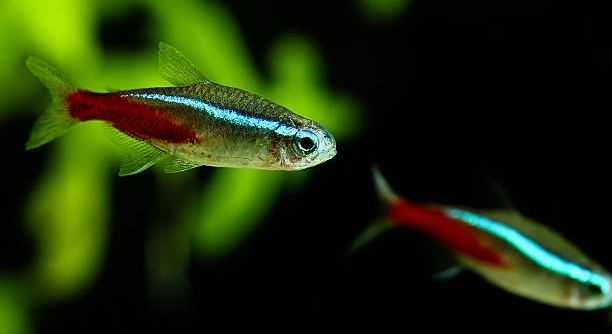
Tetras are popular small fish known for their bright colors and peaceful nature. Many aquarium owners enjoy watching their behavior and growth over time. Observing signs of breeding can be exciting and rewarding for fishkeepers.
Tetras laying eggs show clear signs such as changes in behavior, physical appearance, and tank conditions. Common indicators include increased hiding, swollen bellies in females, and the presence of fine eggs on surfaces within the tank.
Recognizing these signs helps ensure proper care for both the adult fish and their offspring. Understanding the process supports a healthy and thriving aquarium environment.
Behavioral Changes in Tetras When Laying Eggs
When tetras are ready to lay eggs, their behavior often shifts noticeably. Females may become more reclusive, hiding behind plants or decorations to feel safe. Males might swim more actively and chase females, showing courtship behavior. This increased activity and hiding are natural instincts to protect the eggs and ensure successful breeding. You may also notice a drop in aggression among tank mates, as the focus shifts to reproduction. These behavioral changes are good signs that eggs may be laid soon, and the fish are preparing for the next stage of life.
This change in behavior can last several days, so watch carefully to catch the moment eggs appear.
Noticing these changes early helps you prepare the tank environment, ensuring a safe and healthy space for the eggs and future fry.
Physical Signs of Egg Laying
The most obvious physical sign in female tetras is a swollen belly, which means eggs are developing. The color of the belly might lighten or become more translucent as the eggs mature. Males may develop brighter colors or more intense markings during this time to attract females. You might also spot tiny white or clear eggs attached to plants or the tank walls. These eggs are small and can be hard to see without close observation. The presence of these eggs confirms that spawning has occurred.
Keeping the tank clean and stable during this period is crucial to protect the eggs from fungus and predators.
If you notice these physical signs, you can prepare by lowering the water flow and adjusting lighting to create a calm environment.
Monitoring your fish closely will help you support the breeding process effectively and encourage healthy development of the eggs.
Changes in Tank Environment
Egg-laying tetras often prefer calmer tank conditions. Reducing water flow and dimming lights can help them feel secure during spawning. These adjustments create a better environment for both adults and eggs.
Maintaining stable water parameters is vital. Sudden changes in temperature, pH, or hardness can stress the fish and reduce egg viability. Use a gentle filter to keep the water clean without disturbing the eggs. Adding fine-leaved plants or spawning mops offers safe surfaces for eggs to attach and provides hiding spots for the fish.
Observing the tank environment carefully allows you to make small changes that support breeding success. Keeping conditions steady benefits the overall health of your tetras and their developing eggs.
Post-Spawning Behavior
After spawning, female tetras often retreat to rest and recover. Males may reduce chasing and return to normal swimming patterns. The eggs remain mostly unattended but hidden among plants or tank decor to avoid predation.
Parents sometimes eat their eggs if stressed or hungry, so it’s important to provide adequate food and a calm environment. Removing adult fish from the breeding tank after spawning can increase fry survival rates. This step is common in breeding setups to protect the eggs and ensure more fry reach maturity. Watching these behaviors helps you know when to intervene for the best results.
Egg Appearance and Location
Tetra eggs are very small and often sticky. They usually attach to plants, tank walls, or decorations. Because of their size, eggs can be hard to spot without close inspection.
The eggs are translucent or slightly milky, making them blend into the surroundings. Check carefully in shaded or hidden areas where eggs are less likely to be disturbed.
Fry Development Timeline
After eggs are laid, they typically hatch in about 24 to 36 hours. Once hatched, the tiny fry rely on their yolk sacs for nourishment. Within a few days, they start swimming and searching for food independently. Proper care during this early stage is critical for their survival.
Feeding Newly Hatched Fry
Newly hatched tetra fry need very small food like infusoria or specially prepared fry food. Feeding them tiny amounts multiple times a day supports healthy growth. Avoid overfeeding to keep the water clean and safe for the fry.
FAQ
How can I tell if my tetra is a female ready to lay eggs?
Female tetras ready to lay eggs usually have a fuller, rounder belly compared to males. Their abdomen becomes swollen as the eggs develop inside. You might also notice the female becoming more reserved or hiding more often, especially around plants or decorations in the tank. The color of the belly may appear lighter or more translucent.
What are the best tank conditions for tetra egg laying?
Tetras prefer stable water parameters when laying eggs. A temperature between 75°F and 80°F, a slightly acidic to neutral pH (6.5 to 7.0), and soft to moderately hard water create a good environment. Low water flow and dim lighting help reduce stress and encourage spawning behavior. Adding fine-leaved plants or spawning mops provides surfaces for eggs to attach.
How long do tetra eggs take to hatch?
Tetra eggs generally hatch within 24 to 36 hours after being laid, depending on the water temperature. Warmer water speeds up hatching but avoid sudden changes. Once hatched, the fry remain near the bottom or plants until they can swim freely, usually within 3 to 5 days.
Can adult tetras eat their own eggs?
Yes, adult tetras sometimes eat their own eggs. This behavior can happen if the adults feel stressed, hungry, or if the tank environment is not suitable. Removing adults from the breeding tank right after spawning increases fry survival. It’s a common practice to protect eggs and young fry from being eaten.
What should I feed tetra fry after hatching?
Newly hatched tetra fry need very small food like infusoria, baby brine shrimp, or specially made fry powders. These foods are small enough for the fry to eat and provide the nutrients they need to grow. Feed small amounts several times a day to prevent leftover food from fouling the water.
How do I prevent fungus on tetra eggs?
Fungus on eggs can be a big problem. To prevent this, keep the water clean and stable, avoid overfeeding, and ensure good filtration without strong currents. Some fishkeepers use antifungal treatments or add small amounts of methylene blue to the water to protect eggs, but these should be used carefully.
Is it necessary to separate tetras after egg laying?
Separating adults from eggs or fry is often necessary to improve survival rates. Adults may eat the eggs or fry, so moving them to a different tank or using a breeding box helps protect the young. This also makes it easier to control feeding and water quality for the fry.
What are common mistakes to avoid when breeding tetras?
Common mistakes include keeping adults with eggs, which leads to predation, sudden water parameter changes that stress fish, and poor water quality that causes fungal infections. Overfeeding and high water flow can also harm eggs and fry. Maintaining a calm, stable environment is key for successful breeding.
How many eggs do tetras usually lay?
Tetras can lay anywhere from 20 to over 100 eggs in one spawning session. The exact number depends on the species, the female’s health, and tank conditions. Most eggs are scattered and attached to plants or tank surfaces. High egg numbers improve chances of fry survival despite natural losses.
Can tetras lay eggs without a male?
No, female tetras need a male to fertilize the eggs for them to develop into fry. If no males are present, eggs will not be fertilized and will eventually die or get absorbed. Observing male courtship behavior is a good sign that fertilization is taking place.
Final Thoughts
Watching tetras lay eggs and raise fry can be a rewarding experience for anyone who keeps these fish. Understanding the signs that tetras are ready to spawn helps you prepare the tank and create the best conditions for breeding. Paying attention to their behavior, physical changes, and the environment gives clues about when egg laying is happening. These small changes may seem subtle at first, but they are important to recognize for successful breeding. Knowing what to expect helps reduce stress for both the fish and the keeper.
It is important to keep the tank environment stable and calm when tetras are laying eggs. Changes in water temperature, pH, or flow can harm the eggs or cause adults to eat them. Providing hiding places like plants or spawning mops gives the eggs safety and helps the fish feel secure. After spawning, removing the adult fish from the breeding tank can protect the eggs and increase the number of fry that survive. Feeding the fry the right food in small amounts is essential for their growth during the first weeks.
Breeding tetras requires patience and careful observation. Not every spawning will lead to many surviving fry, but understanding these basic signs improves your chances. Each step, from noticing behavioral changes to caring for the fry, builds experience and confidence. Taking care of the water quality and giving your fish a peaceful space creates a healthy aquarium where tetras can thrive. With attention and care, you can enjoy watching new life grow and learn more about these colorful, lively fish.

Hello,
If you enjoy the content that we create, please consider saying a "Thank You!" by leaving a tip.
Every little bit helps us continue crafting quality advice that supports the health, happiness, and well-being of pets around the world, for pets of all shapes, sizes, and species.
We really appreciate the kindness and support that you show us!