
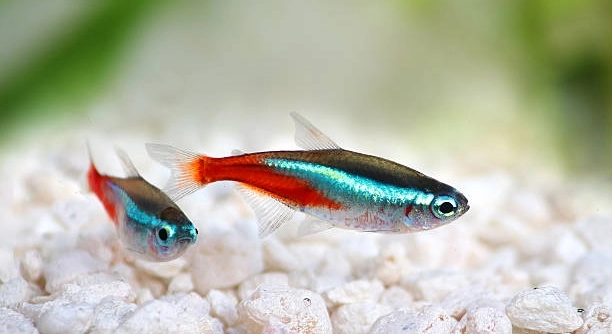
Are your tetras acting different lately, spending more time hiding or swimming aimlessly around the tank with no clear purpose?
Tetras may show signs of boredom through repetitive swimming, lack of interaction, fin nipping, color fading, reduced appetite, lethargy, or increased aggression. These behaviors often indicate a lack of mental stimulation or environmental enrichment in their tank.
Learning how to spot these behaviors can help you create a more engaging and healthy space for your tetras to thrive in.
Common Boredom Signs in Tetras
Tetras may start swimming in repetitive patterns when they feel bored. This usually looks like pacing up and down the glass or swimming in circles without any clear goal. Another noticeable sign is fin nipping. Bored tetras sometimes nip at their tank mates’ fins, especially when there isn’t enough stimulation in the environment. If you see a change in their color, such as dull or faded shades, it can also point to boredom and stress. In some cases, a bored tetra may lose interest in food or begin to eat less. They may also appear sluggish or inactive for long periods. These behaviors are often linked to a lack of stimulation, especially in a tank that’s too small or lacking features like plants and hiding spots. Watching your fish closely and noting changes in how they swim or interact can help you notice boredom early and take steps to improve their environment.
Some tetras become more aggressive when bored, chasing other fish or disturbing the tank’s calm balance.
Adding plants, tank decorations, or more swimming space can help reduce these signs. Try changing the layout of the tank or introducing new hiding spots. You can also rotate decorations every few weeks to keep things interesting for them.
How Tank Conditions Affect Behavior
A lack of stimulation often leads to dull behavior in tetras.
Tetras need more than just clean water to feel active and content. A bare tank without hiding spots or plants can create a boring environment that leads to behavior changes. Overcrowding is another concern. Too many fish in one space may increase stress and aggression, especially if tetras don’t have enough room to swim freely. Lighting also plays a role. Constant bright lighting may cause stress, while a natural light cycle helps regulate their activity levels. Filtration and water movement can make a difference too. Tetras prefer gentle currents that mimic their natural habitats. Sudden or strong flows can overwhelm them, while too little movement might reduce their overall activity. Finally, tank mates matter. If they live with aggressive or overly passive species, they may become anxious or withdrawn. Observing how your fish respond to these conditions can help you fine-tune their space and create a more peaceful, engaging environment that supports healthy behavior.
Simple Enrichment Ideas for Bored Tetras
Tetras benefit from simple changes in their tank setup. Adding live plants, hiding spots, or floating decorations can help stimulate their minds and keep them active. These changes give them places to explore and break up visual monotony.
Live plants like java moss or anubias offer shelter and mimic a more natural habitat. These features encourage natural behaviors like darting and hiding. Adding a few rocks or driftwood pieces can also make a big difference. Rearranging the decorations every few weeks helps keep things fresh. If you have a larger tank, consider creating different zones—open swimming areas, planted corners, and dark hideouts. Even small changes like switching out artificial plants or rotating tank ornaments can keep tetras alert and engaged. Avoid overcrowding the tank, and always make sure new additions don’t disrupt the water balance or cause stress to the fish.
Interactive feeding can also stimulate bored tetras. Instead of dumping food in one spot, try spreading it out or using a feeding ring. This makes them swim around more and use their natural instincts to find food. Occasionally offering live food like brine shrimp or daphnia can also get them more excited about feeding time. Variety in their diet helps too.
Why Social Interaction Matters
Tetras are schooling fish and rely on interaction with others to feel safe. If kept alone or in too small a group, they may become anxious or withdrawn. A group of at least six tetras promotes natural movement and more balanced behavior.
In larger groups, tetras establish a sense of order and flow as they swim together. They feel more secure and active when surrounded by their own kind. A group of six to ten is usually best, depending on your tank size. Avoid keeping them with overly aggressive fish that can stress or isolate them. Peaceful tank mates that respect their space are ideal. When tetras feel safe, they tend to be more playful, explore their surroundings, and show brighter colors. Social behavior helps prevent boredom and reduces aggressive actions like fin nipping. If your tetra seems disconnected or shy, increasing the school size or improving the group dynamic can often fix the issue.
Signs You Shouldn’t Ignore
Sudden hiding or isolating behavior can signal more than boredom. If a usually active tetra begins to stay still or hide all day, it might be stressed or unwell. Keep an eye on how long the change lasts.
Color loss paired with a lack of appetite often points to a deeper issue. It could mean poor water quality, illness, or extreme stress. Testing the water and checking tank conditions should be the first step if these signs appear.
Creating a Routine Helps
Tetras respond well to a stable routine. Feeding them at the same time each day and maintaining a consistent lighting schedule helps reduce stress. Sudden changes in lighting, noise, or tank layout can startle them and increase boredom or anxiety. Weekly water changes, filter checks, and tank cleanings also help them feel safe. Regular maintenance not only keeps the tank healthy but also gives you a chance to observe your tetras’ habits closely. When they know what to expect, they tend to swim more confidently and interact more with their environment. A calm, consistent routine builds trust and reduces the risk of unwanted behaviors.
When to Ask for Help
If your tetras continue acting strangely even after you’ve made changes, it may be time to consult an aquarium specialist. Persistent symptoms shouldn’t be ignored.
FAQ
How many tetras should I keep together to prevent boredom?
Tetras are schooling fish and feel most comfortable in groups. A minimum of six is strongly recommended, but more is usually better. In a larger group, they interact more naturally, stay active, and feel safer. Keeping just one or two can lead to stress, hiding, and lack of movement. If your tank can support it, aim for at least eight to ten. This creates a strong group dynamic and prevents loneliness. A larger school also reduces aggression and gives each fish more confidence to explore the tank.
Can a small tank cause boredom in tetras?
Yes, a tank that’s too small can limit their ability to swim freely and explore, leading to boredom and stress. Tetras are active swimmers and need horizontal space more than vertical. A tank under 10 gallons often restricts natural behavior. For a small group of tetras, a 15 to 20-gallon tank is a good starting point. The extra space gives room for swimming zones, plants, and hiding areas. Overcrowding or a cramped layout reduces enrichment and can cause aggression, so proper tank size plays a key role in their overall well-being.
What types of plants or decorations help keep tetras entertained?
Live plants like java fern, anubias, hornwort, and water wisteria are great choices. These give your tetras places to hide and explore, making the tank more engaging. Plants also help mimic natural environments and reduce stress. In addition to plants, add driftwood, caves, or small decorations they can swim around. Try to use soft-edged items that won’t damage their fins. Avoid overcrowding with decorations; leave enough space for swimming. Rotating or rearranging items every few weeks helps prevent boredom. Variety is key—simple changes make the tank feel new without overwhelming the fish.
Can tetras get bored of their food?
Yes, tetras can lose interest if fed the same food every day. A varied diet keeps them engaged during feeding time and supports better health. In addition to high-quality flakes or pellets, try adding occasional treats like frozen or live brine shrimp, daphnia, or bloodworms. Offering different textures and feeding styles—such as floating and sinking foods—can make feeding more stimulating. Don’t overfeed, but do switch things up now and then. Observing how they respond to different foods can help you find what they enjoy most while keeping mealtimes more interesting.
Is lighting important for tetra activity and mood?
Proper lighting helps regulate their activity and rest. Too much light can stress them out, while too little can dull their colors and make them less active. A balanced day-night cycle with about 8 to 10 hours of light per day works well. Using a timer can help maintain consistency. Soft, indirect lighting or aquarium lights designed for freshwater fish are best. Avoid placing the tank in direct sunlight, which can overheat the water or encourage algae growth. Consistent lighting routines make tetras feel secure and reduce the risk of stress-related behaviors.
How do I know if my tetra’s behavior is boredom or illness?
Boredom tends to show through repetitive swimming, nipping, hiding, or a drop in activity without other physical symptoms. If your tetra is acting different but still eating and swimming normally, boredom might be the cause. Illness usually comes with more severe signs—clamped fins, rapid breathing, visible spots, swelling, or refusing to eat. If physical symptoms show up, test the water and isolate the fish if needed. When in doubt, it’s best to consult an experienced aquarist or pet store staff. Monitoring behavior closely helps you catch issues early.
Final Thoughts
Tetras are peaceful, social fish that do best in a stable and stimulating environment. When they show signs of boredom, it’s often because their tank setup is too simple or they don’t have enough social interaction. Behaviors like repetitive swimming, hiding, reduced color, or fin nipping are worth noticing. These signs can seem small, but they point to a need for change. Keeping a close eye on your fish helps you catch boredom early and respond in simple ways that support their health. Even small adjustments, like rearranging plants or adding more decorations, can make a difference.
Maintaining the right conditions in the tank is just as important. Clean water, gentle filtration, and the right temperature keep tetras healthy and active. Having at least six tetras in the tank helps them feel safe and encourages natural schooling behavior. A regular routine—steady lighting, consistent feeding times, and regular water changes—helps reduce stress and prevent boredom from developing. Watching how your tetras move and interact will give you clues about their comfort level. If they’re active, colorful, and social, they’re likely doing well. If they’re quiet, hiding, or showing changes in appetite, it may be time to make changes to their environment.
Keeping tetras interested doesn’t require anything complex. Variety in food, decorations, and layout is enough to keep them mentally engaged. You don’t need expensive equipment or fancy setups to keep your fish happy. What matters most is balance—enough room to swim, safe hiding spots, clean water, and friendly tank mates. With a little effort and attention, you can create a peaceful and lively space where your tetras stay healthy and active. They may not show emotions the way people or pets do, but their behavior says a lot. When cared for properly, tetras can bring calm and movement to your tank for years. Watching them thrive in a tank that supports their needs is both rewarding and relaxing.

Hello,
If you enjoy the content that we create, please consider saying a "Thank You!" by leaving a tip.
Every little bit helps us continue crafting quality advice that supports the health, happiness, and well-being of pets around the world, for pets of all shapes, sizes, and species.
We really appreciate the kindness and support that you show us!