
Have you ever watched your swordtails closely and wondered if they might be pairing up? Spotting signs of mating can be exciting, especially for those new to keeping these colorful and lively fish in home aquariums.
Swordtails show signs of mating through specific behaviors such as chasing, nipping, and the male’s gonopodium movements near the female. These interactions are part of their courtship process and help indicate that reproduction may be taking place.
Recognizing these cues will help you support their breeding process and maintain a peaceful tank environment for all your fish.
Common Signs Swordtails Are Mating
When swordtails begin to mate, they show specific behaviors that are easy to recognize once you know what to look for. Males often chase females around the tank, trying to stay close and direct. This behavior is not aggressive, though it may seem persistent. You may also see the male positioning his body at a slight angle while using his gonopodium—the modified anal fin used for reproduction—to make contact with the female. Females that are receptive tend to slow down or stop moving to allow the male to approach. These moments are brief but usually happen several times a day. Over time, a female’s abdomen may appear rounder, indicating possible pregnancy. Watching these interactions helps you understand the mating progress and prepare for fry if needed.
Look for repetitive chasing, body alignment, and increased interest from the male toward a specific female. These actions usually suggest the fish are in mating mode.
Changes in female behavior are also worth noting. A female swordtail may become more reserved or seek out hiding spots once mating occurs. She might also become slightly aggressive toward other tank mates as she prepares to give birth. This shift in behavior typically happens a few days after mating, especially in smaller tanks where space is limited. In some cases, the female’s gravid spot—located near the rear of her abdomen—becomes darker or more visible. These visual changes are a helpful sign that fertilization has likely occurred. At this stage, you should keep a close eye on her. Giving her space and reducing stress can help ensure a smooth pregnancy. Providing plants or a breeding box can also help her feel safe and secure. Keeping the water clean and maintaining consistent conditions during this time will support her health and the development of the fry.
What to Do After Mating
Once you notice your swordtails have mated, the next step is to prepare for the arrival of fry. This involves both physical tank adjustments and small changes to how you manage feeding and care routines.
Separating the female from other tank mates can be helpful, especially if she begins to show signs of being pregnant. A breeding box or a tank divider gives her peace and reduces the chances of stress. Adding dense plants or hiding spots is another simple way to help her feel secure. If your goal is to keep the fry, it’s important to plan ahead. Most adult fish will eat the newborns if they aren’t separated in time. Floating plants or a fine mesh net can create a safe area for the fry to hide in once they’re born. Feeding the pregnant female high-protein foods during this period is also recommended. It gives her the strength she needs and can promote a healthy delivery. Keeping a close watch without interfering too much helps you balance care and observation. With a little preparation, you’ll be ready to welcome new fish into your tank without stress or confusion.
How to Care for Pregnant Swordtails
A pregnant swordtail needs calm surroundings and consistent care. Keep the tank clean, monitor water conditions, and avoid sudden changes. Feed her small amounts of protein-rich food and make sure she has plenty of places to hide.
Pregnant swordtails prefer privacy, especially as they get closer to giving birth. Dense plants, caves, or a breeder box can help her feel safe. Try to keep other fish from bothering her, as stress can cause complications. Feeding her brine shrimp, daphnia, or crushed flakes twice a day supports healthy fry development. Avoid overfeeding, which can affect water quality. Keep the temperature steady around 76–78°F and maintain gentle filtration. Watch her body for signs of labor such as hiding more often, reduced appetite, and an even rounder belly. Once she shows these signs, it’s best to minimize disturbances and keep the tank as calm as possible.
If you’re using a breeder box, move her into it when she looks close to giving birth. Try not to move her too early, as this may cause stress. A good time to transfer her is when the gravid spot is dark, and she becomes less active. Keep the water in the breeder box the same as the main tank to avoid shocking her. Once she gives birth, remove her to prevent her from eating the fry. If you aren’t using a breeder box, make sure the tank has plenty of hiding places for the fry. You can also install a sponge filter to avoid sucking them up during cleaning. Consistency and gentle care will help her feel at ease. The better her environment, the healthier the fry will be. Watch quietly from a distance to avoid stress and give her time to recover after birth.
How to Spot a Male Swordtail
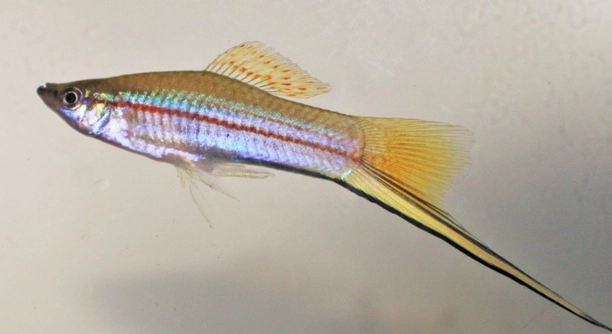
Male swordtails are usually slimmer and more colorful than females. Their most noticeable feature is the long, sword-like extension on the lower part of their tail fin, which gives them their name.
Another key feature is the gonopodium, a pointed fin located near the anal area. Males use this for mating.
How to Spot a Female Swordtail
Female swordtails have a rounder, fuller body and lack the long tail extension seen in males. Their fins are generally shorter and more rounded. You may also notice the gravid spot near the back of the abdomen, especially when pregnant. Their coloring is often less intense, but still vibrant depending on the strain. Females grow slightly larger than males and move with a more relaxed behavior. When mature, they may appear bulkier and more dominant in the tank. Observing their behavior and body shape closely will help you tell them apart without confusion.
When to Expect Fry
Most swordtail pregnancies last about 28 to 35 days, depending on tank conditions and water temperature. Warmer water speeds up the process slightly.
FAQ
How long does it take for swordtails to mate?
Swordtails usually take about a week to mate, though it can vary depending on the environment. After a male begins courting a female, it might take several attempts before successful fertilization occurs. The entire mating process is quite quick, with the male often using his gonopodium to fertilize the female. If the female is receptive, she’ll allow the male to mate several times in the course of a few days.
How do I know when my swordtail is pregnant?
A pregnant female swordtail will have a visible gravid spot, which is a darkened area near her abdomen. As her pregnancy progresses, the spot becomes more prominent. Her body will also become rounder and fuller, especially around the belly area. Some females may show a slight decrease in activity as they prepare to give birth. If you notice these changes, it’s likely she’s carrying fry.
Do swordtails give birth to live young?
Yes, swordtails are livebearers, meaning they give birth to live young rather than laying eggs. The female stores sperm from the male and uses it to fertilize her eggs internally. The developing fry are carried inside her until they are ready to be born, typically in a few weeks, depending on water conditions.
How can I prevent my swordtails from having babies?
To prevent swordtails from breeding, you can either keep males and females in separate tanks or remove one sex. If you have a breeding pair in the tank, the females will often get pregnant after a few successful matings. Alternatively, you can use a tank divider to keep males away from females. There are also birth control options available for fish, like hormone-based methods, though they’re less common and harder to manage.
How many fry do swordtails have?
Swordtails can give birth to anywhere from 20 to 100 fry, depending on the size and age of the female. Younger or smaller females typically have fewer fry, while older or larger females can produce more. After giving birth, the female may need some time to recover before she’s ready to breed again.
How long do swordtail fry stay in hiding?
Swordtail fry are incredibly small when born and often seek hiding spots immediately to protect themselves from adult fish. They typically stay hidden for about 1-2 weeks, gradually becoming more active and visible as they grow. Providing plants or a breeding box can help give the fry more time to develop in a safer environment before being exposed to other fish in the tank.
What should I feed swordtail fry?
Swordtail fry require a high-protein diet to grow. Newly hatched fry can be fed with specialized fry food, such as powdered food or infusoria. As they grow, they can eat larger foods like brine shrimp or finely crushed fish flakes. Be sure to feed them small amounts several times a day, and remove uneaten food to keep the tank clean.
Can swordtails breed with other species of fish?
Swordtails generally don’t breed with other species, as their mating habits and reproductive anatomy are unique to their kind. However, they can crossbreed with other livebearing species in the Xiphophorus genus, such as platies or mollies, resulting in hybrid offspring. If you want to avoid hybridization, it’s best to keep swordtails separate from other livebearers in the tank.
What’s the best tank size for swordtails?
Swordtails are active swimmers and thrive best in a tank that’s at least 20 gallons. A larger tank will give them space to move around and reduce stress, especially if you plan on keeping multiple swordtails. For breeding purposes, you might want to have a larger tank to ensure enough hiding spaces for fry. The more space you provide, the healthier and happier your swordtails will be.
Are swordtails easy to care for?
Yes, swordtails are relatively low-maintenance and easy to care for, making them a great choice for beginners. They adapt well to different water conditions, but it’s important to keep the water clean and maintain a consistent temperature. Swordtails are social fish, so it’s best to keep them in groups of at least three, with a balanced ratio of males and females.
Can swordtails live with other fish?
Swordtails are peaceful but may show some territorial behavior, especially among males. They do well in community tanks with other peaceful species. Avoid keeping them with overly aggressive or fin-nipping fish, as this can cause stress. Other livebearers, like mollies or platies, are good tank mates for swordtails. It’s important to consider the fish’s size and temperament when choosing companions for your swordtails.
Final Thoughts
Caring for swordtails can be a rewarding experience. They are relatively easy to care for and can thrive in a well-maintained tank. By understanding their behavior and needs, you can ensure they stay healthy and happy. Watching them grow, mate, and give birth can also be quite fascinating, especially when you can observe the development of the fry. Swordtails are social creatures, so keeping them in groups helps them feel more secure and active. A balanced environment, with proper water quality, temperature, and nutrition, is key to their well-being.
If you’re planning to breed swordtails, it’s essential to provide a safe and stress-free environment for the females, especially during pregnancy and birth. Monitoring their health, offering privacy, and maintaining clean water will help minimize complications. A separate area for the fry, such as a breeder box or a tank with plenty of hiding spots, is crucial to ensure their survival. Swordtails are known for producing many offspring, and being prepared for the fry can prevent overcrowding and maintain a healthy population in your tank.
Ultimately, swordtails are a great choice for both beginners and experienced aquarists. They are beautiful, active, and easy to care for, with the added benefit of live birth and the joy of watching new life develop. With a bit of attention to their needs and a bit of patience, you can enjoy a thriving swordtail population in your aquarium. Whether you’re keeping them for their vibrant colors or as part of a breeding project, swordtails make a great addition to any aquarium.

Hello,
If you enjoy the content that we create, please consider saying a "Thank You!" by leaving a tip.
Every little bit helps us continue crafting quality advice that supports the health, happiness, and well-being of pets around the world, for pets of all shapes, sizes, and species.
We really appreciate the kindness and support that you show us!