
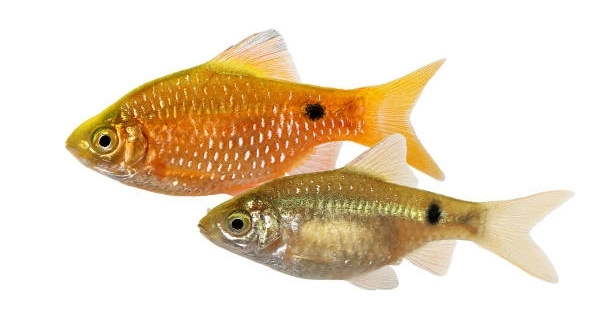
Rosy barbs are colorful freshwater fish often kept in home aquariums. Many owners notice these fish interact in ways that suggest a social order. Understanding this behavior can help maintain a peaceful tank environment.
Rosy barbs form hierarchies through displays of dominance and submission, such as chasing, nipping, and positioning within the tank. These behaviors establish rank and reduce conflicts over resources like food and territory. Observing these signs can reveal the social structure.
Recognizing the signs of hierarchy will improve how you care for your rosy barbs and help keep them healthy and stress-free.
Signs That Rosy Barbs Are Forming a Hierarchy
When rosy barbs form a hierarchy, you will notice certain behaviors more often. One common sign is chasing, where a dominant fish will swim quickly after another to assert control. Another behavior is nipping, which looks like gentle biting but is meant to remind lower-ranked fish of their place. You may also see the fish positioning themselves in certain areas of the tank, with the dominant ones often taking the best spots near food or hiding places. Sometimes, a fish may flare its fins or change color slightly to show dominance. These interactions usually happen in short bursts and then calm down once the social order is clear. Over time, this hierarchy helps keep peace by reducing constant fights over resources.
Dominant rosy barbs usually have priority access to food and the best swimming areas in the tank.
Watching these behaviors carefully will help you understand how your fish get along and allow you to spot any problems early.
How Hierarchies Affect Rosy Barb Behavior
Hierarchies help keep the group organized, but they can also cause stress if the dominant fish becomes too aggressive. In some tanks, the lower-ranked fish may hide more often or eat less because they feel threatened. This can lead to uneven growth and health problems if not managed. It’s important to provide enough space, plants, and hiding spots so shy fish can retreat when needed. Feeding your rosy barbs in multiple areas of the tank can reduce competition and make sure everyone gets enough food. Sometimes, adding more fish or keeping a balanced group with both males and females can reduce aggression because no single fish feels the need to control everything. Understanding how hierarchy influences behavior will help you create a peaceful environment for all your rosy barbs.
Managing Aggression in Rosy Barb Hierarchies
Aggression is a natural part of rosy barb social structure but must be controlled to prevent harm.
To manage aggression, provide plenty of hiding places like plants and decorations. This allows lower-ranked fish to escape if they feel threatened. Keeping the tank well-stocked with enough fish helps spread out aggression, so no single fish is targeted too often. Feeding your fish regularly and in multiple locations also reduces competition that can cause fights. Watching for signs of injury or stress is important so you can act quickly if needed. Sometimes rearranging the tank layout can disrupt established dominance and ease tension among the fish.
In some cases, removing an overly aggressive fish may be necessary to protect the others. Introducing new fish should be done carefully, preferably adding several at once to avoid upsetting the balance.
Supporting Healthy Social Dynamics
Maintaining a balanced group of rosy barbs promotes healthy social behavior. Having a mix of males and females helps prevent males from becoming overly aggressive. Larger tanks give fish more room to establish territories without constant conflict. Regular water changes and good filtration keep fish healthy and less stressed, reducing aggressive behaviors. Watching your fish closely allows you to notice changes in their interactions and intervene when needed. Consistency in care and environment supports a peaceful hierarchy and happier fish overall.
Feeding Rosy Barbs to Reduce Conflict
Feeding rosy barbs evenly helps keep peace in the tank. Distributing food in several spots prevents dominant fish from blocking others.
Using high-quality flakes or pellets designed for tropical fish ensures your barbs get proper nutrition. Feeding small amounts multiple times a day helps reduce competition and stress.
Recognizing Stress in Rosy Barbs
Signs of stress include hiding, loss of color, and reduced appetite. Stressed fish may also swim erratically or isolate themselves.
Address stress by improving tank conditions, increasing hiding spots, and checking water quality regularly.
Tank Setup Tips for Rosy Barb Harmony
A spacious tank with plants, rocks, and open swimming areas supports peaceful hierarchies. Provide hiding spots to reduce stress for lower-ranked fish.
When to Separate Aggressive Rosy Barbs
If aggression leads to injury or constant chasing, separating fish may be necessary to protect their health.
How can I tell if my rosy barbs are stressed because of hierarchy?
Stress in rosy barbs often shows through changes in behavior and appearance. If you notice your fish hiding more than usual, losing their bright colors, or eating less, these are signs of stress. They may also swim nervously or seem tired. Watching these signs closely helps you act before problems get worse.
What should I do if one rosy barb is too aggressive?
If a rosy barb shows constant aggression like chasing or nipping, try adding more plants or hiding spots to the tank. This gives other fish places to escape. You can also feed fish in different areas to reduce competition. If aggression continues, removing the aggressive fish might be needed to keep the group safe.
How many rosy barbs should I keep together?
Keeping at least six rosy barbs together is best. A larger group spreads out aggressive behavior and helps form a stable hierarchy. Too few fish can lead to more bullying because targets are limited. A balanced group with males and females tends to be less aggressive overall.
Does tank size affect rosy barb hierarchy?
Yes, tank size plays a big role. Bigger tanks give fish more space to swim and create territories. This lowers tension and reduces fights. A minimum of 30 gallons is recommended for a small group of rosy barbs. Larger tanks make it easier for fish to avoid conflict.
Can diet affect aggression in rosy barbs?
A proper diet helps reduce aggression by keeping fish healthy and satisfied. Feed high-quality flakes or pellets made for tropical fish. Offering small amounts multiple times a day can prevent competition during feeding time. Avoid overfeeding, which can cause poor water quality and stress.
How often should I check the water in my rosy barb tank?
Regular water checks are important. Test water parameters like ammonia, nitrite, nitrate, and pH at least once a week. Clean water keeps fish healthy and calm. Poor water quality increases stress, which can lead to more aggression.
What are common signs of a well-formed hierarchy among rosy barbs?
A well-formed hierarchy shows less frequent chasing and fighting. Fish settle into roles where dominant ones get better spots, but others have room to swim freely. You may see brief displays of dominance, but most of the time the group moves calmly.
Can adding more fish help with rosy barb aggression?
Adding more rosy barbs can sometimes help by spreading out aggression. However, it’s important not to overcrowd the tank, as this can cause stress. Make sure your tank is large enough and introduce new fish slowly to keep the balance stable.
Are there any tank decorations that help reduce aggression?
Plants, rocks, and caves provide places for fish to hide and reduce tension. Live plants are especially good because they create natural barriers. Open swimming space is also important so fish don’t feel trapped. Rearranging decorations occasionally can disrupt established hierarchies and ease aggression.
Is it normal for rosy barbs to nip fins during hierarchy formation?
Yes, some fin nipping is normal as fish establish rank. It usually stops once the social order is clear. Watch carefully to make sure it doesn’t lead to injury or open wounds, which can cause infections. If fin nipping gets worse, take steps to reduce stress and aggression.
How long does it take for rosy barbs to form a stable hierarchy?
Hierarchy can form within a few days to a couple of weeks after introducing new fish. During this time, you may see more chasing and displays of dominance. After the group settles, aggressive behavior usually decreases and fish settle into their roles.
Can I keep rosy barbs with other fish species without affecting hierarchy?
Yes, peaceful tank mates can work well if they are similar in size and temperament. Avoid slow or long-finned fish, as rosy barbs may nip their fins. Introducing compatible species can help reduce aggression by diverting attention and spreading activity in the tank.
What should I do if a fish is injured from hierarchy fights?
Isolate injured fish in a separate tank or use a breeder box until healed. Keep the injury clean and monitor for signs of infection. Improving tank conditions and reducing aggression can prevent further injuries. Consult a vet or fish specialist for severe cases.
Does the age of rosy barbs affect hierarchy behavior?
Older, larger fish often become dominant because size helps establish rank. Younger fish usually stay lower in the hierarchy until they grow. Mixing fish of similar sizes helps keep aggression more balanced.
How important is lighting for rosy barb behavior?
Proper lighting helps fish stay active and healthy. Too bright light can stress shy fish, while too dim can reduce activity. A regular day-night cycle supports normal behavior and helps reduce stress related to hierarchy conflicts.
Can hierarchy changes happen suddenly?
Yes, changes like adding or removing fish, rearranging the tank, or water quality shifts can upset the hierarchy. This may cause a temporary increase in aggression as fish re-establish their ranks. Monitoring closely during these times helps manage stress and conflict.
Understanding how rosy barbs form a hierarchy is important for keeping your aquarium peaceful and healthy. These fish naturally create social ranks through behaviors like chasing, nipping, and claiming certain spots in the tank. This structure helps reduce fights by giving each fish a clear place in the group. Watching your rosy barbs closely can reveal how they interact and who is dominant. This knowledge lets you make small changes to improve their environment and keep stress low.
Managing aggression is key to maintaining harmony among rosy barbs. Providing enough space, hiding places, and feeding spots reduces competition and helps shy fish feel safe. It’s normal for some chasing and fin nipping to happen while the hierarchy forms, but it should not lead to injury. If you see a fish being targeted too much, rearranging the tank or removing the aggressive fish may be needed. Taking these steps early prevents long-term problems and keeps your fish healthier.
Finally, maintaining good water quality and a balanced diet supports happy, less stressed fish. Regular tank maintenance and monitoring fish behavior help you catch any changes before they become serious. A stable group of rosy barbs with enough room and environmental enrichment will live healthier lives. By understanding their social behavior and responding carefully, you can create a tank where your rosy barbs thrive peacefully together.

Hello,
If you enjoy the content that we create, please consider saying a "Thank You!" by leaving a tip.
Every little bit helps us continue crafting quality advice that supports the health, happiness, and well-being of pets around the world, for pets of all shapes, sizes, and species.
We really appreciate the kindness and support that you show us!