
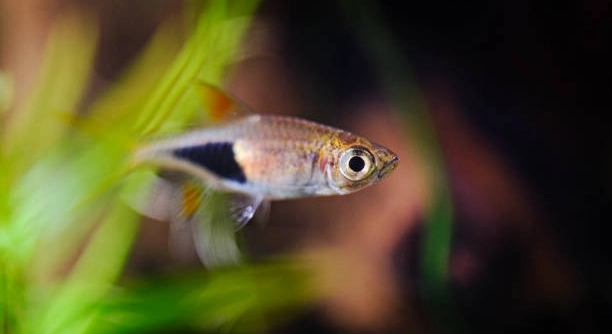
Rasboras are popular small fish known for their peaceful nature and striking colors. Many aquarium owners enjoy keeping them in groups to create a lively and harmonious environment. Observing how well they interact can ensure their wellbeing.
Rasboras getting along display calm swimming patterns, group cohesion, and minimal aggression. Signs of harmony include shared spaces without chasing or nipping, synchronized movements, and healthy behavior among all fish in the tank.
Recognizing these behaviors helps maintain a balanced aquarium and supports your fish’s long-term health and comfort.
Signs of Harmony Among Rasboras
When rasboras get along, their behavior is easy to notice. They swim smoothly in groups without sudden jerks or chasing. The fish stay close but keep personal space, moving as a team instead of fighting over territory. You might see them nibbling calmly at food together or resting in similar areas. Their fins remain intact, showing no signs of damage from aggression. Color remains vibrant, as stress often dulls their appearance. Sometimes, you’ll notice them mirroring each other’s movements, which signals comfort and social bonding. Maintaining clean water and a well-planted tank helps promote this peaceful behavior. Stress from overcrowding or poor water conditions often disrupts their harmony, so keeping these in check is important. Watching their daily interactions can tell you if they feel secure and happy, which is key for a thriving group of rasboras.
Regular observation of your rasboras’ behavior is essential to detect any early signs of stress or conflict, helping you intervene quickly.
Taking steps to improve tank conditions or adjust group size can restore balance, ensuring your rasboras enjoy a peaceful environment.
Common Causes of Aggression in Rasbora Groups
Aggression in rasboras often arises due to overcrowding or an unbalanced sex ratio. When the tank is too small or too many fish compete for space, stress builds quickly. Male rasboras may also become territorial, especially during breeding periods, leading to chasing and fin nipping. Poor water quality adds stress, lowering their tolerance for others and causing unusual aggression. Inadequate hiding spots or lack of plants can leave shy fish feeling exposed, prompting defensive behavior. Introducing new fish abruptly without proper acclimation can also trigger conflicts as the established group adjusts. By monitoring tank size, water parameters, and group composition, aggression can often be minimized. Ensuring a peaceful habitat means providing enough space, maintaining clean water, and offering plants or decorations to break lines of sight and give fish places to retreat. Regularly checking these factors will help keep your rasboras calm and cooperative.
How to Reduce Aggression Among Rasboras
Adjusting the tank setup can quickly reduce aggression. Adding more plants and hiding spots gives fish places to escape and lowers stress. Ensuring there is enough space for each rasbora helps prevent territorial behavior. Avoid overcrowding to keep the group calm.
Plants like Java fern and floating species create natural barriers that break sight lines between fish, reducing conflicts. Rearranging decorations occasionally helps disrupt established territories and resets the social order. Feeding small amounts more frequently can also reduce competition during feeding time. Monitoring the fish’s behavior after these changes shows if aggression is lessening. Patience is important as social balance may take time to return once adjustments are made.
Keeping a balanced sex ratio helps, especially limiting males if they show signs of chasing. Proper water quality maintenance also plays a key role. Clean water reduces stress, making fish less likely to become aggressive. Performing regular water changes and checking parameters keeps conditions ideal for peaceful coexistence.
Observing Group Dynamics Over Time
Watching your rasboras daily helps catch early signs of aggression or illness. Sudden changes in swimming patterns, hiding more often, or damaged fins are red flags. Regular observation also reveals how new fish integrate into the group. It’s normal for some brief chasing during introductions, but persistent aggression means intervention is needed.
Note changes in social behavior during feeding and resting times. Fish that isolate themselves or are constantly chased need special attention. Keeping a journal or notes about behavior can help track patterns and decide when adjustments are necessary. Over time, you learn to understand their normal behavior and can respond quickly to issues.
Routine care, including consistent feeding, clean water, and maintaining plants, supports stable social dynamics. Healthy rasboras are less likely to show stress-related aggression. Adjusting tank conditions based on your observations creates a more harmonious environment. Monitoring group interactions regularly ensures that your fish remain comfortable and secure in their home.
Feeding Habits That Affect Rasbora Behavior
Feeding routines influence how rasboras interact. Overfeeding can cause competition and stress, leading to aggression. It’s best to offer small amounts multiple times a day.
Balanced nutrition helps keep rasboras healthy and less prone to irritability. High-quality flakes, pellets, and occasional live food work well.
Recognizing Stress Signs in Rasboras
Stress signs include faded colors, rapid breathing, and hiding more than usual. These indicate discomfort or aggression within the group.
Early detection allows quick action to prevent worsening problems, maintaining a peaceful tank environment.
Tank Environment Impact on Social Behavior
A well-maintained tank with clean water and sufficient plants promotes calm behavior. Poor conditions increase tension and conflict among rasboras.
Choosing Compatible Tank Mates
Rasboras do best with peaceful species that share similar water needs and temperaments. Aggressive or very active fish can disrupt their social balance.
FAQ
How many rasboras should be kept together?
Rasboras are schooling fish that feel safest in groups. Keeping at least six individuals helps reduce stress and encourages natural social behavior. Smaller groups can cause shy or aggressive tendencies as the fish feel exposed or unable to establish a stable hierarchy. Larger groups, however, require a bigger tank to avoid overcrowding, which can increase tension. A tank of 20 gallons or more is usually suitable for six to eight rasboras, providing enough space for swimming and hiding spots.
What are the signs that rasboras are stressed?
Signs of stress include faded or dull colors, clamped fins, hiding frequently, and rapid or heavy breathing. You might notice the fish isolating themselves from the group or showing reduced activity. Stress weakens their immune system, making them prone to disease. Stress often results from poor water quality, overcrowding, aggressive tank mates, or sudden changes in environment. Monitoring these signs early lets you adjust conditions before issues worsen.
Can rasboras live with other fish species?
Yes, rasboras do well with other peaceful, similarly sized fish that share compatible water needs. Avoid keeping them with aggressive or territorial species, as this can cause bullying and stress. Good tank mates include small tetras, Corydoras catfish, and small peaceful gouramis. Make sure the tank has plenty of plants and hiding places to reduce competition and help all fish feel secure.
How do I reduce aggression if it starts?
Start by checking the tank size and group size; overcrowding often leads to aggression. Add more plants or decorations to break up sight lines and create hiding spots. Feeding small amounts more frequently can reduce competition for food. Adjusting the sex ratio by limiting males can help if males are chasing females or each other. Regular water changes improve overall health and calm behavior. If aggression persists, consider separating the most aggressive individuals temporarily.
What causes rasboras to nip fins?
Fin nipping is usually caused by stress, overcrowding, or lack of hiding spots. It can also be a sign of territorial disputes, especially among males. Poor water conditions and sudden changes can increase irritability. Adding plants and decorations helps break up territories, while maintaining good water quality reduces stress. Ensuring the group is large enough to spread out aggression also helps minimize nipping.
How often should I feed my rasboras?
Feed rasboras small amounts two to three times daily rather than one large meal. This prevents overfeeding and reduces competition during feeding times. Offering a varied diet of flakes, pellets, and occasional live or frozen foods keeps them healthy. Remove any uneaten food after a few minutes to maintain water quality and prevent stress.
Do rasboras need special tank conditions?
Rasboras prefer clean, well-filtered water with a temperature between 72°F and 79°F (22°C–26°C). They thrive in slightly acidic to neutral pH (6.0–7.5). Moderate lighting and plenty of plants create a natural environment that supports their wellbeing. Regular water changes and avoiding sudden changes in water parameters keep them healthy and calm.
How do I introduce new rasboras to an existing group?
Introduce new fish slowly by acclimating them to tank water temperature and chemistry. Use a quarantine tank if possible to monitor for disease before adding them to the main tank. When adding new rasboras, rearranging plants or decorations beforehand can help reduce established territories and ease the introduction. Keep a close eye on behavior for a few days; brief chasing is normal but persistent aggression needs attention.
What is the ideal tank size for rasboras?
A minimum of 20 gallons is recommended for a small school of six to eight rasboras. This provides enough swimming space and allows room for plants and decorations that help reduce aggression. Larger tanks support bigger groups, which is better for their social behavior. Avoid smaller tanks, as tight spaces increase stress and the likelihood of conflicts.
How do I know if rasboras are breeding peacefully?
During breeding, males may become more territorial and show chasing behavior, but this usually remains controlled and brief. Spawning pairs will often separate from the group and choose a quiet area with fine-leaved plants or spawning mops. Eggs are scattered and the adults generally do not harm them. If chasing becomes aggressive or persistent beyond breeding behavior, it may indicate social stress rather than healthy reproduction.
Final Thoughts
Keeping rasboras together successfully depends on paying attention to their behavior and environment. These small fish thrive best in groups where they feel safe and comfortable. Observing their swimming patterns, how they interact, and their overall health can give important clues about whether they are getting along. When rasboras swim calmly in groups without chasing or fin-nipping, it usually means they have found a peaceful balance. On the other hand, frequent chasing, hiding, or damaged fins can signal stress or aggression. Knowing these signs helps in making timely changes to improve their living conditions.
A well-maintained tank plays a major role in helping rasboras stay peaceful and healthy. Clean water, proper temperature, and balanced nutrition reduce stress and prevent many common issues. Providing enough space and plenty of plants or decorations creates natural hiding spots, which can reduce territorial behavior. It is also important to keep the group size appropriate. Too few fish can lead to social stress, while overcrowding increases competition and aggression. Adjusting the sex ratio by limiting males can also help if chasing becomes a problem. These factors combined create an environment where rasboras feel secure and behave calmly.
Patience and regular observation are key when caring for rasboras. Changes in their behavior may not happen immediately after adjustments, so giving them time to settle is important. Keeping a close eye on daily interactions and water quality helps prevent problems from growing. If aggression or stress is noticed, prompt action can save the health and wellbeing of the fish. With consistent care, rasboras can live together peacefully, showing their natural beauty and social charm in the aquarium. Being attentive to their needs makes all the difference in keeping a balanced and happy group.

Hello,
If you enjoy the content that we create, please consider saying a "Thank You!" by leaving a tip.
Every little bit helps us continue crafting quality advice that supports the health, happiness, and well-being of pets around the world, for pets of all shapes, sizes, and species.
We really appreciate the kindness and support that you show us!