
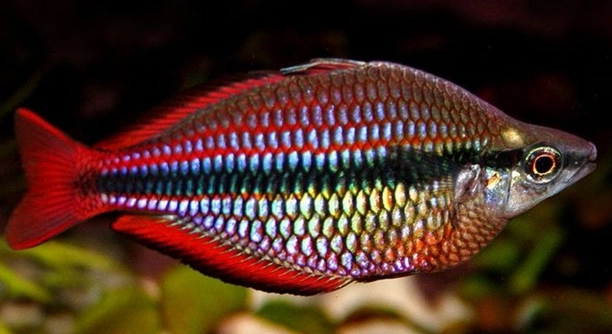
Rainbow fish are active and social creatures, often engaging with each other in various ways. It can sometimes be difficult to tell if they are playing or fighting. Understanding their behavior will help you observe them more closely.
The main difference between playing and fighting in rainbow fish is the intensity of their movements. Playing involves gentle chasing and quick, playful interactions, while fighting includes more aggressive behavior, such as biting and establishing dominance.
Recognizing these signs can help you keep your rainbow fish healthy and stress-free in their tank environment.
Understanding Rainbow Fish Play Behavior
Rainbow fish are known for their active and playful nature. When they are playing, you’ll notice them swimming in quick, darting movements, often in circles or around other fish. They chase each other in an energetic, non-aggressive way. Their playful behavior is typically short-lived and doesn’t result in any harm to other fish. You might see them performing acrobatic flips or quick turns, which is a sign of enjoyment and excitement. These playful interactions are a good sign of a healthy tank environment, where fish feel safe and comfortable with each other.
It’s important to note that these playful moments can often be mistaken for aggression if you’re not familiar with their behavior.
Fish play with each other to bond and socialize. These behaviors are an important part of their social structure, helping them build and maintain relationships with one another. When you observe your rainbow fish in these moments, it shows they’re comfortable in their environment.
Identifying Aggressive Behavior
Aggression in rainbow fish can be a result of stress, territoriality, or competition for resources. In these instances, the fish will display more forceful actions, such as chasing others away or even nipping at fins. Unlike playful behavior, aggressive actions are typically sustained and lead to clear signs of discomfort or harm. These moments are often accompanied by loud splashing or rapid movements that are more direct and forceful.
If you notice persistent aggression, consider checking the tank conditions, ensuring there’s enough space for each fish. A crowded or poorly maintained environment can lead to more frequent aggressive encounters. It’s essential to keep an eye on their behavior to ensure a peaceful tank.
Aggressive behavior is often a sign of an underlying issue, like stress or competition for food. Providing a larger tank, rearranging decorations, or adding more hiding spaces can help reduce these negative behaviors. Regularly maintaining water quality is also vital to keeping your fish stress-free.
Signs of Stress in Rainbow Fish
Stress can lead to both play and aggression, making it more difficult to determine if your rainbow fish are simply playing or if they are stressed. If your fish are swimming erratically or hiding more than usual, stress might be the cause. Another common sign is clamped fins, where the fish keep their fins pressed against their bodies. This behavior is often linked to poor water conditions or overcrowding.
Stress also causes fish to be less active and more prone to lethargy. If your fish appear more sluggish than usual or swim in repetitive patterns, something might be wrong in their environment. Keep an eye on their behavior and check water parameters to ensure they are healthy and comfortable.
Overcrowding can make rainbow fish feel threatened. It’s important to provide enough space for them to establish territories and maintain social hierarchies. If you notice aggression or signs of stress, try increasing the space in the tank and rearranging decorations to help reduce tension.
Tank Size and Environment
The right tank size plays a crucial role in keeping rainbow fish healthy. A cramped tank can cause territorial disputes and stress, leading to fights. A larger tank allows your fish to swim freely and reduces the chances of aggression. Ideally, the tank should have plenty of hiding spots and open swimming areas. The goal is to mimic the natural environment of rainbow fish as much as possible.
Maintaining good water quality is essential for a healthy tank. Regular water changes, proper filtration, and stable temperature all contribute to your fish’s well-being. Rainbow fish are sensitive to sudden changes in water conditions, so consistency is key. Providing plenty of plants, rocks, or driftwood helps simulate their natural habitat, where they can hide and explore. Keep a close eye on the water quality to prevent stress and ensure a balanced environment for your fish.
Proper filtration is just as important. Poor filtration can lead to a buildup of toxins, which can stress your fish and affect their behavior. Regularly check the filter and clean it to ensure the water stays clean and clear. This creates an optimal environment where rainbow fish can thrive.
Monitoring Rainbow Fish Behavior
Pay attention to any sudden changes in behavior. If your rainbow fish are normally playful but begin to show signs of aggression or appear lethargic, something is wrong. This change may indicate stress or that something in the tank environment has shifted.
It’s important to observe not just the fish, but also their surroundings. Look for overcrowding, changes in water quality, or sudden shifts in the tank’s temperature. These factors can trigger behavioral changes, making it harder to differentiate between playing and fighting.
Social Interactions Among Rainbow Fish
Rainbow fish thrive in groups, but their social structure can change depending on tank conditions. In a group, they will often engage in playful behaviors like chasing each other, showing off their vibrant colors. These interactions help them bond and establish hierarchies, reducing overall stress in the tank.
However, if you notice a sudden drop in group cohesion or an increase in tension, check the water conditions. A sudden change in water temperature, pH, or ammonia levels can disrupt their social structure, leading to fights.
Dealing with Aggression
If your rainbow fish are fighting, take immediate steps to calm the situation. Start by assessing their environment: too many fish in a small tank can cause territorial disputes. Consider separating the more aggressive fish or rearranging the tank to reduce tension.
Adding plants and decorations can provide more hiding spots, allowing fish to establish territories. Make sure all the fish in the tank are healthy, as sick fish may become more aggressive.
FAQ
What is the best tank size for rainbow fish?
Rainbow fish need space to swim and thrive. A tank of at least 30 gallons is recommended for a small group. This gives them room to move around and helps reduce territorial behavior. A larger tank, around 55 gallons or more, is even better, especially if you plan on adding more fish. The bigger the tank, the easier it is to manage water conditions and prevent overcrowding, which can lead to stress and aggression.
Can rainbow fish live with other types of fish?
Yes, rainbow fish are generally peaceful and can live with many other species. They do well with other non-aggressive, similarly-sized fish. Avoid keeping them with overly aggressive species or ones that might nip at their fins, as this can cause stress. Best tank mates include tetras, livebearers, and other peaceful community fish.
How often should I feed rainbow fish?
Rainbow fish should be fed once or twice a day, offering them a variety of foods such as flake, pellet, and frozen or live foods like brine shrimp or daphnia. Make sure to feed only what they can consume in a few minutes to prevent overfeeding and water contamination. Feeding a balanced diet helps keep your fish healthy and vibrant.
Why are my rainbow fish hiding?
If your rainbow fish are hiding, it could indicate stress. Possible causes include poor water quality, overcrowding, or aggression from tank mates. Make sure the water parameters are within the proper range, and provide enough hiding spots in the tank to help them feel safe. Also, check that the fish aren’t being bullied by others in the tank.
How do I know if my rainbow fish are breeding?
Rainbow fish often breed in groups, with males displaying vibrant colors to attract females. If your fish are breeding, you’ll notice more chasing and vigorous courtship behavior. Females may appear rounder due to the eggs, and you may see the male swimming alongside her, trying to coax her into a suitable breeding area. After breeding, the female will lay eggs on plants or other surfaces.
Do rainbow fish need a filter?
Yes, rainbow fish require a reliable filtration system to keep the water clean and free of toxins. Proper filtration helps maintain stable water conditions, which are crucial for their health. A good filter ensures that ammonia, nitrites, and nitrates are kept at safe levels. Choose a filter rated for the size of your tank to maintain water quality.
How can I reduce aggression between rainbow fish?
Aggression can often be reduced by providing enough space, hiding spots, and food for all the fish. Ensure that your tank is large enough and that each fish has its own space to establish territory. Adding plants, rocks, or decorations helps create natural barriers. Additionally, providing plenty of food ensures no one fish becomes overly competitive during feeding time. Regular water changes also help maintain a peaceful environment.
Why are my rainbow fish losing color?
Loss of color in rainbow fish can be caused by several factors. Poor water quality, stress, and illness can all lead to dull coloration. Make sure your water parameters are stable, and check for signs of disease. Stressful conditions like overcrowding, incompatible tank mates, or a lack of proper food can also cause your fish to lose their vibrant hues. Ensuring a balanced and comfortable environment should help them regain their color over time.
Can rainbow fish survive without a heater?
Rainbow fish are tropical species, and they require warm water to thrive. Without a heater, the water temperature can fluctuate too much, causing stress and potentially harming your fish. A heater is necessary to maintain a stable temperature, typically between 74°F and 80°F (23°C to 27°C). Check the temperature regularly to ensure your fish are comfortable.
How can I tell if my rainbow fish are stressed?
Stressed rainbow fish may exhibit a few telltale signs. They might swim erratically, hide more often, or appear lethargic. Their fins might also become clamped, and they may stop eating. If you notice these signs, it’s essential to check the water parameters (pH, ammonia, nitrites, and nitrates) and ensure the tank is large enough and properly decorated. Look for signs of bullying or overcrowding, and make adjustments accordingly.
Do rainbow fish need a special diet?
Rainbow fish don’t require a specialized diet, but they thrive on a varied and balanced one. Offer them high-quality flake or pellet food, supplemented with live or frozen foods like brine shrimp, daphnia, or bloodworms. Providing a mix of different food types ensures they receive all the necessary nutrients for good health. Avoid overfeeding, as this can lead to water quality issues.
Final Thoughts
Understanding the behavior of rainbow fish is essential for creating a healthy environment where they can thrive. Recognizing whether they are playing or fighting can help you address any issues before they escalate. These fish are generally peaceful but can become stressed or aggressive under certain conditions, such as poor water quality, overcrowding, or incompatible tank mates. By observing their behavior carefully, you can easily identify when something is off and take the necessary steps to correct it.
Ensuring your rainbow fish have a proper tank setup is key to preventing stress and aggression. A spacious tank with plenty of hiding spots and decorations can help reduce territorial disputes. Regular water changes, stable temperatures, and the right filtration system are also crucial for maintaining a stress-free environment. It’s important to monitor their interactions closely, especially if you have multiple fish or different species in the same tank. Adjusting the number of fish or rearranging the tank layout can sometimes solve problems without the need for further intervention.
Overall, rainbow fish make wonderful additions to a community tank when their needs are met. Their colorful display and peaceful nature can enhance any aquarium. By staying aware of their behaviors and providing the right environment, you can ensure that your rainbow fish remain healthy, happy, and stress-free. Regular observation, water quality maintenance, and thoughtful tank planning will help prevent most common issues, ensuring that your rainbow fish continue to bring beauty and joy to your home.

Hello,
If you enjoy the content that we create, please consider saying a "Thank You!" by leaving a tip.
Every little bit helps us continue crafting quality advice that supports the health, happiness, and well-being of pets around the world, for pets of all shapes, sizes, and species.
We really appreciate the kindness and support that you show us!