
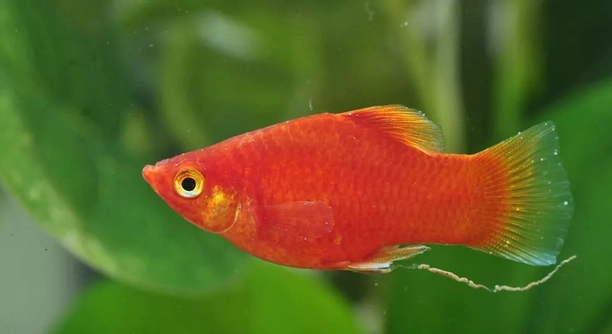
Platies are small, colorful fish that many people enjoy keeping in home aquariums. These lively creatures need a calm environment to thrive and stay healthy. Knowing when platies are overstimulated helps maintain their well-being and comfort.
Platies show signs of overstimulation through rapid swimming, hiding frequently, or displaying unusual aggression. These behaviors indicate stress caused by excess noise, sudden movements, or overcrowding. Identifying these symptoms early is essential for proper care and reducing stress.
Recognizing overstimulation in platies ensures you can create a peaceful space for them to flourish. This article will help you spot these signs and take steps to improve their habitat.
Common Signs of Overstimulation in Platies
Platies often display clear behaviors when overstimulated. One common sign is rapid, erratic swimming around the tank, which can show they feel threatened or uneasy. They may also hide more than usual, seeking shelter behind plants or decorations to avoid stress. Another indication is increased aggression, such as chasing or nipping at tank mates, which is unusual for their normal peaceful nature. Changes in color or dullness can also occur when they are stressed. These signs usually happen because of loud noises, sudden movements outside the tank, or overcrowding inside it. Paying close attention to these behaviors can help you notice when your platies are overwhelmed. It’s important to adjust their environment quickly to prevent long-term health issues caused by stress.
Watching for these behaviors regularly can help maintain a calm environment. Quick action often improves their well-being.
Creating a stable environment involves reducing noise, limiting disturbances, and managing tank population carefully. Proper hiding spots and gentle lighting also help platies feel secure.
Causes of Overstimulation in Platies
Overstimulation often results from external factors such as excessive noise, frequent tapping on the glass, or rapid changes in lighting. These sudden stimuli can confuse or frighten platies. Additionally, overcrowding the tank increases competition for space and resources, raising stress levels. Poor water quality or inconsistent temperature changes can also contribute, weakening their resilience. Understanding these causes allows for better tank management, ensuring a more peaceful habitat for your fish.
Environmental stressors play a major role in overstimulation. Noise and movement outside the tank cause constant alertness in platies. Bright, flickering lights can disrupt their comfort. Overcrowding leads to territorial disputes, causing tension and aggressive behaviors. Maintaining stable water conditions is equally important, as platies are sensitive to changes. Regular monitoring and creating a calm setting greatly reduce these risks, helping fish stay relaxed and healthy in their aquarium.
How to Calm Overstimulated Platies
Reducing stress means creating a quiet, stable environment. Limit loud noises and avoid tapping on the tank glass. Providing plenty of hiding places helps platies feel safe and secure.
Removing sources of sudden disturbances will help your platies relax faster. Keep the tank in a low-traffic area to reduce external stress. Dim lighting and gentle water flow also contribute to a calmer atmosphere. Overcrowding should be avoided by maintaining an appropriate number of fish for your tank size.
Feeding your platies a balanced diet supports their immune system, making them more resilient to stress. Regular water changes keep water quality high, reducing environmental pressures. Monitoring water temperature and parameters ensures conditions stay stable. Taking these steps consistently will help your fish recover and prevent future overstimulation.
Preventing Overstimulation in the Future
Place your tank where it won’t be disturbed by constant movement or noise. A calm spot will help keep platies relaxed over time.
Consistent tank maintenance is key to prevention. Regularly check water quality and keep the number of fish suitable for the tank size. Avoid sudden changes in light or temperature to reduce shock. Make sure decorations and plants provide enough hiding spots. Gentle filtration and low water flow minimize stress. Creating this stable environment reduces the risk of overstimulation and keeps your platies healthy and active for longer periods.
Adjusting Tank Environment
Proper tank setup reduces platies’ stress. Use plants and decorations to create hiding spots. Keep the lighting soft and avoid placing the tank in busy areas.
Maintain steady water temperature and good filtration. Avoid overcrowding by limiting the number of fish in the tank.
Monitoring Behavior Changes
Regular observation is important. Note any sudden changes in swimming, feeding, or interaction. Early detection of stress signs helps prevent bigger problems. If platies show aggression or hide often, check their environment for possible causes.
When to Consult a Professional
If overstimulation signs persist despite changes, seek advice from an aquarium specialist or vet. They can help identify less obvious issues and recommend treatment or adjustments to improve your platies’ health.
FAQ
How can I tell if my platies are stressed or just active?
Platies are naturally active fish, but stress shows through unusual behaviors like frantic swimming, constant hiding, or aggression. Active platies swim calmly and interact peacefully with others. If you notice sudden changes in behavior or color dulling, these are signs of stress rather than normal activity.
What are the most common causes of overstimulation in platies?
Overstimulation usually happens from loud noises, constant tapping on the glass, sudden lighting changes, or overcrowded tanks. Poor water quality and temperature fluctuations also stress platies. Addressing these environmental factors is key to reducing overstimulation and keeping fish healthy.
Can overcrowding cause stress in platies?
Yes, overcrowding leads to competition for space and food, which increases stress. Platies may become aggressive or hide more often when their tank is too crowded. It’s important to keep an appropriate number of fish per gallon to maintain a peaceful tank environment.
How often should I clean my tank to reduce stress?
Regular cleaning is essential but should be balanced. Partial water changes once a week help maintain water quality without shocking the fish. Avoid cleaning the entire tank at once, as this can disrupt beneficial bacteria and stress platies.
Are there specific decorations that help reduce platies’ stress?
Plants, caves, and other hiding spots provide security for platies. Live plants are especially good because they improve water quality while offering shelter. Decorations should be arranged to create spaces where fish can retreat when feeling overwhelmed.
Is lighting important in managing overstimulation?
Yes, harsh or flickering lights can stress platies. Soft, consistent lighting is best to mimic their natural environment. Avoid direct sunlight or bright artificial lights that create rapid changes in brightness. Using a timer can help maintain a regular light schedule.
What should I do if my platies show signs of aggression?
Aggression often indicates stress or overcrowding. Try rearranging the tank layout to break territorial boundaries and add more hiding spots. If aggression continues, consider reducing the number of fish or separating aggressive individuals temporarily.
Can diet affect platies’ stress levels?
A balanced diet supports overall health and resilience against stress. Feeding high-quality flakes or pellets with occasional live or frozen foods provides necessary nutrients. Avoid overfeeding, which can harm water quality and increase stress.
How important is water temperature for platies’ comfort?
Platies thrive between 70-78°F (21-26°C). Sudden temperature changes can cause stress and weaken their immune system. Use a reliable heater and thermometer to keep water temperature steady.
When should I contact a vet or aquarium specialist?
If behavioral changes persist despite improving tank conditions, or if you notice illness symptoms like clamped fins, white spots, or labored breathing, seek professional help. Early intervention can prevent serious health problems in your platies.
Final Thoughts
Taking care of platies involves paying close attention to their behavior and environment. These small fish are sensitive to changes around them, which can cause overstimulation and stress. Recognizing signs like rapid swimming, hiding, or aggression helps you act quickly to improve their living conditions. Keeping a calm and stable tank is important for their health and happiness.
Creating the right environment for platies means managing noise, light, and space carefully. Avoid placing the tank in busy or loud areas where sudden movements can scare them. Use plants and decorations to give them places to hide and feel secure. It’s also important to maintain good water quality by doing regular water changes and monitoring temperature. A balanced diet supports their overall well-being and ability to cope with stress.
If you notice your platies acting differently, don’t ignore it. Early action can prevent health problems and improve their quality of life. Making small adjustments to their tank and daily care routines often makes a big difference. Keeping their environment peaceful and stable ensures they can live comfortably and thrive over time. With attention and care, platies can remain active, colorful, and healthy pets in your aquarium.

Hello,
If you enjoy the content that we create, please consider saying a "Thank You!" by leaving a tip.
Every little bit helps us continue crafting quality advice that supports the health, happiness, and well-being of pets around the world, for pets of all shapes, sizes, and species.
We really appreciate the kindness and support that you show us!