
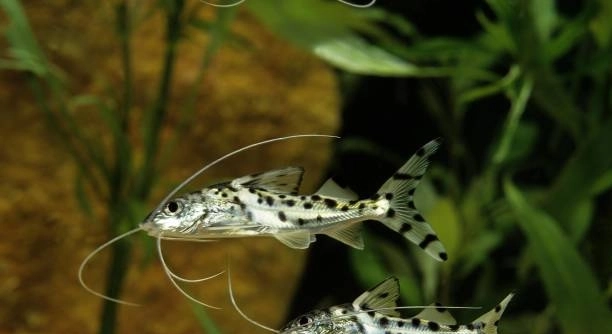
Pictus catfish are popular freshwater fish known for their active and social behavior. Watching them interact can be enjoyable, but sometimes their activity levels may signal overstimulation. Recognizing these signs helps ensure their well-being in your aquarium.
Overstimulation in pictus catfish is indicated by rapid or erratic swimming, excessive hiding, loss of appetite, and increased aggression. These behaviors reflect stress responses due to environmental factors such as lighting, water quality, or tank overcrowding. Proper care requires monitoring these signs closely.
Understanding how to identify and manage overstimulation can improve your catfish’s health and comfort. The following information will guide you in creating a better environment for your aquatic pets.
Common Signs of Overstimulation in Pictus Catfish
Pictus catfish show overstimulation through several clear signs. They may swim rapidly or dart around the tank without rest. This behavior often means they are stressed or uncomfortable. You might also notice increased hiding or staying in one spot for long periods. Sometimes, they lose interest in food, which is a serious concern. Aggressive actions toward other fish or tank decorations can also indicate distress. These behaviors typically happen when the fish are exposed to too much light, sudden movements near the tank, or poor water conditions. Watching your fish closely helps catch these signs early, which is important for their health. Taking action quickly can prevent long-term damage or illness caused by stress. Remember, maintaining stable water quality and a calm environment reduces overstimulation and keeps your pictus catfish active and healthy.
Monitoring these signs regularly allows you to maintain a peaceful habitat for your catfish.
Proper observation ensures timely adjustments to their care routine and environment.
Environmental Factors That Lead to Overstimulation
Bright lighting, loud noises, and overcrowded tanks are common causes of overstimulation in pictus catfish. Sudden changes in water temperature or quality also stress these fish. They prefer calm, dim environments where they can hide and rest without constant disturbance. If your aquarium is too small or filled with too many fish, competition for space and food causes tension. Strong water currents or aggressive tankmates increase stress, making your catfish behave erratically. Keeping the tank clean and stable is essential. Using a dimmer light or adding plants and hiding spots can create a better environment. Avoid tapping on the glass or sudden movements near the tank. Regular water testing helps you maintain ideal conditions, minimizing stress for your fish. Making these changes improves your catfish’s overall well-being and reduces the risk of overstimulation.
How to Calm Overstimulated Pictus Catfish
Reducing stress in overstimulated pictus catfish starts with creating a stable environment. Lowering light levels and minimizing loud noises can help them feel safe. Adding plants or decorations gives them hiding places to retreat.
Once you’ve adjusted the environment, observe their behavior closely. If they continue to swim frantically or hide excessively, check water quality immediately. Regular water changes and testing keep harmful chemicals and toxins at safe levels. Sometimes, changing the tank setup gradually prevents further stress. Patience is key, as sudden changes can worsen overstimulation. Give your catfish time to adapt and return to normal behavior.
Using gentle filtration instead of strong currents also reduces stress. Avoid overcrowding by limiting the number of fish in the tank. Feeding smaller, frequent meals encourages eating and keeps their energy steady. Maintaining calm conditions helps pictus catfish regain their usual, active selves.
Preventing Overstimulation in Your Aquarium
Maintaining a balanced environment is essential to prevent overstimulation. Stable water temperature, proper tank size, and gentle lighting support your catfish’s well-being. Overcrowding should be avoided to reduce competition and stress.
Regular tank maintenance is critical. Clean filters and consistent water changes keep water parameters ideal. Introduce new tankmates slowly to avoid sudden social stress. Observe fish interactions to ensure peaceful coexistence. Using natural decorations and plants creates comfortable hiding spots. Keeping noise levels low around the aquarium reduces external disturbances. Planning your aquarium setup with these factors in mind helps maintain a healthy and calm habitat for your pictus catfish.
Signs That Require Immediate Attention
If your pictus catfish stops eating for several days, it is a serious concern. Prolonged hiding or lethargy also signals that something is wrong and needs quick action.
Sudden aggressive behavior toward other fish or frequent gasping at the water surface can indicate poor water quality or illness. Acting fast can prevent further health issues and help your fish recover more easily.
Adjusting Tank Lighting and Noise Levels
Bright lights and loud noises cause stress in pictus catfish, so controlling these factors is important. Using dimmable lights or placing the tank away from busy areas reduces overstimulation. Soft background noise can help mask sudden sounds, creating a calmer environment for your fish. This helps them feel secure and behave normally.
Feeding Tips to Reduce Stress
Offering smaller, more frequent meals helps reduce stress. Overfeeding can cause water quality problems, so keep portions moderate and consistent.
FAQ
How can I tell if my pictus catfish is overstimulated or sick?
Overstimulation and illness can show similar signs, but there are differences. Overstimulated catfish often swim erratically, hide more, or act aggressive due to stress. Sick catfish may show physical symptoms like clamped fins, spots, or swelling. If your fish stops eating or shows physical changes, illness is likely. Monitoring behavior and appearance closely helps you know what’s going on.
What environmental changes cause overstimulation in pictus catfish?
Bright lighting, loud noises, sudden movements, overcrowded tanks, and poor water quality are common triggers. Strong water currents or aggressive tankmates can also stress your catfish. These factors make the fish feel unsafe and cause erratic or shy behavior.
Can overstimulation harm my pictus catfish long term?
Yes, prolonged overstimulation leads to chronic stress, weakening the immune system. This increases the risk of illness and shortens lifespan. Keeping stress levels low ensures your catfish stays healthy and active over time.
What immediate steps should I take if my catfish shows signs of overstimulation?
First, reduce light intensity and minimize noise around the tank. Add hiding spots with plants or decorations. Check water quality by testing ammonia, nitrites, and nitrates, and do a partial water change if needed. Avoid sudden tank changes or adding new fish during this time.
How often should I test the water to prevent overstimulation?
Testing once a week is ideal. Frequent checks help catch any problems early before stress builds up. Keeping ammonia and nitrites at zero and nitrates below 20 ppm creates a stable environment.
Is tank size important for reducing overstimulation?
Absolutely. Pictus catfish are active swimmers and need space. A tank smaller than 30 gallons can cause overcrowding and stress. Larger tanks with enough hiding spots support healthier behavior.
What kind of hiding spots work best?
Natural decorations like driftwood, rocks, and live or artificial plants provide secure retreats. Hiding places reduce stress by giving your catfish control over their environment. Make sure these spots are spread out and accessible.
Can I use filters with strong water flow?
Strong currents can cause stress. Use gentle filtration or add flow deflectors to soften water movement. Pictus catfish prefer calmer waters where they can swim comfortably without fighting strong currents.
Should I feed my pictus catfish differently when it’s stressed?
Feeding smaller, more frequent meals helps reduce stress. Avoid overfeeding, as leftover food can harm water quality. Choose high-quality sinking pellets or live foods that your catfish prefers.
How do I introduce new fish without causing overstimulation?
Introduce new fish slowly by quarantining them first. Add them to the tank during calm times and watch for aggressive behavior. Providing plenty of hiding places helps reduce tension. Avoid adding many fish at once to keep the environment stable.
Can lighting schedules affect overstimulation?
Yes, sudden changes in lighting can cause stress. Use a timer for consistent light cycles, ideally 8 to 10 hours per day. Gradually adjust light intensity when needed to help fish adapt.
What role does tank maintenance play in preventing overstimulation?
Regular cleaning prevents waste buildup and harmful toxins. Removing uneaten food, vacuuming gravel, and cleaning filters keep water safe. Consistent maintenance reduces stress by keeping the habitat healthy.
Is it normal for pictus catfish to be active at night?
Yes, they are nocturnal and often more active in low light. Providing a dim environment at night helps them feel secure. Avoid sudden bright lights during their active hours to prevent stress.
Can overcrowding cause overstimulation even if water quality is good?
Yes, overcrowding increases competition and aggression. Even with good water quality, too many fish stress each other. Keeping an appropriate number of tankmates ensures peace and reduces overstimulation.
What should I do if aggressive behavior continues despite environmental changes?
Isolate aggressive fish temporarily to prevent injury. Check tank size and rearrange decorations to break up territories. Adding more hiding spots can reduce conflict. In some cases, rehoming aggressive fish may be necessary for a peaceful tank.
How long does it take for overstimulated pictus catfish to recover?
Recovery depends on the severity of stress and changes made. With proper care, most catfish improve within a week or two. Consistency in water quality, environment, and diet supports faster healing.
Can stress in pictus catfish affect other fish?
Yes, stressed fish can trigger stress in tankmates, increasing aggression and illness risk. Maintaining a calm environment benefits all species sharing the tank.
Are there any supplements that help reduce stress?
Some aquarium products contain natural stress reducers or vitamins. Use these cautiously and follow instructions. They can support recovery but do not replace proper tank care.
Is it necessary to consult a vet if my pictus catfish is overstimulated?
If behavior does not improve or illness signs appear, consulting a vet is wise. Professional advice helps diagnose and treat underlying health issues.
How can I keep track of my catfish’s behavior effectively?
Keep a simple journal noting daily behavior, feeding, and water tests. This helps spot patterns or early signs of overstimulation. Regular observation is key to healthy fish care.
Final thoughts on caring for pictus catfish focus on maintaining a calm and stable environment. These fish are naturally active but can become stressed when their surroundings change suddenly or become too intense. Overstimulation affects their behavior and health, so it is important to watch for signs like erratic swimming, hiding, or aggression. By understanding what triggers stress and how to respond, you can help your catfish live comfortably and happily in your aquarium.
Consistency in tank conditions plays a key role in preventing overstimulation. Regular water testing and cleaning keep harmful chemicals low and water clear, which supports healthy fish. Controlling lighting, noise, and tank population creates a peaceful habitat. Adding plants and decorations gives your catfish places to hide and feel secure. When changes are needed, making them slowly helps your fish adjust without unnecessary stress. These small steps can greatly improve your pictus catfish’s well-being and behavior over time.
Paying attention to your fish’s daily habits is valuable. Noticing changes early can prevent bigger problems later. Feeding properly, providing enough space, and ensuring a quiet environment all contribute to lowering stress. If overstimulation signs appear, taking quick action to adjust the environment usually helps. Your care and attention make a difference in keeping your pictus catfish healthy and active. Maintaining a balanced and calm aquarium environment supports the long-term happiness of these lively fish.

Hello,
If you enjoy the content that we create, please consider saying a "Thank You!" by leaving a tip.
Every little bit helps us continue crafting quality advice that supports the health, happiness, and well-being of pets around the world, for pets of all shapes, sizes, and species.
We really appreciate the kindness and support that you show us!