
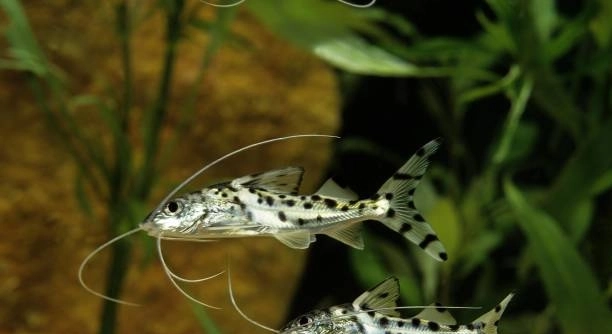
Many fish owners enjoy keeping pictus catfish because of their lively behavior and striking appearance. However, these fish sometimes compete for space in community tanks. Recognizing when they are competing is important for maintaining a peaceful aquarium environment.
Pictus catfish exhibit territorial behavior when space is limited, often resulting in chasing, nipping, or blocking access to hiding spots. These behaviors indicate competition for territory and resources, which can affect their health and overall well-being.
Understanding the signs of space competition helps you create a better habitat and keep your pictus catfish comfortable and stress-free.
Signs of Space Competition Among Pictus Catfish
When pictus catfish compete for space, several behaviors become noticeable. They may chase each other around the tank or nip at fins. You might see them pushing one another away from hiding spots or preferred swimming areas. This behavior usually happens when the tank is crowded or lacks enough places to hide. Over time, stressed fish may become less active or show signs of injury. Watching how they interact during feeding times can also reveal competition, as some fish try to block others from getting food. Ensuring your tank has plenty of plants, rocks, and decorations helps reduce these conflicts. Giving each fish enough room and places to retreat is key to preventing aggressive behavior and keeping your pictus catfish happy.
Adding more hiding spots or increasing tank size often eases competition and creates a calmer environment.
Keeping an eye on these behaviors allows you to take action before stress harms your fish. Simple changes like rearranging decorations or adjusting fish numbers can improve their space sharing.
How Tank Setup Affects Space Competition
Tank size and layout greatly impact how pictus catfish share space. A small tank with limited hiding spots increases stress and fights. These fish need places to hide and explore to feel secure. A larger tank with rocks, plants, and caves reduces tension by providing separate zones. Even distribution of decorations helps prevent dominant fish from taking over one area. Regular cleaning and maintenance also improve water quality, which keeps fish healthy and less prone to aggression. Tankmates matter too; peaceful species create a better environment, while aggressive ones may increase competition. Balancing these factors makes it easier for pictus catfish to coexist without constant disputes.
Setting up a tank that meets the needs of your pictus catfish is essential for peaceful behavior.
Monitoring Behavior Over Time
Regular observation helps detect if pictus catfish are competing for space. Look for repeated chasing or hiding, which signal ongoing stress. Changes in eating habits can also indicate trouble.
Keeping a behavior journal can be useful. Note when and where conflicts happen, and which fish are involved. This information helps identify patterns and decide if tank adjustments are needed. Sometimes, competition is seasonal or linked to changes in the environment, like new tankmates or rearranged decorations. Monitoring behavior closely allows you to act early and prevent serious fights.
If conflicts persist, consider separating aggressive fish or increasing tank size. Small changes based on observation can lead to a healthier, more peaceful aquarium.
Feeding and Competition
Feeding time often reveals space competition among pictus catfish. Dominant fish may block others, limiting access to food. Uneven feeding can stress the less aggressive fish and affect their health.
To reduce feeding conflicts, distribute food in several spots around the tank. This encourages all fish to eat without fighting. Using sinking pellets can help pictus catfish feed naturally at the bottom, avoiding competition with surface feeders. Feeding smaller amounts more frequently also minimizes aggressive behavior during meals. Adjusting feeding routines ensures all fish get enough nutrition and helps maintain peace during this critical time.
Providing Enough Hiding Spots
Pictus catfish need plenty of hiding spots to reduce competition. Rocks, plants, and caves offer safe spaces where they can rest without feeling threatened.
Without enough hiding places, they become stressed and more likely to fight. Distributing decorations evenly helps create multiple territories.
Adjusting Stocking Levels
Keeping too many pictus catfish in a small tank increases competition. Overstocking leads to limited space and higher aggression among fish.
Reducing the number of fish or upgrading to a larger tank improves their comfort and decreases conflicts. Proper stocking levels are key to a peaceful aquarium.
Recognizing Stress Signs
Stress in pictus catfish can show through dull colors, hiding, or reduced activity. These signs often result from space competition and aggression.
Noticing these early allows for timely changes to improve their environment and health.
FAQ
How can I tell if my pictus catfish are stressed from competition?
Stress signs include hiding more than usual, losing their bright color, and showing less activity. You might also notice fin damage from chasing or nipping. These behaviors usually mean the fish feel unsafe or crowded in their environment.
What tank size is ideal to prevent space competition?
A tank of at least 30 gallons is recommended for a small group of pictus catfish. Larger tanks give them more room to swim and hide, which lowers the chance of fights. Overcrowding in smaller tanks often causes stress and aggression.
Can tank decorations reduce fighting among pictus catfish?
Yes, adding rocks, plants, and caves creates multiple hiding places and territories. This helps fish avoid each other when needed and reduces competition. Spread decorations evenly to prevent one fish from dominating a prime spot.
Is it normal for pictus catfish to chase each other?
Some chasing is normal, especially during feeding or when establishing territory. However, constant or aggressive chasing is a sign of stress or lack of space. If chasing leads to injury, changes in tank setup or fish numbers may be necessary.
Should I separate aggressive pictus catfish?
If a fish shows repeated aggression that causes injury, separating it temporarily can help reduce stress for all. After giving space, slowly reintroduce fish with new hiding spots. Persistent aggression may mean keeping aggressive individuals apart permanently.
How does feeding affect space competition?
Feeding time can increase competition if some fish block others from food. Distributing food in several spots and using sinking pellets lets pictus catfish feed without fighting. Smaller, frequent feedings also reduce aggressive behavior.
Can other fish species increase space competition for pictus catfish?
Yes, aggressive or territorial tankmates may increase stress for pictus catfish by limiting space or hiding places. Peaceful community fish are better companions and help maintain harmony. Consider tankmate behavior when setting up your aquarium.
What are signs that my pictus catfish tank is overcrowded?
Signs include frequent chasing, damaged fins, constant hiding, and stressed behavior. Overcrowding limits swimming space and increases competition for food and shelter. Monitoring fish behavior helps identify when tank size or stocking levels need adjustment.
How often should I rearrange decorations to reduce competition?
Occasional rearranging can disrupt established territories and lower aggression. Doing this every few weeks or when new fish are added helps keep the environment dynamic. Just be sure to move decorations gently to avoid stressing the fish.
Are there other ways to calm pictus catfish besides increasing space?
Improving water quality through regular maintenance, providing consistent lighting, and minimizing loud noises also reduce stress. A stable, clean environment helps fish feel secure, which lowers aggressive and competitive behavior.
When keeping pictus catfish, understanding how they use space is important for their well-being. These fish are naturally active and enjoy swimming around, but they also need places to hide and feel safe. When there is not enough space or hiding spots, they may compete with each other. This competition can cause stress, injuries, and changes in behavior that affect their health. Paying attention to their actions and tank setup helps reduce these problems. Ensuring a proper environment makes it easier for pictus catfish to live together peacefully.
Creating a tank that meets the needs of pictus catfish involves more than just size. Providing enough hiding places like plants, caves, or rocks helps each fish find a spot to rest or escape from others. These spots reduce tension and prevent constant chasing or fights. Also, keeping the right number of fish for the tank size is crucial. Overcrowding increases stress and leads to more competition. A larger tank with well-placed decorations gives pictus catfish room to explore and claim small territories, which helps them feel secure and comfortable.
Monitoring behavior regularly is an easy but effective way to care for pictus catfish. Watching for signs like chasing, hiding, or changes in eating habits shows if space competition is a problem. Early detection lets you make simple adjustments, such as adding decorations, changing feeding routines, or reducing fish numbers. Keeping water quality stable and choosing peaceful tankmates also lowers stress. When these steps are followed, pictus catfish can thrive in a calm, healthy aquarium where they share space without constant conflict.

Hello,
If you enjoy the content that we create, please consider saying a "Thank You!" by leaving a tip.
Every little bit helps us continue crafting quality advice that supports the health, happiness, and well-being of pets around the world, for pets of all shapes, sizes, and species.
We really appreciate the kindness and support that you show us!