
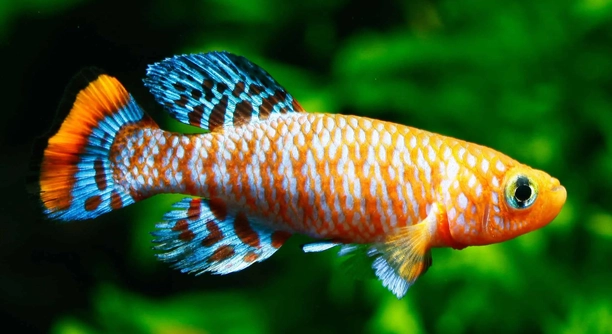
Killi fish are popular for their vibrant colors and unique behaviors. Keeping them healthy requires attention to their environment, especially the water temperature. Knowing when the water is too hot can help prevent stress and illness in these delicate fish.
Killi fish show signs of heat stress through rapid gill movement, lethargy, loss of appetite, and sometimes erratic swimming. Maintaining water temperature within their optimal range, usually between 22°C and 26°C, is crucial for their well-being and survival.
Recognizing these signs early helps protect your fish and keeps their habitat stable for long-term care.
Signs That Killi Fish Are Too Hot
When killi fish are exposed to water that is too warm, they start showing clear signs of discomfort. One common symptom is rapid gill movement, which indicates they are struggling to breathe. You might also notice your fish becoming less active or hiding more than usual. Loss of appetite is another warning sign, as heat stress affects their metabolism. Erratic swimming patterns, such as darting around or floating near the surface, can also occur. Over time, prolonged exposure to high temperatures can weaken their immune system, making them more prone to diseases. Monitoring these behaviors closely is important to ensure your fish remain healthy. Adjusting the water temperature gradually can help bring relief and restore normal activity levels.
Keeping the water between 22°C and 26°C generally prevents overheating. Sudden changes in temperature should be avoided to minimize stress.
Proper temperature control supports your killi fish’s natural behavior and long-term health. Maintaining consistent conditions reduces risks and promotes a stable environment for your aquatic pets.
How to Lower the Temperature Safely
Lowering the temperature in a killi fish tank needs careful handling to avoid shock. Gradually reduce the temperature by small increments each day until it reaches the safe range. Using a fan to increase evaporation or adding cooler water in small amounts can help. Avoid pouring cold water directly into the tank, as sudden shifts can harm the fish. You may also want to check the room temperature and move the tank away from heat sources like sunlight or heating vents. Maintaining proper filtration and aeration supports oxygen levels, which can drop when water is too warm. Regular temperature monitoring with a reliable thermometer is essential for early detection and quick action.
A slow and steady approach ensures your fish adjust comfortably to cooler conditions.
Taking these steps will keep your killi fish comfortable and prevent future heat-related problems. Consistency and care in managing the tank temperature are key to their well-being.
Common Causes of High Water Temperature
High water temperature often comes from direct sunlight exposure or poor tank placement near heaters or warm appliances. Inadequate ventilation in the room can also contribute. These factors increase the heat inside the aquarium, making it uncomfortable for killi fish.
It is important to place the tank away from windows or direct sunlight. Even indirect sunlight through glass can raise water temperature over time. Check nearby heat sources such as lamps, heating vents, or electronic devices that emit warmth. Improving room ventilation by opening windows or using fans can help regulate temperature. Using a tank hood or cover that blocks sunlight is another effective way to keep heat out. Consistently monitoring the temperature during hot days is essential to prevent sudden spikes.
Adjusting the tank’s location and controlling the surrounding environment are simple but effective ways to maintain a safe temperature for your fish.
Using Equipment to Control Temperature
Investing in an aquarium chiller or cooling fan can be helpful when room temperature remains high. These devices keep water temperature stable without stressing the fish. Setting the equipment to the desired temperature prevents overheating.
Many aquarium chillers offer adjustable settings to maintain precise temperature control. Cooling fans help by increasing evaporation, which naturally lowers water temperature. These devices are especially useful during summer months or in warm climates. Choosing quiet, energy-efficient equipment ensures minimal disruption in the room. Proper placement of fans to circulate air around the tank also improves cooling effects. Always pair equipment use with regular temperature checks to confirm settings are effective. Equipment adds a layer of security, giving peace of mind about your fish’s environment.
Integrating technology with daily care improves the chances of maintaining ideal conditions consistently.
Monitoring Water Temperature Regularly
Consistent monitoring is key to preventing heat problems. Use a reliable thermometer to check the temperature daily. This simple habit helps catch temperature changes early before they affect your killi fish.
Keeping a log of temperature readings can reveal patterns. Adjust care based on this information to maintain a stable environment. This small effort improves overall tank health significantly.
Effects of Overheated Water on Killi Fish
Overheated water reduces oxygen levels, making it harder for killi fish to breathe. High temperatures can also stress their immune system, increasing vulnerability to diseases. Prolonged exposure leads to weakened health and shorter lifespans. Rapid water evaporation caused by heat can concentrate toxins, harming your fish further.
Maintaining a cool, stable environment prevents these risks and supports their natural behaviors.
Adjusting Tank Environment
Adding live plants and providing shade inside the tank helps keep water cooler naturally. Plants absorb heat and offer hiding spots, reducing stress for your fish.
FAQ
How do I know if my killi fish are stressed from heat?
Killi fish stressed by heat often breathe rapidly, swim erratically, or become unusually inactive. You may notice them hiding more or losing their appetite. These signs indicate they are uncomfortable, and the water temperature is likely above their ideal range.
What is the ideal temperature range for killi fish?
The best water temperature for killi fish generally falls between 22°C and 26°C (72°F to 79°F). Keeping the temperature steady within this range supports their health and natural behaviors. Sudden temperature changes should be avoided.
Can too cold water harm killi fish?
Yes, water that is too cold can also stress killi fish. They thrive in moderate temperatures, and water below 20°C (68°F) can slow their metabolism, weaken their immune system, and reduce activity levels.
What are the safest ways to cool down an overheated tank?
To safely lower temperature, gradually add cooler water in small amounts or use a fan to increase evaporation. Avoid sudden temperature drops, as they can shock your fish. Moving the tank to a cooler area and blocking sunlight helps too.
Are aquarium chillers necessary for killi fish?
Aquarium chillers are not always necessary but can be helpful in hot climates or during summer. They keep temperature steady without stressing fish and offer peace of mind for consistent control.
How often should I check the tank temperature?
Daily temperature checks are recommended. This habit lets you catch fluctuations early and make adjustments before fish become stressed. Using a digital thermometer provides accurate readings.
Can live plants help regulate tank temperature?
Yes, live plants provide shade and absorb some heat, which can naturally lower water temperature. They also improve water quality and offer hiding spots, reducing stress for killi fish.
What should I do if my fish show signs of heat stress?
Immediately check the water temperature and begin lowering it slowly. Improve tank ventilation and reduce direct heat exposure. Monitor fish closely and perform partial water changes if necessary to improve oxygen levels.
Does water evaporation affect tank temperature?
Water evaporation increases with heat and helps cool the tank slightly, but it also concentrates waste and toxins. Regular water changes are important to maintain water quality when evaporation rates rise.
Is it safe to use ice cubes to cool aquarium water?
Using ice cubes directly in the tank is not safe. It causes rapid temperature changes that shock fish. Instead, cool water should be added gradually after reaching room temperature to prevent sudden shifts.
How do temperature fluctuations affect killi fish?
Frequent or sudden temperature changes cause stress, weaken the immune system, and can lead to illness. Stability is essential for their health, so maintaining a consistent temperature range is important.
Can equipment failure cause temperature problems?
Yes, heater or chiller malfunctions can cause water temperature to rise or drop unexpectedly. Regularly inspect and test equipment to ensure it is working properly and maintain backups if possible.
How does room temperature impact aquarium temperature?
Room temperature strongly influences the tank’s water temperature. Hot rooms raise water heat, while cooler rooms help keep it stable. Managing the ambient temperature can prevent problems with overheating.
Are there signs of permanent damage from heat in killi fish?
Prolonged exposure to high temperatures can cause lasting health issues like organ damage, weakened immune function, and stunted growth. Early intervention helps avoid permanent harm.
What’s the best way to prevent heat stress in killi fish?
Maintaining stable, appropriate temperatures through careful monitoring, proper tank placement, and equipment use prevents heat stress. Regular care and adjustments keep the environment safe and comfortable for your fish.
Final Thoughts
Keeping killi fish healthy depends greatly on maintaining the right water temperature. Water that is too hot can cause stress, illness, and even death in these delicate fish. It is important to understand the signs of overheating and act quickly to correct the situation. Watching for rapid gill movement, lethargy, loss of appetite, or unusual swimming patterns can help identify when your fish are uncomfortable. Early detection allows for timely changes that can protect your fish and improve their overall well-being. Consistent care and attention to their environment are key factors in successful fishkeeping.
Temperature control involves more than just monitoring. It also requires proper tank placement and equipment use. Keeping the aquarium away from direct sunlight and heat sources prevents temperature spikes. Using reliable thermometers daily ensures you always know the water conditions. When temperatures rise, gradual cooling methods such as adding cooler water carefully or using fans are best to avoid shocking your fish. For warmer climates, aquarium chillers or cooling fans can provide steady temperature control. Incorporating live plants adds a natural way to help regulate the tank environment. These combined efforts create a more stable, comfortable habitat for your killi fish.
Taking these steps ensures your killi fish have the best chance to thrive. Overheating can be avoided by staying aware of the temperature and reacting promptly to any changes. A healthy tank environment supports your fish’s natural behaviors and helps prevent illness. Regular maintenance and monitoring become part of caring for your fish, making a positive difference in their lifespan and happiness. With consistent attention, you can enjoy watching your killi fish flourish in a well-balanced aquarium setting.

Hello,
If you enjoy the content that we create, please consider saying a "Thank You!" by leaving a tip.
Every little bit helps us continue crafting quality advice that supports the health, happiness, and well-being of pets around the world, for pets of all shapes, sizes, and species.
We really appreciate the kindness and support that you show us!