
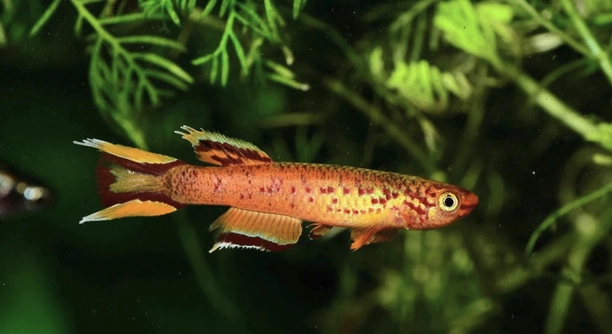
Killi fish are small, colorful freshwater fish often kept as pets. Many owners want to understand their behavior, especially when they start bonding. Recognizing these signs can help ensure a peaceful aquarium environment.
Killi fish show bonding through close swimming, gentle chasing, and sharing hiding spots. They often mirror each other’s movements and display calm behavior around one another, indicating trust and social connection.
Learning to identify these behaviors will help you better care for your killi fish and support their natural interactions in your tank.
Signs That Killi Fish Are Bonding
Killi fish bonding starts with subtle behaviors that show they feel comfortable with each other. You may notice them swimming close together more often than usual, which is a good sign they are forming a connection. Gentle chasing is another behavior, where one fish follows the other slowly without aggression. Sharing hiding spots peacefully is also a key indicator. When killi fish are bonded, they tend to synchronize their movements, creating a calm atmosphere in the tank. These behaviors help reduce stress and promote social interaction. Watching your killi fish carefully will reveal these bonding signs over time, especially when they begin to spend longer periods near each other.
When killi fish bond, they show less aggression and more calm, coordinated behavior.
Noticing these early signs of bonding helps you maintain a peaceful tank. Encouraging their connection with proper tank setup and consistent care can improve their overall well-being and happiness.
How to Encourage Bonding in Killi Fish
To support bonding, keep the tank environment stable with clean water and enough plants or decorations for hiding spots. Avoid sudden changes that may stress the fish. Feeding them regularly and offering a varied diet helps build trust. Allow your fish time to get used to each other without overcrowding the tank. Grouping killi fish with similar sizes reduces chances of dominance issues. It’s important to observe their behavior daily, making sure no fish is left out or bullied. A calm environment encourages peaceful interactions, making bonding easier. Patience is key, as bonding can take days or weeks depending on the fish. Taking these steps creates a safer space for killi fish to form social bonds naturally.
Common Behaviors That Show Bonding
Killi fish often swim side by side, showing trust and comfort. They gently chase each other without aggression. These behaviors are signs they feel safe and connected in their environment.
Swimming closely together creates a sense of security for killi fish. This close contact helps them feel less threatened by the surroundings. Gentle chasing is a form of social play rather than aggression. When they share hiding spots without conflict, it shows they respect each other’s space. These behaviors build a peaceful social group within the tank. Over time, this bonding reduces stress and encourages healthy interaction.
Killi fish also tend to mirror each other’s movements when bonded. This synchronized swimming strengthens their connection and signals cooperation. Watching these subtle behaviors makes it easier to understand their social needs and care for them properly.
How Tank Setup Affects Bonding
A well-planted tank with plenty of hiding spots encourages bonding by providing a safe space for killi fish. This reduces stress and allows them to interact naturally.
Proper tank size is important too. Overcrowding causes competition and stress, which hinders bonding. Clean water with stable temperature and pH also supports healthy social behavior. By creating a calm environment, you allow killi fish to form strong connections. Adding plants or decorations lets them explore and find comfort zones. These factors all work together to promote peaceful interactions and bonding within the group.
How Feeding Time Shows Bonding
Killi fish that bond often eat close together without showing signs of aggression. They share food areas calmly.
When feeding, bonded killi fish may take turns or eat side by side. This peaceful behavior reflects trust and comfort among them.
Signs of Stress That Affect Bonding
If killi fish are stressed, they may hide more, swim erratically, or become aggressive. Stress can break down bonds quickly.
Stress from poor water quality, overcrowding, or sudden changes harms their social connection. Keeping their environment stable is essential to prevent these problems.
Watching for Long-Term Bonding
True bonding is seen when killi fish stay close for weeks and interact calmly daily. This consistency shows a strong social bond.
Impact of Lighting on Behavior
Proper lighting helps killi fish feel secure and encourages natural behaviors. Too bright or too dim light can cause stress and disrupt bonding.
FAQ
How long does it take for killi fish to bond?
Killi fish bonding can take anywhere from a few days to several weeks. It depends on the individual fish and their environment. Stable tank conditions and enough space help speed up the process. Rushing or forcing interaction can cause stress and delay bonding.
Can different species of killi fish bond?
Some species of killi fish can bond if they share similar temperaments and tank needs. However, bonding is more common and stronger between fish of the same species. Mixing species may lead to aggression or competition, so careful observation is important.
What should I do if my killi fish are fighting?
If fighting occurs, first check the tank size and environment. Overcrowding or lack of hiding spots often causes aggression. Separate aggressive fish if needed and improve tank conditions. Sometimes giving the fish time apart before reintroducing them can help.
Does breeding affect bonding in killi fish?
Breeding can strengthen bonds between certain pairs, especially during courtship. However, it may also cause temporary aggression as fish compete or protect eggs. After breeding, some fish return to peaceful social behavior, but monitoring is important to avoid stress.
How do I know if my killi fish are stressed?
Signs of stress include hiding excessively, rapid breathing, loss of appetite, or erratic swimming. Stress weakens bonding and may cause illness. Maintaining clean water, stable temperature, and a calm environment reduces stress and supports bonding.
Can bonding improve killi fish health?
Yes, bonded fish often show lower stress levels, which supports their immune system. Peaceful social interactions can encourage natural behaviors and increase activity. A calm group is less likely to suffer from disease or injury.
Should I introduce new killi fish to an existing group?
Introducing new fish requires care. Quarantine new fish first to avoid disease spread. Introduce them slowly and provide plenty of hiding spaces. Watch closely for aggression and be ready to separate if needed. Bonding takes time, especially with new arrivals.
How often should I observe my killi fish for bonding signs?
Daily observation is best. Short, regular checks help you notice changes in behavior early. This lets you address any issues quickly and support healthy bonding. Try to keep observation calm and quiet to avoid stressing the fish.
Can tank mates affect killi fish bonding?
Yes, tank mates that are too aggressive or active can disturb bonding behavior. Choosing peaceful, compatible species helps maintain a calm environment. Avoid overcrowding and keep an eye on interactions between all fish in the tank.
What role does water quality play in bonding?
Good water quality is crucial. Poor water conditions cause stress, which breaks down social bonds. Regular testing, water changes, and filtration keep the tank healthy. Stable temperature and pH levels also support natural behavior and bonding.
Are there any signs that show a bond is weakening?
Yes, increased aggression, frequent chasing, or one fish hiding more often can mean bonds are breaking. Stress or illness may cause these changes. If you notice this, check the environment and health of the fish to fix any problems quickly.
Can killi fish bond with humans?
While killi fish don’t bond with humans like some pets, they can become familiar with your presence. Regular, gentle care and feeding help them feel secure around you. They may swim closer when you approach, showing a level of trust.
Does tank size influence bonding?
A tank that is too small increases stress and aggression, preventing bonding. Providing enough space for swimming and hiding spots encourages peaceful interaction. Larger tanks with proper decoration support healthier social groups.
What types of hiding spots help bonding?
Plants, caves, and decorations offer safe places where fish can retreat if needed. These spots reduce stress and prevent conflicts, helping bonds grow stronger. Varied hiding places let fish choose their comfort zones without competition.
How do temperature changes impact bonding?
Sudden or frequent temperature changes stress killi fish and disrupt social behavior. Maintaining a stable temperature within their preferred range supports bonding. Using a reliable heater and monitoring regularly helps avoid harmful fluctuations.
Final Thoughts
Understanding how killi fish bond is important for anyone who keeps them in an aquarium. Their small size and bright colors make them enjoyable to watch, but their social behavior is just as interesting. Bonding among killi fish shows they feel safe and comfortable in their environment. When fish swim closely together, share hiding spots, and show calm behavior, it is a good sign they have formed a bond. Paying attention to these behaviors helps you know if your fish are healthy and happy. It also allows you to create a better environment for them to live peacefully.
Maintaining a stable tank is key to encouraging bonding. Factors like clean water, proper temperature, and enough space affect how well killi fish connect. Overcrowded or dirty tanks cause stress and aggression, which stop bonding from happening. Providing plenty of plants and hiding spots gives fish a safe place to rest and avoid conflict. Feeding a regular and varied diet also helps build trust among the fish. These small actions can make a big difference in how your killi fish interact and live together.
Bonding between killi fish may take time, and it is important to be patient. Each fish has its own personality, and some may bond faster than others. Rushing or forcing fish together can cause stress and harm their relationships. Instead, give your fish space and time to get used to one another naturally. Observing their behavior regularly will help you see when bonding is happening or if there are problems to fix. By understanding and supporting their social needs, you help your killi fish live a healthier and more peaceful life in your care.

Hello,
If you enjoy the content that we create, please consider saying a "Thank You!" by leaving a tip.
Every little bit helps us continue crafting quality advice that supports the health, happiness, and well-being of pets around the world, for pets of all shapes, sizes, and species.
We really appreciate the kindness and support that you show us!