
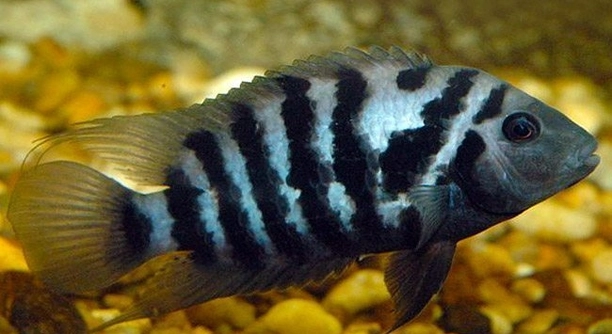
Do you ever find yourself watching your cichlids closely, trying to figure out if they’re just being playful or starting a fight?
Cichlids are often mistaken as playing when they are actually establishing dominance or defending territory. Behaviors like chasing, nipping, or locking jaws typically indicate aggression, while synchronized swimming and brief nudges can signal playful interactions.
Understanding their body language and tank dynamics will help you spot the difference and create a calmer environment for your fish.
Common Behaviors That Look Like Play but Aren’t
Cichlids can be energetic and social, but not all behavior that looks playful is harmless. Chasing might seem like a game, but it often means one fish is asserting dominance or defending territory. Jaw-locking appears dramatic and intense—it’s usually a clear signal of conflict. Even when there’s no visible injury, repeated fin-nipping is another sign of aggression, not fun. Sometimes, they may circle each other or bump sides, which can escalate if one refuses to back down. These behaviors tend to be more common in crowded tanks or when there are not enough hiding spots for each fish. Observing how often these actions happen and who initiates them can help you understand whether it’s serious. A little chasing can be normal during breeding, but constant patterns usually mean trouble. Learning to distinguish these signs early on can prevent injuries and stress in your aquarium.
Some signs may seem harmless but can quickly shift into aggressive displays.
Watch how long and how often these behaviors happen. If it’s constant or one-sided, it’s more than likely not play.
How to Tell If Your Cichlids Are Fighting
Pay attention to the physical signs and body posture. Torn fins, faded colors, hiding, and loss of appetite can indicate one or more fish are stressed or being bullied.
A fighting cichlid may show intense territorial behavior, constantly defending one area and chasing others away. You might notice one fish doing most of the chasing while another hides. This behavior is common if the tank is too small or lacks visual barriers like plants or rocks. Adding these can help break sightlines and ease tension. Some cichlids also show color changes when stressed or aggressive—darker shades usually signal readiness to fight. If you see jaw-locking, it means neither fish wants to back down, and the fight is more serious. Also, check for repeated behavior patterns over a few days. A one-time chase might not mean much, but frequent targeting usually leads to injuries. Separating aggressive individuals or rearranging tank decorations can help balance things again.
What Playful Behavior Looks Like
Playful cichlids often swim in sync, chase without contact, or explore the tank together without aggression. These actions are usually brief, not repetitive, and don’t cause stress to other fish.
Synchronized swimming is a good sign. If your cichlids move side by side calmly, it’s usually social behavior. Light chasing can also happen, especially in young or paired fish, but it shouldn’t involve biting or fin damage. When play is happening, fish will take turns leading or chasing. They won’t be territorial or try to dominate a certain spot. Watch their posture—relaxed fins and smooth swimming usually mean they’re comfortable. If a fish swims off and returns without looking stressed, that interaction was likely safe. They might also explore objects or decorations together. These moments are quiet and balanced, with no one fish showing constant control.
Playful interactions don’t last long and don’t escalate. Cichlids may interact briefly, separate, then return with relaxed movements. If the tank has enough space, play becomes more visible. Short, curious nudges or following one another around a plant or rock can be playful. If both fish seem engaged and there are no injuries or hiding, it’s likely not aggression. Activity levels also return to normal quickly after playful encounters. Keep an eye out for signs of stress like fading colors or hiding, as these would signal the interaction wasn’t friendly. Most playful behavior is mutual, low-energy, and doesn’t disrupt the rest of the tank.
How Tank Setup Affects Behavior
Small tanks or poor layouts can cause aggression. Limited space, few hiding spots, or a lack of visual breaks can stress cichlids and make peaceful behavior harder to maintain.
A good tank setup gives each cichlid enough room and privacy. Use rocks, caves, or driftwood to create clear boundaries. This prevents fish from feeling trapped and helps reduce stress. Visual barriers break sightlines so fish don’t constantly see each other, which lowers the chance of fighting. Keep aggressive species apart if possible, or add hiding spaces so the less dominant fish can retreat. Tank mates also matter—some species do better with similar sizes and temperaments. Overstocking leads to more tension, so aim for balance. Rearranging decorations occasionally can reset territories and help calm aggressive fish. Clean water, stable temperature, and proper feeding also play a role. A well-planned setup keeps your cichlids healthy and makes playful behavior more likely than conflict.
When to Step In
If one fish is always hiding, has torn fins, or isn’t eating, it’s time to take action. These signs show that the conflict is ongoing and causing real harm to your cichlid.
Move the aggressive fish to a separate tank or use a tank divider. Rearranging the layout can also help.
Tips to Reduce Aggression
Keep the tank clean and spacious, with enough hiding spots for all fish. Use decorations to block views and reduce stress. Avoid overcrowding, and choose tank mates with similar temperaments and sizes. Feed them regularly and evenly to avoid competition during meals. Sometimes, adjusting the lighting can calm aggressive behavior. Changing the environment slightly by rearranging rocks or plants can also help reset territorial claims. If one fish keeps attacking others, it might be best to remove it. Monitoring behavior regularly helps catch problems early. Consistency and balance in your tank setup will make a big difference in how your cichlids interact.
Final Thoughts
Watching your cichlids closely helps you spot the difference between play and aggression before problems get worse.
FAQ
How can I tell if my cichlids are just chasing each other for fun?
If the chasing is brief, without biting or damage, it’s usually harmless. Playful chasing often involves both fish taking turns. They won’t appear stressed or try to escape for long. If they return to swimming calmly or exploring afterward, it’s likely just normal interaction. Constant chasing by one fish or hiding by the other, however, can signal a problem. Watch how often the behavior happens and whether one fish always initiates it. Balanced chasing is usually playful, but repeated one-sided chasing can mean trouble.
What should I do if one fish is being bullied constantly?
Separate the fish immediately if injuries or hiding are constant. Use a tank divider or move the aggressive fish. Rearranging the tank layout also helps by resetting territories. Add more hiding spots like plants, caves, or driftwood so the bullied fish has somewhere safe to go. Monitor the behavior after the changes. If aggression continues, long-term separation may be necessary. Sometimes it’s not about one “bad” fish—it could be due to tank size or layout. Fixing the environment often helps, but in some cases, the fish simply aren’t compatible.
Is jaw-locking always a sign of fighting?
Jaw-locking is one of the clearest signs of aggression, especially in territorial or breeding disputes. It’s not playful. When two cichlids lock jaws, they’re testing strength and dominance. This behavior usually happens when neither fish wants to back down. It can lead to injuries if it lasts too long. If you see this, don’t assume it’s harmless. While it can end without harm, it’s often a warning that something in the tank setup or social balance isn’t right. Watch for repeat behavior and be ready to separate them if needed.
Do cichlids ever play with tank decorations?
Yes, cichlids sometimes explore or dig around tank decorations. This can look like play, especially if multiple fish are involved. They may move gravel, swim in and out of caves, or hover around specific objects. As long as there’s no chasing, biting, or signs of stress, this behavior is normal and often healthy. It’s a way for them to interact with their environment. Provide safe decorations with no sharp edges. Offering things like tunnels or rocks can give them something to explore and reduce boredom, which also helps prevent aggressive behavior.
Why do my cichlids change color suddenly?
Sudden color changes can be linked to stress, breeding, or aggression. Darker colors often mean the fish is feeling threatened or preparing to fight. In contrast, brighter colors during breeding can show that a fish is ready to mate. Pay attention to when the color change happens—if it’s during a chase or after a conflict, it’s probably stress or aggression. Color shifts that happen during calm times or near a mate are likely related to breeding. Regular changes without injury or hiding aren’t always a concern, but patterns matter.
How big should my tank be to reduce aggression?
A larger tank helps a lot. Cichlids need space to claim territories and avoid constant contact with others. A minimum of 30 gallons is suggested for smaller species, but larger or more aggressive fish may need 55 gallons or more. The more space, the less tension. A longer tank is better than a tall one—it gives fish more room to swim away from each other. Always consider the adult size of your cichlids and their number. Cramped tanks lead to more fights, so planning ahead makes a big difference.
Can certain species be more aggressive than others?
Yes, some cichlid species are naturally more aggressive. African cichlids, especially from Lake Malawi, are known for their territorial behavior. South American cichlids like angelfish or discus are usually more peaceful but can still show dominance in tight spaces. Always research the temperament of your specific species before mixing them. Avoid keeping aggressive and peaceful species together in small tanks. Even within the same type, personalities vary—some fish are just more dominant. Matching similar sizes and temperaments helps avoid constant stress or fights.
Should I separate cichlids during breeding?
Yes, sometimes it’s best. Breeding pairs often become territorial and aggressive toward others in the tank. If you notice chasing, biting, or guarding behavior around a certain area, they may be preparing to breed. During this time, the pair might harass other fish to keep the area clear. If this causes too much tension or stress for the rest of the tank, it’s safer to move the pair to a breeding tank. This ensures peace and protects the eggs and fry from being eaten or disturbed by other fish.
Final Thoughts
Telling the difference between play and fighting in cichlids can feel confusing at first, but it gets easier with time. Watching how your fish interact, how long the behavior lasts, and what happens afterward will give you clues. Playful behavior is usually quick, gentle, and shared between both fish. There’s no damage, and both fish go back to normal right after. On the other hand, aggressive behavior tends to repeat often, look more intense, and usually involves one fish being chased or hiding. Torn fins, stress, or sudden color changes are strong signs that what you’re seeing is not play.
Creating the right environment makes a big difference in how your cichlids behave. A spacious tank with enough hiding places allows fish to feel safe and less stressed. Decorations that break up the line of sight can help prevent constant chasing. If your tank feels calm and your fish are active, eating well, and swimming freely, they are likely doing well. Regular checks and small changes, like rearranging rocks or adjusting lighting, can also help reset territories and ease tension. A well-balanced tank setup often encourages more peaceful interactions and helps reduce the chance of serious fights.
You don’t have to fix everything at once. Even small changes can help your cichlids feel more at ease. Keep an eye on behavior patterns and respond early if something doesn’t seem right. The more you observe your fish, the better you’ll understand what’s normal and what needs attention. Trust what you see, and don’t wait too long to step in if one fish looks stressed or hurt. Cichlids are smart, active fish, and when they feel comfortable, their natural behavior becomes clearer. With time and attention, you’ll be able to tell the difference between a harmless swim and a real problem—and keep your tank calm, healthy, and enjoyable to watch.

Hello,
If you enjoy the content that we create, please consider saying a "Thank You!" by leaving a tip.
Every little bit helps us continue crafting quality advice that supports the health, happiness, and well-being of pets around the world, for pets of all shapes, sizes, and species.
We really appreciate the kindness and support that you show us!