
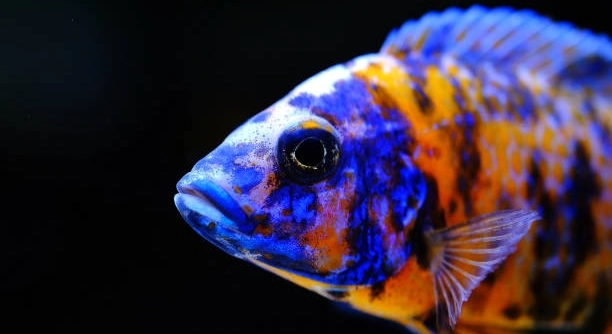
Cichlids are popular freshwater fish known for their vibrant colors and interesting behaviors. Many fishkeepers want to understand how these fish interact, especially when they form pairs. Recognizing pair bonding in cichlids can enhance the care and environment you provide.
Cichlids show pair bonding through behaviors such as swimming closely together, mutual grooming, and joint territory defense. These signs indicate a strong social and reproductive connection between the fish, reflecting their natural breeding and family care instincts.
Learning to identify these behaviors helps improve your cichlids’ wellbeing and supports successful breeding. This article explains key signs and what they mean for your fish.
Common Signs of Pair Bonding in Cichlids
Cichlids that are pair bonding often swim closely side by side, showing mutual interest in one another. They may gently nip or clean each other’s fins, which is a sign of trust and care. These pairs usually defend a shared territory from other fish, staying alert and protective. You might also notice them building nests together, preparing a safe spot for their eggs. This behavior is important in their natural environment, as it helps ensure their offspring’s survival. Watching for these signs in your aquarium can help you understand the social dynamics between your cichlids. Noticing when two fish consistently stay close and cooperate is a good indication they are bonding.
When cichlids display these behaviors, they often act more aggressively toward other fish nearby. This territorial defense shows their commitment to the pair and potential offspring.
Recognizing these signs early can improve how you manage their tank environment. Providing enough space and hiding places supports their bonding and reduces stress. Adjusting water conditions to mimic their natural habitat can encourage this behavior. Pair bonding also helps reduce conflicts by establishing clear social roles. Paying attention to their interactions will allow you to offer better care and potentially encourage successful breeding. Understanding the meaning behind their actions creates a more enjoyable and balanced aquarium experience.
Why Pair Bonding Matters for Breeding
Pair bonding is essential because it increases the chance of successful reproduction in cichlids. When pairs form strong bonds, they work together to protect their eggs and fry from predators or other tank mates. This cooperation improves the survival rate of their young. In many cichlid species, both parents participate in guarding the nest and caring for the offspring. Without this bond, eggs might be abandoned or destroyed, reducing breeding success. For fishkeepers interested in breeding cichlids, recognizing and supporting pair bonds is key. Creating a calm and stable environment helps strengthen these bonds and encourages natural breeding behavior.
Strong pair bonds often lead to healthier and more active fry, which is rewarding for anyone maintaining an aquarium. Observing these interactions offers insight into cichlid biology and behavior.
How to Support Pair Bonding in Your Aquarium
Providing enough space is crucial for cichlids to form and maintain pairs. Crowded tanks increase stress and reduce bonding opportunities. A tank size of at least 30 gallons for a pair is recommended.
Adequate hiding spots and territories allow bonded cichlids to feel secure. Rock caves, plants, and decorations create separate areas for nesting and resting. These help reduce aggression from other fish and encourage pair cooperation. Maintaining stable water conditions is also important. Cichlids prefer slightly acidic to neutral pH and temperatures between 75–82°F. Sudden changes can disrupt bonding behaviors and cause stress.
Feeding a balanced diet with quality pellets, frozen foods, and occasional live treats supports the health and energy levels of bonded pairs. Healthy fish are more likely to engage in natural behaviors, including bonding and breeding. Regular monitoring of water parameters and tank cleanliness further supports their wellbeing.
Behavioral Changes During Pair Bonding
When cichlids form a bond, their behavior shifts noticeably. They often become more territorial, defending a shared area against intruders. This behavior is a protective mechanism for their potential offspring.
Bonded pairs also increase physical contact, often swimming side by side or touching fins. These actions strengthen their connection and signal partnership. They may synchronize movements and stay close together for long periods, showing trust and cooperation. In some species, both fish take turns caring for eggs or fry, demonstrating shared responsibility.
Recognizing these behavioral changes can help you adjust tank conditions to support their needs. Minimizing disturbances and ensuring the tank environment is stable encourages continued bonding and reduces stress. Providing appropriate hiding places and maintaining consistent feeding schedules contribute to healthier, happier pairs. Observing these behaviors offers insight into your fish’s social dynamics and helps improve overall care.
Signs Pair Bonding Is Not Happening
When cichlids fail to form a pair bond, they often avoid each other or show aggression. Frequent chasing or nipping can indicate tension rather than bonding.
Lack of shared territory or cooperation in nest building is another sign that pair bonding is not occurring.
How to Encourage Pair Bonding
Reducing stress by maintaining clean water and stable conditions helps cichlids feel secure. Avoid sudden changes in lighting, temperature, or tank layout. Offering plenty of hiding spots allows fish to establish their own space and reduces conflicts. Introducing potential mates gradually can also support bonding by minimizing immediate aggression.
The Role of Tank Mates
Tank mates should be chosen carefully to avoid disturbing bonded pairs. Aggressive or overly active fish can cause stress and break bonds.
Common Mistakes to Avoid
Overcrowding and poor water quality are major problems. These issues increase stress, prevent bonding, and reduce breeding success.
FAQ
How long does it take for cichlids to form a pair bond?
The time varies by species and individual fish but generally ranges from a few days to a couple of weeks. Some cichlids may form bonds quickly when conditions are ideal, while others take longer to develop trust and cooperation. Providing a calm environment helps speed up this process.
Can cichlids bond with multiple partners?
Most cichlid species form monogamous pairs during breeding. However, some may change partners if the original mate dies or is removed. In community tanks, it’s best to keep pairs separate to avoid confusion and stress caused by multiple bonding attempts.
What happens if a bonded pair is separated?
Separating a bonded pair can cause stress and behavioral changes such as aggression or lethargy. In some cases, the pair may bond with new partners if reintroduced. It’s usually best to keep bonded pairs together to maintain their social and reproductive behaviors.
Do all cichlid species pair bond?
Not all cichlid species form pair bonds. Some are solitary or live in groups with different social structures. Species like convict cichlids and angelfish are known for strong pair bonds, while others may show less obvious bonding behavior.
How can I tell if my cichlids are ready to breed?
Signs include increased territorial defense, nest building, and close swimming between the pair. Both fish may clean a specific area or surface and show protective behavior over the spot. Brightening of colors and specific courtship displays also indicate readiness.
What tank size is best for pair bonding and breeding?
A minimum of 30 gallons is recommended for a bonded pair. Larger tanks allow them to establish territories and reduce stress from overcrowding. Providing enough space helps maintain peace and encourages natural behaviors.
Should I separate fry from the parents?
Many cichlid species care for their fry actively, so separation isn’t always necessary. However, some species may eat their young if stressed. Monitor behavior closely and be ready to remove fry if needed to prevent loss.
Can I keep other fish with a bonded cichlid pair?
Yes, but choose tank mates carefully. Peaceful, non-aggressive species that stay away from the cichlids’ territory work best. Avoid fish that are too small (potential prey) or aggressive, as they can disrupt bonding and breeding efforts.
What diet supports pair bonding and breeding?
A varied diet with high-quality pellets, frozen or live foods like brine shrimp or bloodworms is ideal. Proper nutrition supports health, energy, and reproductive readiness, encouraging natural bonding and breeding behaviors.
How often should I clean the tank during breeding?
Regular maintenance is important but avoid large water changes that cause sudden changes. Small, frequent cleanings help maintain water quality without stressing the fish. Keeping parameters stable supports bonding and successful breeding.
Why do bonded cichlids sometimes fight?
Even bonded pairs can show occasional aggression, especially during territory defense or stress. Minor conflicts are normal but prolonged or severe fighting may indicate problems with tank conditions or compatibility. Intervening to adjust environment often helps.
Can cichlids bond outside of breeding season?
Yes, some species maintain pair bonds year-round, while others bond only during breeding. Observing your cichlids’ behavior over time will show if bonding is temporary or permanent.
What signs show a bond is weakening?
Signs include increased distance between fish, more frequent chasing or aggression, and reduced cooperation. Changes in color or appetite may also indicate stress or weakening bonds. Monitoring these signs allows timely adjustments to care.
Is it necessary to provide nesting materials?
Many cichlids prefer smooth surfaces like rocks or broad leaves for laying eggs. Adding these materials can encourage nesting and bonding behaviors. Natural decorations help create a comfortable environment for breeding.
How do water parameters affect pair bonding?
Stable temperature, pH, and cleanliness reduce stress and promote natural behaviors. Fluctuations can disrupt bonding and breeding. Testing water regularly and making slow adjustments keeps conditions ideal for your cichlids.
Final Thoughts
Understanding pair bonding in cichlids is important for anyone who keeps these fish. Recognizing the signs of bonding helps provide a better environment that supports their natural behaviors. When cichlids form pairs, they often show unique actions like swimming closely, cleaning each other, and defending their territory together. These behaviors are part of their instinct to protect and raise offspring. By paying attention to these signs, you can create a tank setup that encourages bonding and reduces stress for your fish.
Creating the right conditions for pair bonding involves more than just watching their behavior. The tank should be spacious enough to allow each fish its own space while letting pairs establish shared territory. Adding hiding spots and nesting areas makes the environment comfortable and safe. Stable water conditions and a balanced diet contribute to the health and wellbeing of bonded pairs. Healthy fish are more likely to bond naturally and successfully reproduce. Avoiding overcrowding and aggressive tank mates also helps reduce tension and supports a peaceful aquarium.
Caring for bonded cichlids requires ongoing attention and patience. It is normal for pairs to show some aggression, especially when defending their territory. However, frequent or severe fighting can indicate problems with the tank environment or compatibility. Regular monitoring of water quality, diet, and behavior allows you to address issues quickly. Supporting pair bonding benefits both the fish and the keeper, making the aquarium a more rewarding and enjoyable experience. Understanding these dynamics helps create a healthy, thriving home for your cichlids.

Hello,
If you enjoy the content that we create, please consider saying a "Thank You!" by leaving a tip.
Every little bit helps us continue crafting quality advice that supports the health, happiness, and well-being of pets around the world, for pets of all shapes, sizes, and species.
We really appreciate the kindness and support that you show us!