
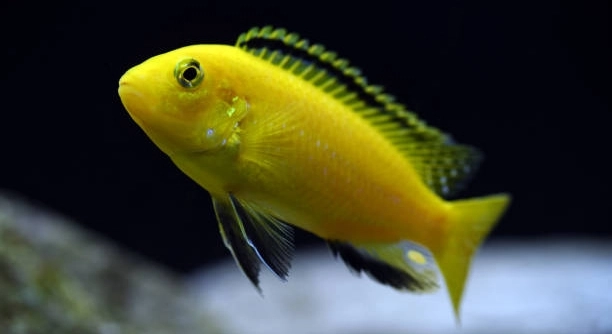
Many people enjoy keeping cichlids as pets because of their bright colors and active behavior. Watching how these fish interact can help you create a peaceful tank environment. Knowing if cichlids are getting along is important for their wellbeing.
Cichlids show signs of getting along through calm swimming, shared space, and absence of frequent aggression or chasing. Balanced social behavior and mutual tolerance are key indicators of harmony among these fish species.
Understanding these signs will help maintain a healthy aquarium and promote a stress-free life for your cichlids. This guide explains what to look for in their interactions.
Recognizing Peaceful Behavior in Cichlids
When cichlids get along, they tend to swim calmly around the tank without showing signs of stress. They share spaces without constant fighting or chasing each other away. Peaceful cichlids will sometimes swim side by side or rest near each other without any aggressive displays. You might notice that they explore the tank without hiding too often. Their fins stay smooth, and there are no signs of damage from fights. They may also establish territories but respect the boundaries of other fish. Overall, their behavior looks balanced and relaxed, which indicates a healthy social environment.
Cichlids that get along generally avoid constant aggressive displays, such as flaring or biting. Calm interactions are a good sign.
Watching their daily habits helps you understand if they feel safe. Peaceful cichlids show less tension and interact more freely, making your tank a more enjoyable place for both fish and owner.
Common Signs of Conflict
Aggression between cichlids often shows through chasing, biting, and fin nipping. When one fish constantly chases another or attacks without pause, it can lead to stress and injury. You might also see torn fins or damaged scales as evidence of fighting. Hiding behavior is another sign; if a fish spends most of its time hiding, it could be avoiding aggressive tank mates. Sometimes, constant loud or rapid movement signals tension. Recognizing these signs early helps prevent further problems. By managing aggressive behavior, you protect the health and well-being of all your cichlids.
Frequent aggression can disturb the balance of the tank and harm fish health.
To reduce conflicts, check tank size, decorations, and the number of hiding places. Provide enough space and resources to keep aggression low. Separating overly aggressive fish might be necessary. Keeping a close eye on interactions allows you to act quickly if tensions rise. With careful management, you can maintain peace and enjoy a vibrant, active tank.
How to Encourage Harmony Among Cichlids
Providing enough space is essential for cichlids to coexist peacefully. Overcrowding increases stress and aggression, so a larger tank helps fish establish territories without constant conflict.
Tank size matters because cichlids are territorial. When confined to small spaces, they often fight over limited areas and resources. Adding decorations like rocks and plants can create natural barriers and hiding spots. This helps reduce direct confrontations by breaking up lines of sight. Proper filtration and water quality also play a role, as stressed fish are more likely to become aggressive. Maintaining a well-balanced environment keeps cichlids calm and helps them share space more easily.
Monitoring fish behavior regularly lets you adjust tank conditions as needed. Changing the tank layout or rearranging decorations can reset territories and reduce tensions. Feeding cichlids adequately ensures they aren’t competing aggressively for food. Introducing new fish slowly and carefully also helps maintain balance. By managing these factors, you create a more peaceful and enjoyable environment for your cichlids.
Identifying When Intervention Is Needed
Some levels of aggression are normal, but constant fighting signals a problem. When injuries occur or fish are always hiding, intervention is necessary. Early action prevents serious harm.
Separating aggressive fish or increasing tank size may be required to reduce stress. Providing more hiding places and rearranging decorations can help reset territorial boundaries. Sometimes, removing one fish is the best solution to protect others. Regular observation helps catch issues before they escalate. When you notice severe aggression or signs of poor health, acting quickly improves the tank’s harmony and the well-being of all cichlids.
Choosing Compatible Cichlid Species
Selecting species with similar temperaments helps reduce conflicts. Mixing overly aggressive cichlids with peaceful ones often leads to problems. Research each species’ behavior before adding them to your tank.
Some cichlids are more territorial, while others are social. Grouping compatible types improves tank harmony. Avoid mixing fish that have vastly different space or dietary needs.
Monitoring Water Conditions Regularly
Stable water conditions are vital for cichlid health and behavior. Poor water quality increases stress, making aggression more likely. Test water parameters often to keep them within recommended ranges.
Using Visual Barriers in the Tank
Placing rocks, plants, or decorations creates visual breaks. These barriers reduce direct lines of sight, which can lower aggression by helping fish feel less threatened.
FAQ
How can I tell if my cichlids are stressed?
Stressed cichlids often hide more than usual or swim erratically. They may lose their bright colors and become less active. Watch for rapid gill movement or constant scratching against objects. Stress can result from poor water quality, overcrowding, or aggressive tank mates. Regular observation helps catch signs early.
What should I do if one cichlid is bullying the others?
If one cichlid is overly aggressive, consider separating it temporarily. Adding more hiding spots and rearranging decorations can help break established territories. Increasing tank size or introducing more fish to spread aggression may also work. If bullying continues, removing the aggressive fish might be necessary.
Are some cichlid species better suited to community tanks?
Yes, certain cichlids like angelfish or keyhole cichlids tend to be less aggressive and adapt better to community tanks. Always research compatibility since some species, especially African cichlids, can be very territorial and hostile toward other fish.
How important is tank size for cichlid behavior?
Tank size is very important. Larger tanks give fish enough room to establish their own territories and avoid constant conflict. Small tanks often lead to stress and aggression because fish feel cramped and threatened. Aim for a minimum of 30 gallons, but bigger is usually better for multiple cichlids.
Can diet affect how well cichlids get along?
Yes, a balanced diet can reduce aggression. Hungry fish are more likely to compete aggressively for food. Feeding small amounts multiple times a day helps keep them satisfied. Including a mix of pellets, flakes, and occasional live or frozen food supports health and calm behavior.
How often should I check on my cichlids’ interactions?
Daily observation is best to catch any signs of aggression early. Spend a few minutes watching how your fish behave, especially after feeding or when new fish are introduced. Early detection of problems makes it easier to manage tank harmony.
What role do hiding places play in cichlid tanks?
Hiding places are crucial. They give shy or weaker fish a refuge from aggression and help reduce stress. Use rocks, caves, plants, and decorations to create multiple hiding spots. This setup allows fish to retreat when needed, improving overall tank peace.
Is it normal for cichlids to flare their fins or display aggression sometimes?
Yes, occasional fin flaring or chasing is normal as cichlids establish territories or social ranking. Problems arise when aggressive behavior is constant or causes injury. Mild displays often calm down once boundaries are set.
How can I introduce new cichlids without causing fights?
Introduce new cichlids slowly by quarantining them first and then placing them in the tank using a divider. This allows fish to see each other without direct contact. Rearranging the tank decorations before introducing new fish helps reset territories and lowers aggression risk.
What signs show cichlids are truly getting along?
Fish swim calmly together, share spaces without chasing, and show little aggression. They eat well, explore the tank freely, and rest near each other. Bright colors and smooth fins also indicate good health and peaceful interactions.
When keeping cichlids, it is important to pay close attention to how they interact. Watching their behavior daily helps you understand if they are getting along or if problems might arise. Peaceful cichlids swim calmly, share space, and rarely show signs of aggression. These signs mean they are comfortable in their environment. Creating a balanced tank with enough room and hiding places helps reduce conflicts. Maintaining good water quality and providing a healthy diet also support their well-being. When cichlids live in harmony, they are healthier and more active, which makes the aquarium more enjoyable to watch.
If you notice signs of stress or constant fighting, it is important to act quickly. Overcrowding and territorial disputes are common causes of aggression among cichlids. Providing enough space is the best way to avoid these issues. Rearranging tank decorations can help reset boundaries and calm the fish. Sometimes, separating an aggressive fish is necessary to protect others. Making changes early helps prevent injuries and keeps all the fish healthier. Regular monitoring and quick responses improve the overall tank environment and reduce stress for your cichlids.
Finally, patience is key when managing cichlids. It can take time for fish to settle and find their place in the tank. Not every day will be perfect, but consistent care and attention make a big difference. Learning about each species’ behavior and needs helps you create the best possible environment. With the right setup and management, most cichlids can live together peacefully. This creates a balanced aquarium where the fish thrive and their natural behaviors can be enjoyed. Taking these steps ensures your cichlids remain happy and healthy for a long time.

Hello,
If you enjoy the content that we create, please consider saying a "Thank You!" by leaving a tip.
Every little bit helps us continue crafting quality advice that supports the health, happiness, and well-being of pets around the world, for pets of all shapes, sizes, and species.
We really appreciate the kindness and support that you show us!