
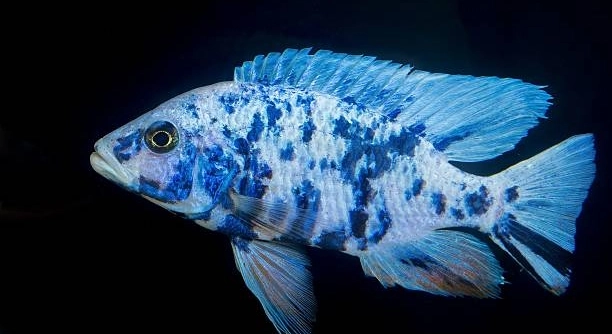
Many aquarium keepers notice subtle changes in their cichlids before conflicts begin, and recognizing these early signs helps maintain harmony, reduce stress, and protect fish health within a shared tank environment for long term stability.
The primary indicators that cichlids are about to fight include intensified coloration, flared fins, rigid postures, rapid chasing, and lip locking behaviors. These signals reflect territorial disputes, hierarchy challenges, and rising stress levels preceding physical aggression within confined aquarium settings.
Learning to read these behaviors supports safer tank management and reveals practical steps for preventing repeated conflicts among cichlids effectively.
Early Physical Warning Signs
I often notice that physical signals appear before any real damage occurs in a cichlid tank. Darkened colors, vertical bars, and sudden brightness changes usually indicate rising tension. Fins become stiff and fully extended, making the fish appear larger and more dominant. Gill covers may flare outward as a display of strength. Some cichlids hover in place while maintaining eye contact with another fish, refusing to back away. Others begin short, fast dashes that stop just before contact. These behaviors are not random movements. They serve as warnings meant to establish control without immediate injury. When these signs appear together, the situation is already unstable. Ignoring them often leads to chasing, nipping, or full fights. Observing these details daily helps prevent injuries and reduces long term stress within the tank. Consistent observation also builds confidence and allows quicker intervention before aggression escalates beyond manageable levels during routine aquarium care periods.
Color changes alone are not always alarming, but combined signals matter most. Watching posture, movement patterns, and spacing between fish gives clearer insight. I rely on these signs to decide when separation, rearranging decor, or closer monitoring becomes necessary for maintaining balance within shared tanks over extended periods of captivity.
Early physical warnings are easier to manage than active fights. Providing enough hiding spaces and visual barriers can interrupt direct stares. Rearranging rocks and driftwood breaks established territories and lowers tension. Feeding evenly across the tank prevents competition in one area. I have found that consistent lighting schedules also reduce agitation. Sudden environmental changes often amplify aggression. Addressing physical signs promptly protects weaker fish and preserves social order. These steps encourage stability and reduce the likelihood of repeated conflicts over time. Simple adjustments applied early support calmer behavior and help maintain long term aquarium health overall for all tank inhabitants.
Tank Conditions That Lead to Conflict
Environmental factors often intensify aggressive behavior in cichlids. Limited space, overcrowding, and uneven layouts increase stress. Poor water quality also weakens tolerance between fish. I pay close attention to tank size, filtration, and layout because these elements strongly influence daily interactions and shape long term stability within community tanks settings.
Territory driven species require clear boundaries to feel secure. When tanks are too small for the number of cichlids present, disputes become frequent. Each fish needs space to retreat without constant visual contact. Flat open layouts force continuous interaction, which raises stress. Adding rocks, plants, and caves creates natural divisions. Water parameters also play a role. Inconsistent temperature, poor filtration, and irregular maintenance increase irritability. I have learned that stable conditions promote predictable behavior. Feeding routines matter as well. Uneven feeding encourages guarding and chasing. Spreading food across multiple areas reduces pressure. Stocking choices should reflect temperament compatibility. Mixing highly aggressive species with passive ones rarely succeeds. Adjusting the environment is often more effective than removing fish after conflicts begin. Prevention through proper setup protects the group and supports healthier behavior patterns over time. I approach tank planning carefully because small adjustments create noticeable changes. Balanced populations, consistent care, and thoughtful layouts reduce tension. These practices limit injuries, lower stress hormones, and improve feeding response. Over time, calmer tanks display clearer colors, steadier movement, and fewer dominance displays among residents. This outcome reflects responsible management and supports long term success in maintaining stable cichlid communities within home aquarium systems overall.
Behavioral Triggers That Signal Escalation
I have noticed that behavioral changes often surface before physical contact begins. Repeated chasing, blocking swimming paths, and constant hovering near another fish signal tension. Mouth opening displays and side swimming are clear dominance behaviors that escalate quickly when ignored, especially in crowded tanks with limited escape space available nearby.
I pay close attention to repeated patterns rather than single events. One chase may mean little, but constant targeting shows intent. Fish that refuse to retreat, mirror movements, or circle each other are testing limits. Lip locking is not playful and often precedes injury. Another sign is guarding behavior around rocks or spawning sites. The dominant fish may patrol one area relentlessly. Submissive fish hide longer and eat less. Over time, this imbalance increases stress. Recognizing these behaviors early allows adjustments before aggression becomes unavoidable and damages tank stability during daily observation and routine maintenance periods within home aquarium systems.
Once these behaviors appear, intervention should be calm and measured. I start by adjusting tank layout to break sight lines. Moving rocks and caves resets territory boundaries. Increasing hiding spaces gives weaker fish relief. Feeding smaller portions across different areas reduces competition. Temporary dividers can help in persistent cases. Removing the most aggressive fish is sometimes necessary. Monitoring water quality also matters, since poor conditions amplify aggression. Consistent lighting and maintenance schedules support predictable behavior. These steps reduce repeated conflict and support healthier long term interactions among cichlids within shared aquarium environments over extended captive periods for overall stability balance.
When Separation Becomes Necessary
Despite adjustments, some conflicts escalate beyond minor displays. Prolonged chasing, torn fins, and refusal to eat indicate serious risk. I consider separation when one fish is consistently stressed. Hospital tanks provide recovery space. Quick action prevents infection and further harm. Allowing fights to continue rarely resolves hierarchy issues and often results in lasting damage within the tank especially for smaller or less aggressive species kept together under confined conditions long term captivity stress situations overall.
When removal is required, timing and method matter. I use nets slowly to avoid panic. Separating fish during low light periods reduces stress. Injured fish benefit from clean water, gentle filtration, and observation. If reintroduction is planned, it should be gradual. Rearranging the main tank before returning fish helps prevent immediate targeting. Sometimes permanent rehoming is the safest choice. Compatibility must outweigh attachment. I have learned that protecting overall tank health is more important than forcing balance. Stable groups show better feeding response, color consistency, and reduced illness. Accepting limits leads to better outcomes over time, resulting in calmer behavior, lower stress levels, and improved longevity for all cichlids maintained within properly managed aquarium systems at home long term care environments overall stability focus maintained.
Feeding Time as a Warning Signal
I monitor feeding time closely because it often reveals rising tension. Aggressive cichlids rush food, block others, and guard feeding zones. Submissive fish hesitate or stop eating altogether. These patterns signal imbalance and should never be ignored during daily care routines in mixed species aquarium setups with constant observation habits.
Uneven feeding creates stress that spills into territorial behavior. I spread food across the tank to reduce competition. Smaller portions given more frequently help calm dominant fish. This approach supports healthier interactions and keeps weaker cichlids nourished without constant pressure during shared aquarium living conditions long term stability focus maintained.
Spawning Behavior and Increased Aggression
Spawning periods significantly increase aggression in many cichlid species. Breeding pairs defend areas intensely and attack nearby fish without warning. I watch for cleaning behavior, digging, and egg guarding. These actions shift priorities from social balance to protection. During this time, separation or added barriers become important. Removing extra fish reduces pressure. Rearranging decor before breeding starts can prevent fixed territories. Increased hiding spaces help non breeding fish escape attention. Ignoring spawning aggression often leads to injuries. Planning ahead maintains safety and limits stress throughout the tank during active reproductive cycles within confined aquarium environments overall stability focus preserved carefully.
The Role of Daily Observation
Consistent observation remains the most reliable prevention tool. I check behavior daily, not just during problems. Small changes appear early and guide adjustments. This habit builds confidence, reduces losses, and supports calm social structures across long term cichlid care within home aquarium environments through steady management practices applied consistently over.
FAQ
How can I tell the difference between play and aggression in cichlids?
Play behavior in cichlids is limited and usually brief. Aggression is repetitive and focused on one target. When I see constant chasing, blocking movement, or forcing another fish into hiding, it is not play. Playful movement lacks intent and stops quickly. Aggression escalates, becomes territorial, and causes visible stress. Submissive fish will clamp fins, fade in color, or avoid food. These responses confirm the interaction is harmful rather than harmless social behavior.
Do all cichlids show warning signs before fighting?
Most cichlids display warning behaviors, but intensity varies by species. Some are subtle, using posture and color changes. Others escalate quickly. I rely on patterns rather than single actions. Repeated staring, circling, or fin flaring almost always signals conflict. Sudden attacks without warning are rare but can occur during breeding or overcrowding. Daily observation helps catch even subtle shifts before damage occurs.
Can tank size alone prevent fights between cichlids?
Tank size helps but does not guarantee peace. Larger tanks reduce forced interaction and allow escape routes. However, poor layout, uneven feeding, or incompatible species still cause aggression. I have seen fights in large tanks with open layouts. Space must be paired with structure. Rocks, caves, and visual breaks matter just as much. Size supports stability only when combined with proper planning and maintenance.
Why does one cichlid always chase the same fish?
Targeted aggression often reflects dominance struggles. The dominant fish identifies a weaker individual and reinforces control through repeated chasing. This behavior increases stress and suppresses feeding in the targeted fish. I intervene when I see this pattern persist. Rearranging decor or separating fish usually interrupts the behavior. Leaving it unchecked often leads to injury or illness.
Does feeding schedule affect aggression levels?
Yes, feeding routines strongly influence behavior. Irregular feeding increases competition and guarding. I feed at consistent times and distribute food across the tank. This reduces crowding in one area. Smaller, frequent meals calm dominant fish and keep submissive fish nourished. Hunger amplifies territorial behavior, especially in stocked tanks.
Are fights more common during breeding periods?
Aggression increases sharply during breeding. Breeding pairs defend eggs and fry with intensity. Fish that were peaceful before may attack without hesitation. I watch for digging, cleaning surfaces, and guarding behavior. When breeding starts, I adjust the tank or separate fish. Ignoring breeding aggression leads to torn fins and chronic stress for non breeding fish.
Should aggressive cichlids always be removed from the tank?
Not always. Mild aggression can be managed through layout changes, feeding adjustments, and stocking balance. I remove fish only when aggression causes injury, refusal to eat, or constant hiding. Some fish calm down once territories reset. Others remain aggressive regardless of changes. In those cases, removal protects the group.
Can water quality influence fighting behavior?
Poor water quality increases irritability and lowers tolerance. Elevated waste levels stress fish and shorten response times. I maintain regular water changes and stable parameters. Clean water supports predictable behavior. When water quality declines, aggression often increases even among normally calm fish.
How long should I monitor after making tank changes?
I observe closely for at least several days. Initial confusion is normal after rearranging decor. Behavior should stabilize within that period. Continued chasing beyond this window suggests deeper incompatibility. Monitoring helps decide whether further action is needed.
Is constant hiding a sign that fighting is already happening?
Yes. Prolonged hiding indicates fear and stress. Fish that hide excessively often face ongoing pressure. I consider this a serious sign even without visible injuries. Addressing the cause early prevents long term health decline and supports recovery before conditions worsen.
Final Thoughts
Understanding when cichlids are about to fight requires patience, consistency, and daily awareness. Aggression rarely appears without warning, and most signs develop gradually through changes in behavior, posture, and interaction patterns. By observing your tank regularly, you gain familiarity with what is normal for each fish. This familiarity makes unusual behavior easier to spot early. Small adjustments made at the right time can prevent serious injuries and long term stress. Maintaining stable water conditions, providing adequate space, and offering clear territorial boundaries all support calmer interactions. These practices are not complex, but they require routine attention. Over time, this approach builds a more predictable and manageable aquarium environment where cichlids can display natural behaviors without constant conflict.
Managing aggression is not about eliminating dominance but about keeping balance. Cichlids naturally establish hierarchies, and some displays are expected. Problems arise when one fish becomes consistently targeted or when stress affects feeding and movement. Knowing when to intervene is just as important as knowing when to observe. Rearranging decor, adjusting feeding strategies, or temporarily separating fish can reset tension without disrupting the entire tank. In some cases, permanent separation is the most responsible choice. This decision protects both the individual fish and the group as a whole. Accepting these limits reflects thoughtful care rather than failure. Each tank has its own dynamics, shaped by species, layout, and maintenance habits.
Long term success with cichlids depends on realistic expectations and steady care. Not every conflict can be prevented, but many can be reduced through preparation and observation. A calm tank shows consistent feeding behavior, steady coloration, and reduced hiding. These signs indicate that stress levels are controlled. Over time, fish kept in balanced conditions tend to live longer and display healthier behavior patterns. Caring for cichlids is an ongoing responsibility that rewards attention and consistency. By recognizing warning signs early and responding with simple, measured actions, you create an environment that supports both stability and natural social structure within your aquarium.

Hello,
If you enjoy the content that we create, please consider saying a "Thank You!" by leaving a tip.
Every little bit helps us continue crafting quality advice that supports the health, happiness, and well-being of pets around the world, for pets of all shapes, sizes, and species.
We really appreciate the kindness and support that you show us!