
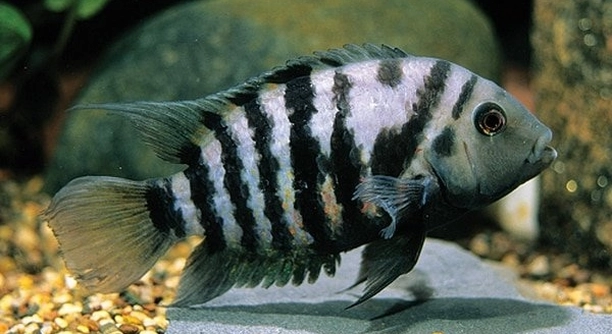
African cichlids are popular aquarium fish known for their vibrant colors and interesting behaviors. Many fish keepers enjoy watching them grow and thrive. Knowing when these fish are ready to breed can help ensure successful breeding and healthy offspring.
An African cichlid is ready to breed when it shows clear physical signs such as bright colors, well-developed fins, and a full body shape. Behavioral cues include territorial aggression, courtship displays, and nest preparation. These indicators are reliable markers of breeding readiness.
Recognizing these signs early allows you to prepare the right environment for breeding. This article will help you identify the key signals to watch for in your cichlid’s behavior and appearance.
Physical Signs of Breeding Readiness
African cichlids often show clear physical changes when they are ready to breed. Their colors become more vivid and intense, signaling health and maturity. Males typically develop brighter and more distinct markings compared to females. You might also notice their fins becoming larger and more pointed. The body shape changes too; a well-rounded belly in females can indicate that they are carrying eggs. In some species, males may grow a nuchal hump on their head, which is another sign of readiness. These physical features help cichlids attract mates and establish dominance in their territory. Observing these traits closely will give you a good idea if your fish is preparing for breeding.
Bright colors and a full body are the easiest physical signs to spot.
Physical traits alone don’t guarantee breeding readiness. Environment and behavior must also support this stage. Watch for changes in activity and interaction to confirm your cichlid is ready to breed.
Behavioral Changes to Watch
Aggressive and territorial behaviors often increase during breeding periods.
Cichlids become more active and protective of their space. Males will guard territories fiercely, chasing away other fish to secure a spot for mating. Courtship behaviors include fin flaring, shaking, and presenting themselves to potential mates. Females may prepare a nesting site by cleaning a flat surface or digging in the substrate. These behaviors are important because they set the stage for successful spawning. If you notice these signs, it’s important to provide proper conditions like hiding places and good water quality. Watching your fish’s behavior closely will help you know the right moment to support breeding efforts. Understanding these behaviors ensures you give your cichlids the best chance to reproduce naturally and healthily.
Preparing the Tank for Breeding
Tank conditions must be ideal to encourage breeding.
Maintain clean water with stable temperature, usually between 75-82°F (24-28°C). Provide plenty of hiding spots using rocks, caves, or plants. This mimics their natural habitat and helps reduce stress. Proper filtration and regular water changes keep the environment healthy, which supports breeding behavior. Avoid overcrowding to reduce aggression and competition among fish.
Lighting should be moderate, not too bright, to encourage natural behavior. Monitor water parameters like pH and hardness according to the species’ needs. A well-prepared tank creates a safe space for cichlids to breed and raise their fry successfully.
Feeding to Support Breeding
Good nutrition plays a key role in breeding success.
Feed your cichlids a varied diet rich in proteins and vitamins. High-quality pellets, frozen foods like brine shrimp, and live foods improve their health and breeding readiness. Avoid overfeeding to maintain water quality. Feed smaller amounts more often to stimulate natural feeding patterns. Proper nutrition strengthens fish and increases egg production in females. Males also benefit by gaining energy for courtship and territorial defense. Balanced feeding supports healthier fry and better survival rates after hatching. Regularly adjusting the diet based on fish behavior can boost breeding chances effectively.
Identifying Male and Female Cichlids
Males and females often have different physical traits.
Males are usually larger, with brighter colors and longer fins. Females tend to be smaller and less colorful but may have a rounder belly when ready to spawn.
Signs of Successful Spawning
After courtship, eggs are laid on flat surfaces or inside caves. The female usually guards the eggs closely. Fertilization occurs externally when the male releases sperm over the eggs. Watch for protective behaviors around the nesting site. This is a clear sign that spawning has occurred and the breeding process is underway.
Caring for Fry
Fry need gentle care after hatching to survive.
Keep the water clean and stable, with fine food like baby brine shrimp. Avoid disturbing the parents, who often protect their young carefully.
FAQ
How long does it take for African cichlids to start breeding?
African cichlids usually reach breeding age between 6 to 12 months, depending on the species and conditions. Some grow faster in warmer, well-maintained tanks. Providing good nutrition and a stable environment speeds up their development.
What water conditions are best for breeding African cichlids?
Most African cichlids prefer water temperatures between 75°F and 82°F (24°C to 28°C) with a pH ranging from 7.8 to 8.6. Water hardness should be moderate to high. Clean, stable water with regular changes helps maintain these conditions.
How do I know if my cichlid is male or female?
Males are usually larger with brighter colors and longer fins. Females tend to be smaller and duller, with a rounder belly when carrying eggs. Behaviorally, males are more territorial and show more courtship displays.
What behaviors indicate that my cichlids are ready to breed?
Look for increased territorial aggression, fin flaring, chasing, and courtship dances. Females may clean flat surfaces or dig small pits for egg laying. These behaviors often come with brighter colors and more activity.
How can I encourage breeding in my aquarium?
Maintain ideal water temperature and quality, provide plenty of hiding places, and feed a high-protein varied diet. Reducing stress by avoiding overcrowding and keeping a peaceful environment encourages breeding behavior.
What should I feed breeding cichlids?
Offer a mix of high-quality pellets, frozen foods like brine shrimp, and live foods if possible. This improves health and increases egg production. Feed smaller amounts multiple times daily to mimic natural feeding habits.
How long does it take for eggs to hatch?
Eggs usually hatch within 2 to 5 days depending on species and water temperature. Warmer water speeds up development, while cooler water slows it down. During this time, parents may guard the eggs closely.
What do cichlid parents do after the eggs hatch?
Many African cichlids show parental care by protecting and even carrying fry in their mouths. They guard the fry against predators and help guide them to safe areas. Parental care usually lasts several weeks until the fry can swim and feed on their own.
Can I separate fry from parents immediately?
It’s best to let parents care for fry for at least a few weeks. Removing fry too early can lower survival rates. Once fry are strong enough to eat on their own, you may move them to a separate tank for better growth and safety.
How do I care for fry after they leave the parents?
Provide fine foods like baby brine shrimp or crushed flakes. Keep water clean and stable, with gentle filtration to avoid harming small fry. Regular water changes and feeding 3 to 4 times daily support healthy growth.
What common problems affect breeding African cichlids?
Issues include poor water quality, stress from overcrowding, and incompatible tank mates. Aggression can harm weaker fish or interrupt breeding behavior. Insufficient nutrition or improper water parameters may also prevent successful spawning.
How often can African cichlids breed?
Some species can breed multiple times a year if conditions are ideal. However, frequent breeding without rest may stress fish and reduce health. Allowing recovery time between spawnings improves long-term wellbeing.
Is it necessary to have a separate breeding tank?
A separate breeding tank can reduce stress and protect fry from other fish. It also allows better control over water quality and feeding. However, with proper setup and careful monitoring, breeding in the main tank is possible.
What role does lighting play in breeding?
Moderate lighting helps simulate natural conditions. Too bright or too dim lighting may stress fish and affect breeding behavior. Consistent day-night cycles encourage regular activity and spawning.
Can I breed different species of African cichlids together?
It’s generally best to avoid mixing species during breeding. Different species can be aggressive or produce hybrids that may not be healthy. Keeping one species or compatible pairs reduces stress and increases breeding success.
How do I know when fry are ready to be weaned?
Fry start eating on their own after about 2 to 3 weeks, depending on species. At this point, begin offering finely crushed flakes or baby brine shrimp. Gradually reduce parental care as fry grow stronger and more independent.
These answers cover common questions and help guide care for African cichlids during breeding. Observing your fish closely and maintaining good conditions is key to success.
Breeding African cichlids can be a rewarding experience, but it requires attention to detail and patience. These fish show clear signs when they are ready to breed, such as brighter colors and changes in behavior. By observing these signs, you can better prepare your tank and create the right environment for them to reproduce successfully. Good water quality, proper nutrition, and a calm, spacious tank all play important roles in encouraging breeding behavior. Taking the time to set up these conditions will increase your chances of seeing healthy eggs and fry.
It is also important to remember that breeding is not just about the physical signs. The behavior of your cichlids is equally important. Watching how they interact with each other helps you understand when they are ready to mate. Territorial aggression, courtship displays, and nest preparation are key indicators. Providing enough hiding spots and a peaceful space helps reduce stress during this time. Stress can prevent breeding or harm eggs and fry. Supporting both male and female fish with proper care and food will give them the energy they need for breeding and raising their young.
Finally, caring for the fry after hatching is a delicate task that requires patience and dedication. Fry are small and vulnerable, so clean water and gentle feeding are necessary for their survival. Parents often protect their young, but sometimes it is best to separate fry for safety. Feeding them small, nutritious foods several times a day encourages healthy growth. As the fry grow, maintaining stable conditions will help them develop into strong adult fish. With careful observation and consistent care, breeding African cichlids can become a successful and enjoyable part of keeping these beautiful fish.

Hello,
If you enjoy the content that we create, please consider saying a "Thank You!" by leaving a tip.
Every little bit helps us continue crafting quality advice that supports the health, happiness, and well-being of pets around the world, for pets of all shapes, sizes, and species.
We really appreciate the kindness and support that you show us!