
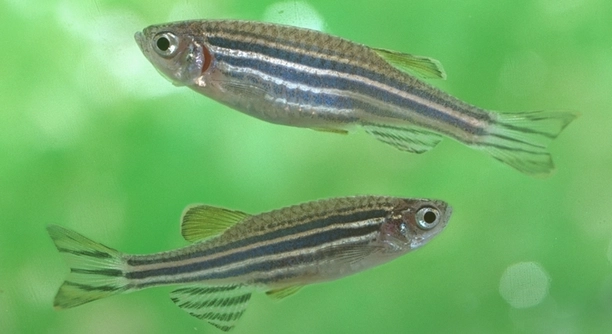
Zebra Danios are lively, colorful fish that make a great addition to any aquarium. Understanding their reproductive signs can help you care for them better. This article will guide you in spotting pregnancy in these fascinating fish.
A pregnant Zebra Danio can be identified by its swollen abdomen and the appearance of darker, more defined vertical stripes. Additionally, the female may display a more rounded body shape, especially as she nears the end of her pregnancy.
Recognizing pregnancy in Zebra Danios helps ensure proper care and preparation. Understanding these signs can improve your fish-keeping experience.
How to Spot the Signs of a Pregnant Zebra Danio
Zebra Danios are relatively easy to care for, but recognizing when they’re pregnant can be tricky for new fish keepers. Female Danios typically become pregnant after being kept with a male. Their pregnancy is usually short, lasting around 2 to 3 weeks. As they get closer to giving birth, their bellies will visibly enlarge, and their shape will change. The abdomen may appear swollen, and you may notice the developing eggs inside. Unlike some other fish, Zebra Danios don’t show a gravid spot (the darkened area near the abdomen), but the changes in body shape are noticeable.
Once a female Zebra Danio is pregnant, she will need more food to support the developing eggs. Providing her with high-quality foods, such as live or frozen brine shrimp, can help her stay healthy and get the necessary nutrients. Keep in mind that too much food can cause stress, so feed her in moderation.
By observing her behavior and body shape, you’ll know when to prepare for the arrival of fry. If the female is kept in a tank with males, it’s important to provide a breeding tank or separate the female after breeding to prevent stress or injury.
Changes in Behavior During Pregnancy
Pregnant Zebra Danios often become more sluggish as they approach labor. They might swim less actively and spend more time near the bottom of the tank. Their appetite might increase, so expect them to eat more frequently. This can be helpful in assessing the progress of her pregnancy.
During this time, it’s essential to keep the tank conditions stable. Ensure that the water temperature is between 70-78°F (21-26°C) and that the water is clean and well-filtered. High water quality is crucial for the health of both the pregnant female and her future fry. A stable environment reduces stress, which can interfere with the pregnancy.
When the female Zebra Danio is close to giving birth, you’ll notice more obvious signs of labor. Her body will become even more swollen, and you may see the outline of the developing eggs. Preparing a breeding tank or ensuring a space with enough cover can help protect the fry once they are born.
How to Prepare for Fry
Once you’ve confirmed your Zebra Danio is pregnant, it’s time to think about what happens after the fry are born. It’s important to prepare a separate breeding tank where the female can give birth in peace. This tank should have plants, decorations, or a spawning mat where the fry can hide. Fry are vulnerable to being eaten by adult fish, so providing them with a safe space is crucial.
The female will give birth to small, free-swimming fry, usually within a few hours. It’s essential to remove the female after birth to prevent her from eating her young. Providing the fry with appropriate food, such as finely crushed flake food or baby brine shrimp, will help them grow and thrive. Be prepared for the fry to grow quickly; Zebra Danios are known for their fast development.
Even after the birth, maintaining water quality remains important. Keep the tank clean and monitor the fry’s growth to ensure they stay healthy and continue to develop into adult Danios.
Caring for a Pregnant Zebra Danio
Once you notice a pregnant Zebra Danio, make sure she is in a stress-free environment. Keep her tank away from aggressive tankmates. The presence of too many males can also stress the female, leading to complications. Make sure she has enough space to swim comfortably, as limited space can cause added stress.
During her pregnancy, her appetite will increase. Offer her a variety of high-quality foods to help her stay strong and healthy. Live foods like brine shrimp or daphnia are great options. These foods provide the necessary nutrients she needs for carrying eggs, helping her avoid undernourishment. Be sure to remove uneaten food after a few minutes to keep the water clean.
If you plan to keep the fry, ensure that the tank is well-prepared for them. Fry are small and delicate, so they need a safe, low-traffic area to thrive. A breeding box or small tank with gentle filtration will be beneficial for keeping the fry safe and allowing them to grow. Make sure to provide sufficient hiding spots for them, such as plants or spawning mats. This ensures their survival rate remains high.
Signs of Impending Birth
As the female Zebra Danio nears labor, her behavior will shift. She will begin to move less frequently and may find a quiet corner to rest. Her belly will appear even more swollen, and her body may be visibly stretched. Keep an eye on her, as she will begin to act more restlessly as labor approaches.
At this point, it’s essential to monitor the water conditions in her tank closely. Ensure that the temperature is stable, around 74-78°F (23-26°C). If the water temperature is too low, it can cause stress, potentially delaying or complicating labor. Ensure the water quality remains pristine, as dirty water can harm both the mother and the developing fry. The female may give birth quickly, so prepare the breeding tank in advance to catch the fry safely.
A separate breeding tank can also allow you to separate the fry from the mother immediately after birth. After delivery, the female may eat some of her young if left in the same tank. This is why it’s crucial to remove her once she gives birth.
Caring for Newborn Fry
Once the fry are born, they will swim freely but remain vulnerable. It’s crucial to keep them separated from adult fish to avoid being eaten. A breeding box or tank with plenty of hiding spots will help ensure the fry’s survival.
Feed the fry with fine, crushed flake food or baby brine shrimp. These foods provide them with essential nutrients to help them grow. Avoid overfeeding, as this can lead to water pollution. Monitor the fry closely for signs of growth, and ensure the water remains clean by performing regular water changes.
As the fry develop, increase the size of the food you offer. It’s important to avoid overstocking the tank, as too many fry in a small space can lead to stunted growth or unhealthy conditions. Give the fry enough space to grow, and ensure they have proper access to food.
Preparing for Fry Growth
Over time, the fry will start to develop more noticeable traits. Their colors and stripes will start to show, and they will begin to resemble adult Zebra Danios. It’s essential to continue offering them small, nutritious meals while maintaining clean water conditions.
Make sure to remove any uneaten food promptly to prevent water quality issues. If the fry start to grow rapidly, consider moving them into a larger tank. As they approach adulthood, you can begin to introduce adult foods, such as crushed pellets. Ensure that the fry are properly socialized with their tankmates.
With proper care, the fry will grow strong and healthy. Over time, you’ll begin to see them actively swimming and developing into adult Zebra Danios. Monitor their growth and make any necessary adjustments to their environment as they mature.
Monitoring Tankmates
It’s important to ensure that the fry are in a safe tank with the right tankmates. Zebra Danio fry are small and can easily be eaten by larger or more aggressive fish. Opt for peaceful species that won’t harm the fry.
If you’re keeping the fry in a community tank, consider separating them until they are big enough to fend for themselves. Ensure that the adult fish aren’t overly aggressive and that the fry have plenty of hiding spots to avoid stress. Peaceful tankmates will allow the fry to grow at a healthy pace.
FAQ
How long does it take for a Zebra Danio to give birth?
The pregnancy period for a Zebra Danio typically lasts about 2 to 3 weeks. During this time, the female’s abdomen will swell as the eggs develop. The closer she gets to giving birth, the more swollen and rounded her belly will appear. Once she’s ready, she will give birth to live fry. This process can be quick, sometimes taking only a few hours for all the fry to be born.
How can I tell when my Zebra Danio is about to give birth?
As the female approaches labor, you will notice a few signs. Her body will become noticeably swollen, especially near the abdomen, and her stripes may become more pronounced. She might also act more sluggish or hide in a quiet part of the tank. Additionally, the female may begin to swim less actively as she prepares for birth.
Can I leave the male Zebra Danio with the pregnant female?
It’s best to separate the male from the pregnant female, especially as she nears birth. Male Zebra Danios can sometimes stress out the female, especially if she is repeatedly pursued for mating. This stress can harm her health or disrupt the pregnancy, leading to complications. If you plan on keeping the fry, separating the male is also necessary to protect the newborns.
How many fry will a Zebra Danio have?
Zebra Danios typically give birth to anywhere from 30 to 100 fry, depending on the size of the female and her health. Smaller females might have fewer fry, while larger, healthier females can give birth to larger numbers. The fry are very tiny, so make sure to prepare a safe space where they can grow without being eaten by adult fish.
Do Zebra Danios eat their own fry?
Yes, Zebra Danios are known to eat their fry if they are not separated after birth. This is a natural behavior in many fish species, as they might mistake the fry for food or simply be opportunistic feeders. To prevent this, move the female out of the tank after she gives birth, and ensure the fry have a secure environment with hiding spots.
What should I feed Zebra Danio fry?
Newborn Zebra Danios should be fed fine foods like baby brine shrimp or finely crushed flake food. These provide the necessary nutrients for their growth. It’s essential to feed them multiple times a day in small amounts to avoid polluting the water. As the fry grow, you can gradually increase the size of the food to accommodate their developing needs.
Do I need a separate tank for the fry?
While not absolutely necessary, a separate tank or breeding box can increase the survival rate of the fry. A separate space allows you to control the environment more easily, providing clean water, the right temperature, and protection from adult fish. The fry are small and fragile, so keeping them in a separate area ensures they won’t get eaten and can grow without stress.
How can I tell if my Zebra Danio is pregnant or just bloated?
A pregnant Zebra Danio’s abdomen will appear swollen and rounded, especially towards the back. If the swelling is due to pregnancy, it will persist over time. A bloated Zebra Danio, on the other hand, may show temporary swelling and may exhibit signs of discomfort, like swimming erratically. Pay attention to the duration of the swelling and other signs like darker stripes or a change in behavior to distinguish pregnancy from other conditions.
What is the ideal water temperature for a pregnant Zebra Danio?
The water temperature for a pregnant Zebra Danio should be kept between 74-78°F (23-26°C). This range helps maintain the fish’s metabolism and supports healthy growth for both the mother and the fry. A consistent temperature is key, as sudden changes can stress the fish and negatively affect the pregnancy.
How can I help my Zebra Danio during pregnancy?
To support a pregnant Zebra Danio, provide a stress-free environment with plenty of hiding spaces. Offer a balanced diet with high-quality foods, such as live or frozen brine shrimp. Keep the tank clean with regular water changes and monitor water parameters, such as pH and temperature. Reducing the number of aggressive tankmates can also help her stay calm and healthy.
Can I keep Zebra Danio fry in the same tank as the adults?
It’s not recommended to keep Zebra Danio fry in the same tank as the adults. The adult fish may eat the fry, especially if they are not large enough to defend themselves. If you don’t have a separate tank for the fry, you can use a breeding box within the main tank to keep them safe from the adults.
How fast do Zebra Danio fry grow?
Zebra Danio fry grow quickly, often reaching maturity in just a few months. Their growth rate is affected by factors such as water temperature, food availability, and overall tank conditions. In optimal conditions, the fry can grow into juveniles in about 6 to 8 weeks, developing their stripes and color as they mature.
How do I know if my Zebra Danio fry are healthy?
Healthy Zebra Danio fry are active swimmers and will begin to develop their characteristic stripes. They should have a good appetite and respond to food when offered. If the fry are lethargic, have irregular swimming patterns, or fail to eat, this may indicate poor water conditions or an illness that needs to be addressed.
What are the signs that my Zebra Danio fry are ready to leave the breeding tank?
Once the fry have grown enough to swim actively and avoid being eaten, they can be moved to a community tank. The fry should be large enough to fend for themselves, typically after 4 to 6 weeks. At this point, they should also begin to show their full color and stripes.
How often should I change the water in the fry tank?
Water changes in the fry tank should be done frequently, ideally 10-15% every day or every other day. Young fry are particularly sensitive to water quality, so keeping the tank clean is crucial for their survival. Be sure to avoid drastic water changes, as this can shock the fry and harm their delicate systems.
Final Thoughts
Zebra Danios are relatively easy to care for and can breed successfully in a home aquarium. Recognizing when a female is pregnant and understanding the changes that happen during this time is key to ensuring a healthy environment for both the mother and her fry. The process is straightforward once you are familiar with the signs, and with the proper care, you can watch the fry grow and thrive in their new home. By providing a stress-free environment, appropriate water conditions, and quality food, you can help ensure the health of your Zebra Danios throughout their breeding cycle.
The most important aspect of caring for a pregnant Zebra Danio is understanding the needs of both the mother and the fry. Pregnancy can be stressful for the female, so separating her from any males, as well as providing her with a peaceful environment, will help reduce that stress. It’s also essential to protect the fry from being eaten by other fish in the tank. Using a breeding box or a separate tank for the fry can greatly increase their chances of survival, allowing them to grow without the threat of being consumed by the adults.
Overall, breeding Zebra Danios can be an enjoyable experience for any aquarium keeper. Their rapid growth and active behavior make watching the fry develop a rewarding part of the process. While it’s not always necessary to separate the fry from the adults, doing so can help ensure a higher survival rate and give the fry the space they need to grow. With some attention to detail and proper care, you’ll be able to provide a safe and healthy environment for both the adult Zebra Danios and their young.

Hello,
If you enjoy the content that we create, please consider saying a "Thank You!" by leaving a tip.
Every little bit helps us continue crafting quality advice that supports the health, happiness, and well-being of pets around the world, for pets of all shapes, sizes, and species.
We really appreciate the kindness and support that you show us!