
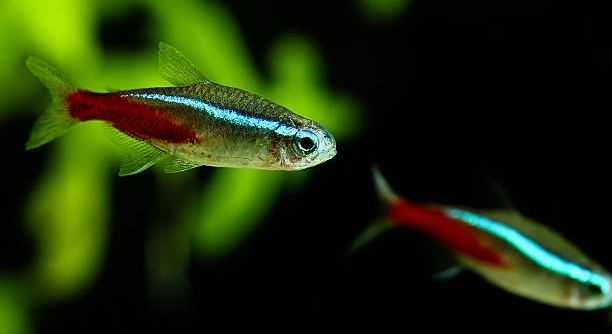
Are your tetra fish swimming in a tank that feels a bit too busy? Many fish owners don’t realize when their tanks become overcrowded, which can affect the health and happiness of their fish. Keeping the right balance is important for a healthy aquarium.
A tetra tank is considered too crowded when there is insufficient space, poor water quality, aggressive behavior among fish, and visible signs of stress or illness. Overcrowding leads to increased waste, low oxygen levels, and competition for resources, which harms the fish’s wellbeing.
Recognizing these signs early can help you create a better environment for your tetras and keep them thriving in your home aquarium.
Limited Swimming Space
When a tetra tank is overcrowded, the first thing you might notice is that the fish have very little room to swim freely. Tetras are active swimmers and need enough space to move comfortably. If there are too many fish in the tank, they may start bumping into each other or hiding more often. This limited swimming space can lead to stress, which weakens their immune systems and makes them more prone to illness. Overcrowded tanks also make it harder to maintain clean water, since waste builds up faster with more fish. A good rule of thumb is to allow about one gallon of water per inch of fish. This helps keep the tank balanced and the tetras healthy. If the fish seem crowded or stressed, it’s a clear sign that the tank needs fewer inhabitants or a larger space to thrive.
In small tanks, fewer tetras are better to keep swimming space open and stress low.
Giving your tetras room to swim freely means they’ll be more active and less stressed. When space is limited, they become stressed, which can affect their health. Ensuring adequate tank size helps maintain water quality and gives each fish a comfortable home. Overcrowding can also cause fights or aggressive behavior as fish compete for space. It’s important to balance the number of fish with the tank’s capacity to keep your tetra community peaceful and happy.
Poor Water Quality
Water quality in a crowded tetra tank can quickly decline. More fish produce more waste, which adds harmful chemicals like ammonia and nitrites to the water. Without proper filtration and regular water changes, these toxins build up and cause health problems for your fish. You might notice cloudy water, a strong smell, or algae growth, all signs that water quality is suffering. Poor water quality stresses the tetras, weakening their immune systems and making them vulnerable to disease. Testing water regularly and keeping up with cleaning routines is essential, especially in tanks with many fish. Overcrowding increases the workload on your filter, so it’s important to have equipment that matches the tank’s needs. Keeping water clean ensures your tetras stay healthy and active.
Maintaining clean water is harder with more fish, so overcrowded tanks often suffer poor water quality.
Regular testing, proper filtration, and frequent water changes are key to controlling water quality. Overcrowded tanks can overwhelm filters and cause toxins to rise. This leads to illness and stress in tetras. It’s crucial to monitor ammonia, nitrites, and nitrates regularly. A clean tank helps fish breathe easier and reduces disease risk. If water quality is poor, reduce fish numbers or increase tank size. Clean water supports fish health and tank stability over time.
Aggressive Behavior Among Fish
Aggression often increases when a tank is too crowded. Tetras may nip fins or chase each other more than usual. This behavior creates stress and injuries, which can lead to infections.
Overcrowding means less personal space for each fish, causing them to compete for hiding spots and food. Territorial disputes become common, and peaceful tetras may turn aggressive. Constant chasing and biting can wear down weaker fish, making it hard for them to recover. Aggressive behavior also disrupts the tank’s harmony, affecting all fish’s wellbeing. Reducing the number of fish or adding more plants and hiding places can help ease tensions and restore peace in the tank.
Aggression can be a clear sign your tank is overstocked. It shows that your tetras need more space or better conditions to coexist without stress. Keeping a calm environment helps your fish stay healthy and enjoy their home.
Visible Signs of Stress and Illness
Stress in tetras often shows through changes in behavior and appearance. Fish may hide more, lose color, or swim erratically. Illnesses like fin rot or fungus often appear in crowded tanks.
When tetras feel stressed, their immune systems weaken, making them vulnerable to disease. Overcrowded tanks increase waste and lower oxygen, which are tough on fish health. You might see dull colors, torn fins, or unusual spots on their bodies. Sick fish may breathe rapidly or stay near the surface. Stress can also cause tetras to lose appetite or become lethargic. Keeping the tank less crowded helps maintain strong immune systems and reduces disease risks. Promptly removing sick fish and improving water quality supports recovery and prevents outbreaks.
Watching for these signs helps catch problems early. A healthy, uncrowded tank means happier fish with better chances of avoiding illness.
Increased Waste and Debris
Overcrowded tanks produce more fish waste, leading to faster buildup of debris. This can cloud the water and foul the environment.
Excess waste strains filtration systems and makes cleaning more frequent. Poor maintenance allows toxins to accumulate, harming the fish.
Reduced Oxygen Levels
When there are too many tetras, oxygen in the tank can drop quickly. Fish and beneficial bacteria both need oxygen to survive. Low oxygen makes fish gasp at the surface or become sluggish. Keeping the tank balanced with proper aeration helps maintain healthy oxygen levels and fish activity.
Difficulty Feeding All Fish
Feeding too many tetras in a crowded tank can be challenging. Some fish may miss out or get stressed competing for food. Uneaten food adds to waste, worsening water quality. Spreading food evenly and feeding smaller amounts helps ensure all fish get nourishment without polluting the tank.
Frequent Illness Outbreaks
Crowded tanks tend to have more disease outbreaks. Close contact between fish spreads infections fast. Stress from overcrowding lowers fish immunity. Regular water changes and reducing fish numbers help prevent illness from taking hold.
How many tetras can I keep in a tank?
The general rule is about one gallon of water per inch of tetra. For example, if your tetras grow to about 2 inches, you should have at least 2 gallons per fish. This helps keep the tank balanced and prevents overcrowding. However, larger tanks with better filtration can support more fish. It’s important to monitor fish behavior and water quality regularly, adjusting numbers as needed.
What happens if my tetra tank is too crowded?
Overcrowding causes stress, poor water quality, and aggressive behavior. Fish may become sick more often due to weak immune systems. Waste builds up quickly, lowering oxygen and increasing toxins like ammonia. This harms the fish and disrupts the tank’s balance. Overcrowding also limits swimming space, making your tetras less active and more prone to injury.
How do I know if my fish are stressed?
Signs of stress include hiding, loss of color, erratic swimming, and loss of appetite. Stressed fish may also breathe rapidly or stay near the water surface. Sometimes you’ll see torn fins or spots caused by infections. Stress weakens their immune systems, so they become more vulnerable to disease. Watching your fish closely helps catch stress early.
Can adding plants help reduce crowding effects?
Yes, live plants create hiding spots and reduce aggression by giving fish places to retreat. They also improve water quality by absorbing nitrates and producing oxygen. This helps keep the tank balanced, even when it’s a bit crowded. However, plants don’t replace the need for enough space or proper filtration.
How often should I clean my tank in a crowded setup?
In crowded tanks, you’ll need more frequent water changes, usually about 20-30% weekly. Cleaning the gravel and filter regularly helps remove excess waste and toxins. Overcrowded tanks accumulate debris faster, so consistent maintenance is key to preventing health problems.
Is it better to get a bigger tank or fewer fish?
Both options improve conditions, but a bigger tank generally allows for a healthier environment and easier maintenance. Fewer fish in a small tank can also reduce stress and waste. Choose based on your space, budget, and how much time you can spend on tank care.
What filtration system is best for a tetra tank?
A filter that provides mechanical, biological, and chemical filtration is best. It should match or exceed your tank size. Powerful filters handle waste better and keep water clear. Regular cleaning of filter media is important to keep it working well.
Can I add other fish to a tetra tank?
Yes, but choose peaceful species that thrive in similar water conditions. Avoid aggressive or much larger fish that may stress or harm tetras. Introduce new fish slowly and watch for signs of aggression or stress. Compatibility helps keep the tank peaceful.
What should I do if my tank is overcrowded?
Consider moving some fish to another tank or giving them to someone who can care for them. Increasing tank size or upgrading filtration can also help. Regularly test water and watch fish behavior closely. Reducing crowding is the best way to prevent health issues.
How do I keep my tetras healthy in a busy tank?
Keep water clean with frequent changes, feed balanced diets, and provide hiding spots. Avoid overfeeding and remove uneaten food quickly. Monitor fish for illness and reduce stress by maintaining proper space and water quality. Consistent care makes a big difference.
Keeping a tetra tank healthy means paying close attention to how crowded it is. Overcrowding can cause many problems that affect the well-being of your fish. When there are too many tetras in a tank, they don’t have enough space to swim or rest. This limited space leads to stress, which can weaken their immune system and make them more likely to get sick. It also causes more waste to build up in the water, which makes it harder to keep the tank clean and the water safe for the fish. By making sure your tank isn’t too crowded, you help your tetras live longer, happier lives.
Another important part of managing a tetra tank is keeping the water clean and healthy. When a tank is overcrowded, it is much harder to keep good water quality. Fish produce waste, and with many fish in a small space, the amount of waste quickly increases. This waste breaks down into harmful chemicals that can hurt the fish if not removed through proper filtration and water changes. Clean water has the right balance of oxygen and nutrients, which keeps fish active and healthy. Testing the water regularly and doing partial water changes helps control these chemicals. Keeping a balanced number of fish with good filtration makes the tank environment stable.
Lastly, watching how your fish behave is a good way to understand if the tank conditions are right. Fish that are stressed or crowded often act differently. They may hide more, swim erratically, or show signs of illness. Sometimes, aggression increases when there isn’t enough space for all fish to live peacefully. Paying attention to these signs can help you take action before problems get worse. Whether it means removing some fish, upgrading the tank, or improving cleaning routines, small changes make a big difference. Caring for a tetra tank with the right space and clean water helps create a safe, comfortable home for your fish.

Hello,
If you enjoy the content that we create, please consider saying a "Thank You!" by leaving a tip.
Every little bit helps us continue crafting quality advice that supports the health, happiness, and well-being of pets around the world, for pets of all shapes, sizes, and species.
We really appreciate the kindness and support that you show us!