
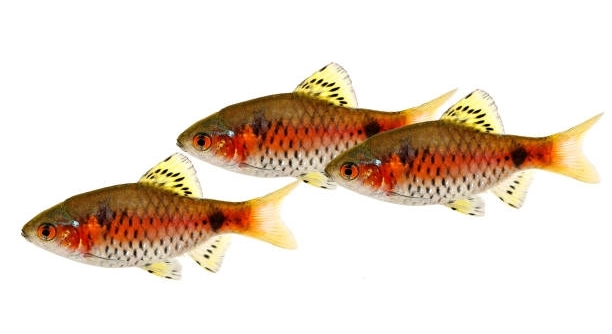
Do you ever find yourself watching your rosy barb swim around and wonder whether it’s just being playful or picking a fight? Understanding the difference can help you care for your fish and avoid future issues.
The main difference between play and aggression in rosy barbs lies in their body language and intensity of movement. Playful behavior is more relaxed and rhythmic, while aggressive behavior includes chasing, fin-nipping, and flared fins.
Not all activity in the tank is harmless fun, and learning to read the signs will help you keep your fish safe and stress-free.
Key Differences Between Play and Aggression in Rosy Barbs
Rosy barbs are active fish, and their behavior can sometimes be confusing. When they play, their movements are quick but smooth. They may chase each other in short bursts, but there’s no contact or damage. Their fins remain relaxed, and they swim in patterns that don’t feel tense or hostile. On the other hand, aggression looks different. Aggressive rosy barbs may flare their fins, ram into other fish, or repeatedly chase one specific fish. You might also notice one fish hiding or trying to avoid the group. This can be a sign of stress caused by aggression. Watching closely helps. If you see fin damage, bullying, or a fish being excluded, it’s likely not play. Rosy barbs can sometimes be territorial, especially in smaller tanks or when they feel threatened. Keep an eye on their interactions, and make changes if the behavior escalates or becomes harmful.
Play looks relaxed and balanced. Aggression shows in chasing, nipping, or stressed hiding.
Fish can change behavior quickly, especially after changes in their environment. Rearranging the tank, adding plants, or adjusting the group size can help reduce stress and aggressive patterns. Rosy barbs also do better in groups of five or more. This spreads out the focus and lowers tension between individuals. A tank that feels too small can lead to fights, while a more spacious setup gives fish room to escape if needed. If one fish continues to act aggressively, you may need to separate it. Understanding their signals helps prevent injuries and stress-related health problems. Behavior should always be monitored, especially after adding new fish. Not all aggression is constant—some may only appear during feeding or mating. Learning these details can help you step in early before anything serious happens. A few adjustments in the tank’s layout or stocking can often solve the problem without much trouble.
How Tank Setup Affects Behavior
Tank setup has a big impact on how rosy barbs act around each other. Poor layout or limited space can trigger aggressive behavior.
Rosy barbs need space to swim and places to hide. A tank that’s at least 30 gallons is best for a small group. Include live plants, driftwood, and rocks to create hiding spots and reduce tension. Barbs feel safer and more relaxed when they have breaks in their line of sight. If the tank is too open, they may feel exposed and act out. The number of fish also matters. Keeping them in groups of five or more helps spread out any aggressive behavior and keeps the group dynamic more stable. Water quality is just as important. Dirty or unstable water can make fish irritable. Test regularly, and do weekly water changes to keep things steady. Lighting should also be soft, as bright light can make fish more jumpy. With the right setup, rosy barbs are much more likely to show their playful side and avoid aggressive behaviors.
Common Signs of Aggression in Rosy Barbs
Rosy barbs may nip fins, chase one fish repeatedly, or flare their fins to appear larger. You might also notice one fish hiding often or losing color, both of which can be signs of stress caused by aggressive behavior.
Aggression often starts with territory control or competition during feeding. One fish may chase others away from food or certain areas of the tank. If you see rapid darting, body slamming, or any kind of repeated harassment, that fish may be acting out. Watch closely for missing scales or torn fins, especially near the tail. These signs usually mean physical contact has happened, which is not part of normal play. Rosy barbs that act overly dominant can make others feel unsafe, leading to hiding or skipping meals. If left unaddressed, this stress can impact their immune system and lead to illness over time.
During mating, behavior can also appear aggressive. Males will chase females to initiate spawning, which may look similar to bullying. However, mating behavior is short and targeted only toward females, while aggression tends to affect several fish in the group. If you’re unsure, try observing during feeding time or after tank lights go off. Aggressive fish often stay active and territorial, while playful or mating behavior usually stops. Long-term aggression should be addressed with tank adjustments, added décor, or, in some cases, separating the aggressive fish. Always consider tank size, group balance, and environmental stressors before assuming aggression is just part of their personality.
Ways to Encourage Playful Behavior
Keeping your rosy barbs active in a healthy way starts with tank space and social balance. They feel safest in small schools, and spreading attention among several fish reduces tension. A well-decorated tank with soft lighting also helps them relax and interact playfully.
Rosy barbs enjoy stimulation, so adding floating plants, gentle water flow, and a variety of tank features gives them space to explore. This keeps their minds and bodies busy, which lowers the chance of aggressive outbursts. You can also feed them in different spots or use sinking pellets to create more natural movement during mealtime. Rearranging the tank every few weeks gives them something new to discover and encourages gentle chasing that’s more playful than hostile. Keeping your tank consistent in temperature and water quality also supports a calmer environment. With a few small changes, you’ll notice more relaxed, curious behavior that’s easy to tell apart from true aggression.
Mistakes That Lead to Aggression
Keeping too few rosy barbs in a tank can make them feel unsafe and trigger aggressive behavior. They do best in groups of five or more, where no single fish becomes a constant target.
Another common issue is overcrowding. When fish have limited space, they become territorial and stressed. This can lead to chasing, nipping, and hiding.
What to Do When Aggression Happens
If you notice consistent aggression, start by checking your tank size and group balance. Increase the number of rosy barbs to five or more if needed. Rearranging tank decorations can help break up territories and reduce stress. Add plants and rocks to create hiding spots and keep lines of sight broken. Ensure water quality is stable and feeding times are even, so no fish becomes dominant over food. If aggression continues after these changes, consider separating the aggressive fish. Sometimes, a temporary break can reset their behavior. Keep watching interactions for a few days to make sure the changes are working. Small fixes often help restore calm in the tank.
How Feeding Habits Affect Behavior
Uneven feeding can cause stress and trigger fights, especially if one fish gets most of the food. Spread food around and use sinking pellets to keep all your rosy barbs fed.
FAQ
Can rosy barbs hurt each other when they’re being aggressive?
Yes, rosy barbs can cause harm when aggression becomes serious. Fin-nipping, chasing, and ramming into other fish can lead to torn fins, stress, or even infections. If one fish is being picked on constantly, it may hide or stop eating. These signs mean the aggression is more than just a brief conflict. While rosy barbs are not known to be deadly fighters, stress from ongoing aggression can lead to illness or early death. If you notice visible injuries, it’s time to adjust the tank or separate the aggressive fish to prevent further damage.
Why do rosy barbs chase each other?
Chasing is a common behavior in rosy barbs. It can be playful, territorial, or part of their mating habits. In groups, rosy barbs may chase each other in short bursts just for fun. But if one fish is doing most of the chasing and another is constantly hiding, it’s likely a sign of stress or bullying. During mating, males often chase females to get their attention, which can look similar to aggression. Pay attention to how long the chasing lasts, and whether it leads to injury. That’s what tells you the difference between play and real aggression.
Do tank mates affect rosy barb behavior?
Yes, tank mates can influence how rosy barbs behave. If they’re kept with slow or long-finned fish, rosy barbs might nip at them out of curiosity or stress. This can turn into regular aggression. It’s best to pair rosy barbs with other fast, active fish that can keep up and won’t be easily stressed. Peaceful fish of similar size usually work well. Avoid putting them with fish that need very calm environments. Also, make sure the tank isn’t overcrowded. Too many fish in a small space will lead to more tension and conflict.
What size tank is best for rosy barbs?
A minimum of 30 gallons is recommended for a small group of five rosy barbs. These fish are active swimmers and need open space to move. A larger tank gives them room to spread out and helps reduce territorial behavior. In tanks that are too small, they’re more likely to become aggressive or stressed. If you plan to add other fish or keep a larger group, go for 40 gallons or more. Bigger tanks also make it easier to create hiding spots and add decorations that help break up their line of sight.
How do I calm down an aggressive rosy barb?
Start by checking the tank conditions. Make sure the water is clean, the temperature is steady, and the tank isn’t too small or overcrowded. Try rearranging the decorations to break up territories. Add more plants or rocks to give fish places to hide. If there are fewer than five rosy barbs, consider adding more to balance their social group. Feed them at different spots so no one fish takes over mealtime. If one fish stays aggressive, you might need to separate it for a few days or move it to another tank altogether.
How can I tell if rosy barbs are just playing?
Playful rosy barbs usually swim quickly but smoothly. They might chase each other in short bursts and then swim apart. There’s no sign of damage, and no fish seems scared or hiding. Their fins stay relaxed, and they may interact with decorations or swim in small circles. If the behavior doesn’t seem to bother any of the fish, it’s likely harmless. Watch for signs like fin-nipping, missing scales, or one fish being targeted over and over—those are signs the behavior has crossed the line from playful to aggressive.
Do rosy barbs get more aggressive as they age?
Not necessarily, but older rosy barbs may become more territorial, especially if they’ve been in the same tank for a long time. They can also get more dominant if the group is too small or unbalanced. As they mature, they may take on more defined roles in their group’s pecking order. Some may become slightly more assertive, but this doesn’t always mean aggression. Keeping the tank conditions steady and maintaining a peaceful group helps reduce the chances of behavioral changes as they get older.
Can changing the tank layout help reduce aggression?
Yes, changing the layout can make a big difference. Rearranging plants, rocks, and decorations can break up established territories and help reset behavior. Fish often get used to certain spots and may start guarding them. When you change things around, it removes that attachment and forces them to explore new spaces. This can lower aggression and reduce tension in the group. Even small changes—like adding a new hiding spot or shifting a rock—can help balance the space better and give fish more freedom to move around.
Final Thoughts
Understanding the behavior of rosy barbs takes time and close observation. These fish are active and social, and it’s normal to see them swim quickly or chase each other now and then. What matters most is learning to notice when the behavior changes. If a fish starts hiding more, showing signs of injury, or looks stressed, it could be facing aggression rather than play. Watching their body language, swimming patterns, and how they interact with others can help you tell the difference. Not all chasing is harmful, but ongoing tension in the tank should be addressed to keep your fish healthy and calm.
The tank setup plays a big role in how rosy barbs behave. When they have enough space, clean water, hiding places, and a proper group size, they’re less likely to act out. Aggression often happens when the tank is too small, when there are not enough of them, or when they feel stressed by the environment. Simple changes like rearranging plants, using softer lighting, or adding more space can help improve the situation. Keeping rosy barbs in groups of five or more also spreads out their energy and prevents one fish from being targeted over and over.
Taking the time to learn your fish’s habits is one of the best things you can do. Rosy barbs are smart and responsive, and they’ll often show you when something isn’t right. Whether it’s a small fin nip or a change in swimming style, each sign can tell you more about how they’re feeling. You don’t need to be an expert to understand them—just pay attention and make small changes as needed. Creating a peaceful tank doesn’t have to be complicated. With the right setup, a balanced group, and regular care, your rosy barbs can live active, healthy lives. Watching them play safely is not only good for them, but it also makes for a much more enjoyable aquarium experience.

Hello,
If you enjoy the content that we create, please consider saying a "Thank You!" by leaving a tip.
Every little bit helps us continue crafting quality advice that supports the health, happiness, and well-being of pets around the world, for pets of all shapes, sizes, and species.
We really appreciate the kindness and support that you show us!