
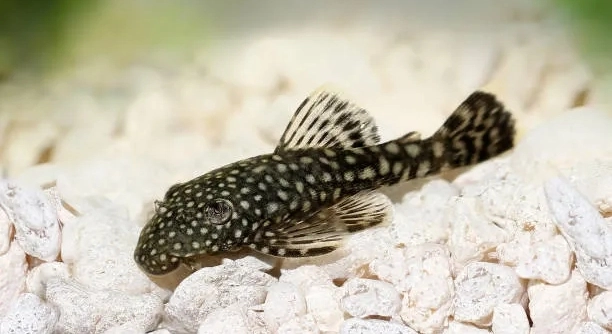
Plecos are popular fish in home aquariums, and many fishkeepers want to know how to identify the sex of their plecos. This can help with breeding or simply satisfying curiosity about the fish’s behavior.
Male and female plecos can often be distinguished by their physical differences. Male plecos generally have more pronounced odontodes (small spines) on their faces and bodies, while females tend to have rounder, wider bodies, especially during breeding periods.
Understanding these distinctions can help you identify your pleco’s sex and enhance your care routine. Keep reading to discover more about the characteristics that set males and females apart.
Physical Characteristics of Male and Female Plecos
One of the easiest ways to determine if a pleco is male or female is by observing their physical features. Male plecos often have a more defined, angular face with noticeable odontodes, small spines or bristles, along their snout and body. These bristles can be more noticeable during the breeding season, which helps males attract females. On the other hand, females have rounder, more robust bodies. This is especially noticeable when they are carrying eggs. The difference in body shape is more pronounced in certain species, especially the common bristlenose pleco.
When looking at a pleco, also check for size differences. Males are typically smaller than females, though this varies with the species. The males’ smaller size allows them to be more agile when courting females. Observing the physical traits of your plecos during breeding or feeding times can also help you spot these distinctions.
These physical traits become most obvious when plecos reach maturity. Young plecos often look alike, with bristles developing in males as they age. The size differences and body shapes should help you identify their sex as they grow older. This can be a fun and interesting aspect of keeping plecos in your aquarium.
Behavior Differences Between Males and Females
Behavior is another clue when distinguishing between male and female plecos. Males tend to be more active, especially during mating season. They will often exhibit behaviors like territory marking or chasing females to court them. Females, on the other hand, are more passive. They will usually rest or hide more often and will only engage in mating when they are ready.
Male plecos are also known to exhibit nesting behaviors, where they find or create a cave or crevice to lure a female to lay her eggs. Once the female lays the eggs, the male will guard the nest, fanning the eggs with his fins to ensure proper oxygenation. This type of behavior is key to understanding the mating habits of plecos.
In addition, males can be more territorial. They tend to claim a spot in the tank, especially when they are preparing for breeding. Females, however, are more likely to share spaces with other fish. Watching your plecos interact can give you insight into which one is male or female.
Size and Shape Differences
Size can be a helpful indicator when trying to determine the sex of your pleco. Males are generally smaller and more slender, while females tend to be larger and rounder, especially when carrying eggs. This difference is most noticeable in breeding season when the female’s body expands to accommodate the eggs.
Size can vary slightly depending on the species, but this trend is common. If you’re unsure, observe the overall shape of your pleco. Males typically have a more elongated, streamlined form, which helps them navigate and court females. Females, with their bulkier shape, are built to carry eggs and give birth. Knowing this difference can help you identify your pleco’s sex during growth.
These size differences are usually evident in adult plecos. While juveniles of both sexes look similar, the males gradually become more narrow and smaller as they mature. The females, however, bulk up over time. Keeping an eye on this growth pattern can aid in determining their sex with confidence.
Observing Breeding Behavior
Breeding behavior in plecos is one of the most telling signs of their sex. When the male is courting the female, he will often show aggressive behavior, chasing her and trying to coax her into a cave or crevice. During this time, the male displays his bristles to impress the female.
The female, in contrast, will remain more passive, responding only when she is ready to breed. She will enter the cave and lay her eggs, which the male then fertilizes. The female typically does not guard the nest, which is another sign of her sex.
Males will often stay in close proximity to the eggs, using their fins to fan and keep them oxygenated. This shows the male’s commitment to protecting the future offspring. The active role males play in breeding is a clear way to differentiate them from females, who take a less involved approach.
Odontodes: A Key Indicator
Odontodes are small, spine-like structures that help in identifying the sex of plecos. Males have more noticeable odontodes, especially around their face, fins, and body. These bristles become more prominent during the breeding season, aiding in courtship.
Females generally have fewer odontodes, and they are not as sharp or visible. During breeding, the difference in bristle size becomes especially apparent. This physical trait helps distinguish males from females. If you closely observe the pleco’s face and body, you’ll see the males’ bristles extending outward, particularly around the mouth area.
The presence of these spines also indicates maturity. Males with pronounced odontodes have reached breeding age and are ready to attract a mate. The difference in bristle patterns can be especially useful for identifying males, especially when they’re actively courting a female.
Body Shape
Males typically have more streamlined, slender bodies, while females are rounder and bulkier, especially when carrying eggs. This difference is often noticeable in adult plecos and can help you easily tell the sexes apart.
Females’ rounder bodies allow for egg storage, giving them a wider, thicker appearance. Males, in contrast, maintain a more narrow build, helping them move faster to compete for mates. If your pleco appears more cylindrical and compact, it’s likely female.
Behavior at Feeding Time
Males may show more aggressive behaviors during feeding, especially if they are competing for territory or food. They may chase other plecos or display dominance. Females tend to be more passive around feeding time and often avoid confrontation.
If you observe the plecos during feeding, the males are often more active, darting to the front of the tank and eating quickly. Females, on the other hand, may stay back and feed at a slower pace. This difference can be another small clue to identifying your pleco’s sex.
FAQ
How can I tell if my pleco is male or female at a young age?
At a young age, it’s harder to tell the sex of your pleco, as the physical traits that distinguish males from females haven’t fully developed yet. However, there are a few things you can look for. Even in younger plecos, males may begin to show slight odontodes (bristles) around the face, though they won’t be as pronounced as in adults. The size and shape of their bodies might also give you a hint. Males tend to be more slender, even at a young age. As your pleco matures, the differences will become more obvious.
Do plecos show their sex through behavior?
Yes, plecos’ behavior can help indicate their sex. Males are usually more active and assertive, especially during breeding periods. They’ll often chase after females, display their bristles, and establish territories in the tank. Females, on the other hand, are generally less active and more passive. During mating, females will mostly stay in the background until they are ready to lay eggs. Observing these behavioral differences, especially around breeding time, is a reliable way to spot the sex of your pleco.
Can the size of a pleco help identify its sex?
Size is one of the most noticeable differences between male and female plecos. In most species, males are smaller and more slender, while females are larger and bulkier, especially when they are carrying eggs. This difference becomes particularly clear when the pleco is sexually mature and breeding. Females tend to have rounder bodies, which helps them store eggs. If you have a pleco that appears more robust and bulky, it is likely female, while a slender one is more likely male.
Do all plecos have the same sexual characteristics?
While many plecos share similar traits when it comes to distinguishing between males and females, there are some variations depending on the species. For example, in the bristlenose pleco, males develop prominent bristles or odontodes around their faces, while females may have fewer or no bristles. However, in some pleco species, the differences in body size or shape might be the main way to tell the sexes apart. It’s essential to understand the specific species of pleco you have to accurately identify male and female traits.
Why do male plecos have more bristles than females?
The bristles, or odontodes, on male plecos are used primarily for attracting females and competing with other males during mating seasons. These bristles help males to impress females and establish dominance over their territory. During the breeding period, the bristles become more prominent and visible, often surrounding their faces and bodies. In contrast, females have fewer or no bristles because they do not need them for breeding. Their role is more passive, as they are focused on laying eggs and ensuring the survival of the offspring.
Can I tell the difference between male and female plecos if they are not breeding?
It can be difficult to distinguish between male and female plecos when they are not in breeding condition. Outside of the breeding season, the males may still show slight differences, like the presence of odontodes and a more streamlined body, but these traits are less noticeable. Females, even outside of breeding, are typically bulkier and rounder. However, without the breeding behaviors or the visual changes during that time, it may be hard to differentiate the sexes without close observation of physical traits like body shape and bristle development.
What happens to a pleco’s appearance when it is ready to breed?
When a pleco is ready to breed, significant changes can occur in both males and females. Male plecos develop larger, more prominent odontodes on their faces, and their bodies might appear more robust. They will often exhibit territorial behavior, chasing females and fighting off other males. The female pleco, when ready to breed, will appear rounder, especially around the abdomen, as she prepares to carry eggs. This visual change is more evident when the female is carrying eggs, and the male may attempt to lead her to a suitable nesting site.
How long does it take for plecos to reach sexual maturity?
Plecos generally reach sexual maturity between one and two years of age, depending on the species and the environment. During this time, males begin to show more obvious physical traits, such as the development of their bristles or odontodes, while females grow larger and rounder. Environmental factors, such as diet, water temperature, and tank conditions, can impact the timing of sexual maturity. Plecos kept in optimal conditions tend to mature a little earlier, while those in less-than-ideal conditions may take longer to reach sexual maturity.
Is there a way to safely breed plecos in a home aquarium?
Breeding plecos in a home aquarium is possible with the right setup. Male plecos will typically create a nest by finding a cave or crevice to attract a female. To encourage breeding, ensure that the tank has plenty of hiding spots and a stable environment. Temperature also plays a role in triggering breeding behavior, so slightly increasing the water temperature can help. It’s essential to have a good ratio of males to females and to avoid overcrowding. Once the female lays her eggs, the male will guard the nest until the eggs hatch.
Do plecos stay with their young after breeding?
After breeding, male plecos take the lead in protecting the eggs and the young. The male guards the eggs in the nest, keeping them oxygenated and ensuring they are safe from any potential threats. Once the eggs hatch, the fry will remain in the nest for a while, with the male continuing to look after them. Females typically do not participate in guarding the young, as their role was to lay the eggs. After hatching, the fry will begin to venture out of the nest, and the male may still stay close to ensure their protection.
Final Thoughts
Determining whether your pleco is male or female can be a bit tricky, especially when they are young or not in breeding conditions. However, by observing physical features like body shape, size, and the presence of bristles (odontodes), you can usually tell the difference. Males often have more noticeable bristles around their face and body, while females are typically bulkier, especially when they are carrying eggs. The size and shape of the pleco will become more obvious as they mature, and this can help you figure out whether it’s male or female.
Behavior is another helpful clue when trying to identify the sex of your pleco. Males are usually more active, especially during breeding times, and they might display territorial behavior by chasing other plecos or establishing a nesting site. On the other hand, females tend to be less active, staying in the background until they are ready to breed. These behavior patterns can give you a clearer idea of whether your pleco is male or female. However, without the right conditions, it may still be challenging to spot these differences, so patience is key.
If you are interested in breeding plecos, it is important to understand these physical and behavioral signs. Male plecos will create a nest and guard the eggs, while females will lay the eggs. Providing the right environment and conditions for breeding can encourage this behavior. Overall, knowing how to tell the difference between a male and female pleco can help you better care for your fish and improve your aquarium setup. Even if breeding is not your goal, recognizing the sexes can enhance your understanding of pleco behavior and needs.

Hello,
If you enjoy the content that we create, please consider saying a "Thank You!" by leaving a tip.
Every little bit helps us continue crafting quality advice that supports the health, happiness, and well-being of pets around the world, for pets of all shapes, sizes, and species.
We really appreciate the kindness and support that you show us!