
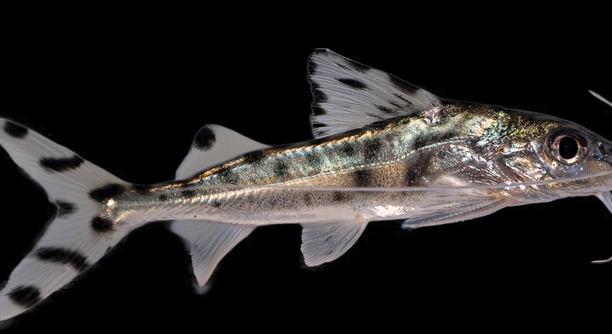
Pictus catfish are popular freshwater fish known for their peaceful nature and distinctive spotted bodies. Many aquarists enjoy keeping them, especially during breeding season. Knowing when a pictus catfish is ready to breed helps in providing the right care and environment.
Pictus catfish exhibit specific physical and behavioral changes when in breeding condition. These include the males developing a more intense coloration, particularly a darkening of the belly, increased activity, and the presence of breeding tubercles. Females often appear fuller due to egg development.
Recognizing these signs can improve your success in breeding and caring for your fish during this delicate time. Proper knowledge ensures a healthier environment for both adults and offspring.
Physical Signs of Breeding Condition
When pictus catfish are ready to breed, physical changes become clear. Males typically develop small white bumps called breeding tubercles on their pectoral fins. Their bellies may darken, sometimes turning a grayish or blackish tone. Females tend to have rounder, fuller abdomens due to eggs forming inside them. These changes can take several weeks and are often accompanied by increased activity. Males may chase females gently or clean certain areas of the tank to prepare for spawning. It’s important to observe these signs carefully to avoid confusing normal behavior with breeding readiness. Providing a well-maintained environment during this time supports the health of the fish and encourages natural spawning behavior.
Proper water conditions and tank setup play a key role in supporting these physical changes. Stable temperatures, clean water, and a soft substrate are essential to keep your pictus catfish comfortable and ready.
Breeding behaviors and physical signs in pictus catfish vary between individuals but generally follow a consistent pattern. Males darken their bellies, develop breeding tubercles, and display increased restlessness. Females show a rounded belly from egg development. Noticing these signs early allows you to prepare the tank by adjusting water parameters and adding suitable spawning surfaces like flat stones or broad leaves. Keeping the tank quiet and free of stress helps ensure the fish feel safe enough to breed. Monitoring physical changes alongside behavior will increase the chances of successful spawning and healthy offspring.
Behavioral Changes During Breeding Season
Pictus catfish show distinct behavioral changes when ready to breed. They become more active and may chase one another around the tank, often in gentle nudges or circling. Restlessness is common, especially in males.
During breeding, males clean specific spots to encourage spawning. They use their fins to fan eggs and guard the chosen area after laying. This behavior is a clear sign that breeding condition is achieved. Understanding these actions helps aquarists provide proper care during this sensitive time. Supporting the natural behaviors by minimizing disturbances can improve breeding success. Watching for these subtle cues adds to the satisfaction of caring for pictus catfish.
Environmental Factors That Encourage Breeding
Stable water conditions are essential for pictus catfish to enter breeding condition. They prefer slightly acidic to neutral pH levels, typically between 6.5 and 7.0. Temperature should be maintained around 78 to 82 degrees Fahrenheit to simulate their natural habitat. Sudden changes can stress the fish and delay breeding.
Maintaining excellent water quality with regular partial water changes helps prevent stress. Adding soft, sandy substrate and providing flat rocks or broad leaves encourages spawning. These surfaces mimic natural breeding sites. Gentle water flow and low lighting create a calm environment that promotes breeding readiness. Reducing disturbances and noise near the tank also supports natural behaviors.
Feeding a nutritious diet high in protein improves overall health and stimulates breeding condition. Live or frozen foods like bloodworms, brine shrimp, and daphnia offer essential nutrients. Feeding smaller amounts multiple times a day ensures good digestion and keeps the fish active. Avoid overfeeding, as poor water quality can result from leftover food. Monitoring feeding habits alongside environmental conditions maximizes breeding success.
Monitoring Health During Breeding Condition
Fish health often affects breeding success in pictus catfish. Watch for signs of stress or disease such as faded colors, lethargy, or clamped fins. Prompt action helps avoid setbacks during this critical period.
Regular observation is crucial, especially during the breeding phase. Keep an eye on swimming patterns and appetite. Changes in behavior can indicate health issues or unsuitable tank conditions. Maintain a consistent schedule for water testing and cleaning to prevent problems. When illness is suspected, isolate the affected fish and treat according to recommended guidelines. Early intervention supports recovery and allows breeding efforts to continue. Providing a stable, clean environment with proper nutrition keeps your pictus catfish healthy and ready for successful spawning.
Preparing the Tank for Spawning
Clear the tank of any sharp decorations that could harm the fish during spawning. Arrange smooth surfaces like flat stones or broad leaves where eggs can be laid. Provide gentle water flow and stable temperature to encourage spawning behavior.
Limit tank access during this time. Excess noise or vibrations can stress pictus catfish and reduce breeding success. Keeping the environment calm is crucial.
Feeding During Breeding
Increase feeding frequency with high-protein foods such as live or frozen bloodworms and brine shrimp. These meals support energy needs for breeding activities. Smaller, frequent feedings prevent water quality issues.
Recognizing Egg Laying
Pictus catfish deposit eggs on flat surfaces. Eggs appear as small, clear clusters attached firmly to rocks or leaves. After laying, parents may guard the site carefully to protect the eggs from harm.
Handling Fry After Hatching
Once eggs hatch, the fry require gentle care. Feeding infusoria or specialized fry food supports their early growth. Maintain clean water and low lighting to keep the young safe and healthy.
FAQ
How long does it take for pictus catfish to show breeding signs?
Pictus catfish usually begin showing breeding signs within a few weeks of being in optimal tank conditions. Males develop breeding tubercles and darker bellies, while females grow fuller abdomens. Consistent temperature, clean water, and a nutritious diet speed up this process.
Can I breed pictus catfish in a community tank?
Breeding pictus catfish in a community tank is possible but not ideal. Other fish may stress the breeding pair or eat the eggs and fry. It is best to set up a separate breeding tank with controlled conditions to protect the eggs and fry.
What is the best diet to prepare pictus catfish for breeding?
A high-protein diet is essential. Feeding live or frozen foods such as bloodworms, brine shrimp, and daphnia helps improve fish health and stimulates breeding behavior. Avoid overfeeding to maintain water quality.
How often should I change the water during breeding?
Frequent partial water changes, about 20-30% weekly, keep water clean and stable. Avoid large or sudden water changes that may stress the fish. Maintaining good water quality encourages successful breeding.
How can I tell if the eggs are fertilized?
Fertilized eggs are usually clear or slightly opaque and will develop a small embryo visible after a day or two. Unfertilized eggs turn white or fuzzy and should be removed to prevent contamination.
Do pictus catfish parents care for their eggs and fry?
Yes, pictus catfish parents typically guard their eggs and fan them with their fins to provide oxygen. They may also protect the fry briefly after hatching but do not show extended parental care, so separating fry after a few days is often recommended.
What water parameters are ideal for breeding pictus catfish?
Pictus catfish breed best in slightly acidic to neutral water with a pH between 6.5 and 7.0. Temperature should range from 78°F to 82°F (25.5°C to 28°C). Soft to moderately hard water mimics their natural environment and encourages breeding.
How long does it take for pictus catfish eggs to hatch?
Eggs typically hatch within 3 to 5 days, depending on water temperature and conditions. Warmer water speeds up development but avoid temperatures higher than 82°F to prevent stress.
Should I remove the parents after spawning?
It is usually best to remove the parents after spawning to prevent them from eating the eggs or fry. While parents guard the eggs initially, they can become aggressive or consume the young once hatched.
What kind of lighting is best during breeding?
Low or dim lighting helps reduce stress and mimics natural conditions. Bright lights may cause the fish to hide or delay spawning. Use subdued lighting or cover part of the tank if needed.
Can I use artificial plants for spawning surfaces?
Yes, artificial plants with broad, flat leaves work well as spawning sites. Ensure they are clean and free from sharp edges. Smooth stones and slate are also good alternatives.
How many eggs do pictus catfish usually lay?
A female pictus catfish can lay between 100 and 300 eggs per spawning. The exact number depends on her size, health, and environmental conditions.
What do I feed pictus catfish fry?
Newly hatched fry feed on microscopic organisms like infusoria. As they grow, you can introduce finely crushed flake food, baby brine shrimp, or specialized fry food. Frequent feeding in small amounts supports healthy growth.
What signs indicate that breeding is not successful?
Signs of unsuccessful breeding include eggs turning white or fuzzy, lack of fertilization, parents eating eggs, or no fry appearing after expected hatching time. Poor water quality and stress are common causes.
Can breeding pictus catfish change their behavior long-term?
After breeding, some fish may become more territorial or restless for a short period. Most return to normal peaceful behavior once the breeding cycle ends. Proper care helps minimize any lasting changes.
Final thoughts on identifying when a pictus catfish is in breeding condition highlight the importance of observing both physical and behavioral changes. The males’ darkened bellies and breeding tubercles are reliable physical indicators. Females show a fuller, rounded abdomen as eggs develop. Alongside these changes, increased activity and specific behaviors such as cleaning spawning sites or chasing partners help confirm breeding readiness. Paying close attention to these signs ensures proper timing for supporting the breeding process and creating a safe environment for the fish.
Maintaining optimal tank conditions is essential throughout the breeding period. Stable temperature, clean water, and appropriate pH levels create the best environment for pictus catfish to feel comfortable and ready to spawn. Providing soft substrates, flat surfaces, and quiet surroundings further encourages natural breeding behaviors. A high-protein diet supports fish health and reproductive capacity, so feeding live or frozen foods like bloodworms or brine shrimp is beneficial. Monitoring water quality with regular partial changes prevents stress and potential health problems, increasing the chances of successful breeding.
Breeding pictus catfish requires patience and attention to detail. Observing physical cues, understanding behavioral changes, and maintaining the right environment all work together to improve breeding outcomes. Recognizing these factors early helps prepare for the care of eggs and fry. While breeding can be challenging, it offers a rewarding experience for those who provide the necessary conditions and support. Taking these steps ensures healthier fish and a more successful breeding process.

Hello,
If you enjoy the content that we create, please consider saying a "Thank You!" by leaving a tip.
Every little bit helps us continue crafting quality advice that supports the health, happiness, and well-being of pets around the world, for pets of all shapes, sizes, and species.
We really appreciate the kindness and support that you show us!