
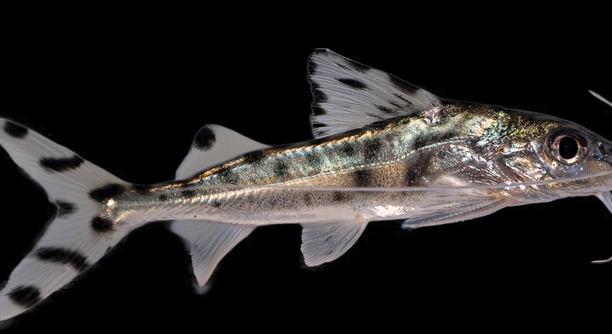
Many aquarium enthusiasts enjoy keeping Pictus catfish for their lively behavior and unique appearance. Observing these fish carefully helps ensure they are thriving in their environment. Recognizing comfort signs can improve their well-being.
A comfortable Pictus catfish shows steady, calm swimming patterns, maintains a healthy appetite, and displays clear, vibrant coloration. Stress or discomfort often results in hiding, erratic movements, or loss of appetite, which are key indicators to monitor.
Learning how to spot these signs early can enhance your fish’s health and make your aquarium more enjoyable to care for.
Signs of Comfort in Pictus Catfish
Pictus catfish that feel comfortable tend to explore their surroundings confidently. They swim smoothly across the tank without sudden jerks or hiding too often. Their fins stay spread out nicely, showing they are relaxed rather than clamped tight. You may notice them resting on the substrate or gently moving around plants and decorations. Comfortable fish eat regularly and respond to feeding times eagerly. Their skin looks bright, without dull spots or patches. It is also common to see them interact calmly with other fish, avoiding aggressive or frightened behavior. Proper tank conditions like clean water and good temperature help promote these signs of comfort. When the environment suits them, they will appear active but not stressed, giving a healthy glow to their appearance. Observing these behaviors daily can help you ensure your Pictus catfish are settled well in their habitat.
Comfortable Pictus catfish swim steadily and show normal activity patterns without signs of stress or illness.
Recognizing these behaviors early allows you to make timely changes in their care. Small adjustments in water quality, tank mates, or hiding spots can improve their comfort. When fish feel safe, they grow healthier and live longer. Spending time watching them can reveal subtle changes that signal discomfort before serious problems occur. This attention helps maintain a balanced aquarium and keeps your Pictus catfish happy and thriving over time.
Common Causes of Discomfort
Stress in Pictus catfish often comes from poor water quality or an unsuitable environment. These fish need clean water with stable temperature and proper oxygen levels. Overcrowding or aggressive tank mates can also cause anxiety. Lack of hiding places leaves them feeling exposed, increasing stress. Feeding problems, like irregular schedules or low-quality food, may affect their comfort. Even sudden changes in the tank setup can upset them. Consistent maintenance and careful selection of tank conditions prevent most issues. Keeping the environment stable and peaceful is key for their well-being.
Discomfort in Pictus catfish usually results from unstable or inappropriate tank conditions.
To reduce discomfort, regularly check water parameters including pH, ammonia, nitrite, and nitrate levels. A tank size of at least 30 gallons helps provide enough space for swimming. Add plants or caves to create hiding spots. Avoid aggressive fish that might bully your catfish. Feed a balanced diet with quality sinking pellets or live foods. Monitoring behavior daily helps catch signs of stress early. Taking these steps supports a calm, healthy habitat where your Pictus catfish can thrive peacefully.
Monitoring Behavior Changes
Sudden changes in swimming patterns often indicate discomfort in Pictus catfish. Pay close attention if they start hiding more or become restless. These shifts usually signal environmental stress or illness.
Noticing unusual behavior early is essential. If your catfish begins darting around or stays still for long periods, it could mean water quality issues or disease. Watch for signs like scratching against tank surfaces or breathing rapidly. These are clues to act quickly by testing water conditions and possibly consulting a vet. Keeping a routine of observing daily behaviors helps catch problems before they worsen, protecting your fish’s health and comfort.
Behavior changes can also result from new tank mates or rearranged decorations. Pictus catfish are sensitive to their surroundings, and disruptions might cause temporary stress. Gradually introducing changes and maintaining a consistent environment minimizes this risk. If the fish adapts well, normal behavior should return within a few days. If not, further investigation is needed to ensure no underlying problems affect their comfort and well-being.
Creating a Comfortable Environment
Stable water temperature and clean conditions are vital for Pictus catfish comfort. Regular water changes help maintain these factors, reducing stress and illness risks.
A well-maintained tank includes proper filtration and aeration to keep oxygen levels high. Use a thermometer to monitor temperature between 72°F and 78°F, ideal for this species. Avoid sudden temperature swings, which can shock your fish. Adding plants and hiding places helps them feel secure. Soft substrate prevents injury to their sensitive barbels. Keeping noise and vibrations low around the aquarium also contributes to a peaceful environment. Consistency in these factors supports the fish’s natural behavior and overall comfort, making your tank a healthy home.
Feeding Habits and Comfort
Pictus catfish that are comfortable show a healthy appetite and eat regularly. They usually come out during feeding times and actively search for food on the tank bottom.
A loss of appetite or hesitation to eat often signals stress or illness. Maintaining a consistent feeding schedule with quality food helps keep them comfortable and healthy.
Tank Mates Impact
Choosing compatible tank mates is important for Pictus catfish comfort. Peaceful fish that share similar water needs reduce stress and aggression risks.
Aggressive or overly active species can cause anxiety and hiding behavior. Researching fish compatibility before adding new tank mates ensures a calm, balanced community where your Pictus catfish can thrive without constant stress.
Water Quality Essentials
Maintaining clean, balanced water is critical. Regular testing and changes prevent harmful buildup of toxins that cause discomfort.
Clear water supports the fish’s immune system, reducing disease risks and promoting overall well-being.
Recognizing Signs of Stress
Stress in Pictus catfish can show as faded colors, clamped fins, or erratic swimming. Early detection helps prevent health decline.
FAQ
How can I tell if my Pictus catfish is happy in its tank?
A happy Pictus catfish will swim smoothly, explore the tank, and show interest in food during feeding times. Its colors will appear bright, and fins will be fully open. It will not hide excessively or behave nervously. Regular activity and normal eating habits are good signs of comfort.
What are the most common signs of stress in Pictus catfish?
Stress often shows through hiding, erratic or sluggish swimming, loss of appetite, and faded colors. You might also notice clamped fins or scratching against decorations. These behaviors usually mean something in the environment isn’t right, such as poor water quality, aggressive tank mates, or improper temperature.
How often should I feed my Pictus catfish?
Feeding once or twice a day with a small amount of food they can eat within a few minutes is best. Overfeeding can pollute the water and cause health problems. Offering sinking pellets or occasional live or frozen foods matches their natural diet and helps keep them healthy.
What tank size is ideal for Pictus catfish comfort?
A minimum of 30 gallons is recommended for Pictus catfish to have enough space to swim and hide. Larger tanks help maintain stable water conditions, which reduces stress and supports better health.
Can Pictus catfish live with other fish?
Yes, but choose peaceful species that won’t bully or outcompete them for food. Avoid aggressive or overly territorial fish. Adding plants and hiding spots helps reduce stress by allowing the catfish places to retreat.
What water conditions are best for Pictus catfish?
They prefer temperatures between 72°F and 78°F, a pH of 6.5 to 7.5, and low ammonia, nitrite, and nitrate levels. Consistent water changes and good filtration keep the tank healthy and comfortable for them.
Why does my Pictus catfish hide so much?
Hiding can be normal during the day since Pictus catfish are more active at night. However, excessive hiding might indicate stress, poor water quality, or bullying from other fish. Check the tank environment and water parameters if hiding increases suddenly.
What should I do if my Pictus catfish stops eating?
First, check water quality and tank conditions. Stress or illness often cause loss of appetite. Observe for other signs like unusual swimming or discoloration. If the problem persists, consult an aquarium specialist or veterinarian experienced with fish.
How can I reduce stress for my Pictus catfish?
Maintain stable water conditions, provide hiding places, and avoid overcrowding. Keep a consistent feeding schedule and avoid sudden changes in the tank setup. Choosing compatible tank mates and monitoring behavior regularly also helps reduce stress.
Is it normal for Pictus catfish to swim near the surface sometimes?
Occasional surface swimming is normal, especially during feeding or when exploring. However, frequent surface gasping might indicate low oxygen levels or poor water quality, which requires immediate attention to improve aeration and filtration.
How do I encourage my Pictus catfish to be more active?
Ensure the tank environment mimics their natural habitat with plants and hiding spots. Feeding a varied diet and maintaining clean water encourages healthy activity. Avoid overly bright lights, as they prefer dimmer conditions.
What causes fin clamping in Pictus catfish?
Fin clamping usually signals stress, illness, or poor water conditions. It is important to check the water parameters and look for signs of disease. Prompt action can help prevent more serious health issues.
How long do Pictus catfish typically live?
With proper care, Pictus catfish can live up to 8 years. Good water quality, a suitable tank, and a balanced diet are crucial for a long and healthy life.
Can Pictus catfish recognize their owners?
While they do not form bonds like some pets, Pictus catfish can learn to associate their owners with feeding times and may respond to movement near the tank.
What types of food are best for Pictus catfish?
High-quality sinking pellets designed for catfish work well. Supplementing with live or frozen foods like bloodworms or brine shrimp provides variety and nutrition. Avoid overfeeding to keep the tank clean and the fish healthy.
How do I know if my Pictus catfish is sick?
Look for changes in behavior such as lethargy, loss of appetite, unusual swimming, clamped fins, or discoloration. Physical signs like spots, ulcers, or frayed fins also indicate illness. Early detection and treatment are key.
Is it okay to keep multiple Pictus catfish together?
Yes, they can live peacefully in groups of three or more if the tank is large enough. This helps reduce stress and encourages natural behavior. Be sure to provide plenty of hiding spots and space for swimming.
What lighting conditions suit Pictus catfish best?
They prefer dim or moderate lighting. Too much light can cause stress and encourage hiding. Using plants or decorations to create shaded areas helps them feel safe.
How often should I clean the tank for Pictus catfish?
Partial water changes of about 25% every one to two weeks help maintain good water quality. Clean the substrate gently to avoid disturbing the fish. Regular filter maintenance is also important.
What are the signs of a healthy Pictus catfish?
Healthy fish swim actively, eat well, have bright colors, clear eyes, and smooth, intact fins. They respond to feeding and move confidently around the tank without signs of stress or illness.
When caring for Pictus catfish, paying attention to their comfort is very important. These fish show their well-being through behavior, appearance, and activity levels. Watching how they swim, eat, and interact with their environment can help you understand if they are comfortable or stressed. Comfortable Pictus catfish will swim smoothly, explore the tank, and show interest in food. Their colors will look bright, and their fins will be open and relaxed. If you notice changes like hiding too much, loss of appetite, or erratic swimming, it is a sign that something might be wrong. Addressing these early signs can prevent serious health problems and keep your fish happy.
Maintaining a stable and suitable environment plays a key role in the comfort of Pictus catfish. This includes keeping the water clean, stable in temperature, and within the right pH range. Regular water testing and changes help remove harmful toxins and keep water quality high. Providing hiding places like plants or decorations gives the catfish a safe space to rest and feel secure. Avoid overcrowding and aggressive tank mates to reduce stress. Feeding a balanced diet on a consistent schedule also supports their health. These basic care steps make a big difference in helping your Pictus catfish live comfortably and thrive.
It is important to observe your Pictus catfish regularly and respond quickly to any changes in behavior or health. Learning to recognize signs of comfort and discomfort helps you make better care decisions. Keeping the tank conditions stable and suitable will reduce stress and support their natural behavior. Pictus catfish can be peaceful and active fish when their needs are met. Taking the time to create a good environment and paying attention to your fish will reward you with a healthy, lively aquarium. This thoughtful care approach ensures your Pictus catfish remain comfortable and enjoy a long, healthy life.

Hello,
If you enjoy the content that we create, please consider saying a "Thank You!" by leaving a tip.
Every little bit helps us continue crafting quality advice that supports the health, happiness, and well-being of pets around the world, for pets of all shapes, sizes, and species.
We really appreciate the kindness and support that you show us!