
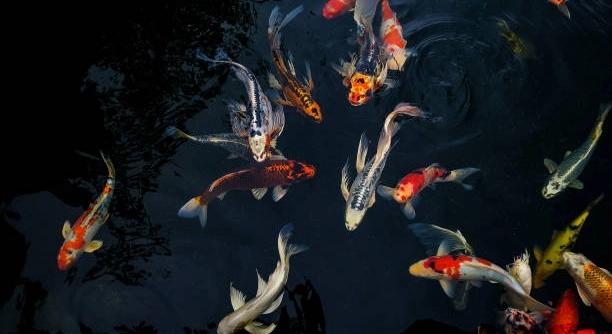
Koi ponds are peaceful water gardens enjoyed by many. Keeping the fish healthy depends on the water quality, especially the oxygen level. Low oxygen can cause stress and harm to koi fish if not addressed promptly.
Low oxygen in a koi pond is indicated by sluggish fish behavior, gasping at the surface, cloudy water, and increased algae growth. Regular water testing and proper aeration are essential to maintain healthy oxygen levels and prevent fish distress.
Recognizing these signs early helps protect your koi and maintain a balanced pond environment for long-term enjoyment.
Signs Your Koi Pond May Have Low Oxygen
When oxygen levels drop in a koi pond, the fish quickly show signs of distress. One common indication is koi gathering at the water’s surface, gasping for air. You might notice their movements slowing down or becoming sluggish. Fish may isolate themselves or lose interest in food. Cloudy or murky water often accompanies low oxygen, as does an increase in algae growth, which can further reduce oxygen by consuming nutrients. Uneaten food and decaying plants also lower oxygen levels by increasing bacteria that use up oxygen. In some cases, koi may develop red or inflamed gills due to stress. These visible signs are important to catch early to avoid serious health problems or fish deaths.
Checking your pond regularly for these symptoms is key to keeping koi healthy. Timely action helps restore oxygen levels before damage occurs.
Testing water oxygen content with simple kits can confirm low oxygen. Aeration and water movement improve oxygen circulation efficiently.
How to Increase Oxygen in Your Koi Pond
Low oxygen can be fixed by improving water circulation. Adding an air pump or fountain helps oxygenate the pond by increasing surface movement. Waterfalls or streams create natural agitation that boosts oxygen levels. Regular cleaning removes debris and excess algae, preventing oxygen depletion. Avoid overfeeding koi, as leftover food decays and consumes oxygen. Plants like water lilies provide shade but should be balanced since too many can reduce oxygen at night. Keeping fish density appropriate to pond size also prevents oxygen shortages. Using aerators especially during hot weather or winter when oxygen naturally decreases is beneficial. These steps maintain a healthy environment where koi can thrive.
Testing Oxygen Levels in Your Koi Pond
Testing your pond’s oxygen is simple with a dissolved oxygen test kit. These kits measure the oxygen concentration in the water and help you understand if levels are safe for koi. Regular testing is important, especially during hot weather or after adding new fish.
Using the test kit involves taking a water sample and following the instructions carefully. Ideal oxygen levels for koi ponds range from 6 to 8 mg/L. Levels below 5 mg/L can stress fish and harm their health. Keeping track of these numbers helps you catch problems early and make adjustments quickly.
Besides testing, observe your koi’s behavior daily. If the fish appear lethargic or are gasping at the surface, test the water immediately. Acting quickly can prevent serious harm to your fish and maintain a balanced pond environment.
Effects of Low Oxygen on Koi Health
Low oxygen causes koi to struggle with normal activities like swimming and feeding. Prolonged oxygen deficiency weakens their immune system, making them vulnerable to infections. Fish may show signs of stress such as faded colors or damaged gills. In severe cases, low oxygen leads to suffocation and death.
Stress from oxygen shortage disrupts koi metabolism and growth, leading to long-term health issues. It also increases vulnerability to parasites and diseases. Maintaining proper oxygen levels ensures koi stay active, healthy, and vibrant. Consistent pond care is essential for preventing these harmful effects and supporting your fish’s wellbeing.
Common Causes of Low Oxygen in Koi Ponds
Poor water circulation limits oxygen exchange at the surface. Overcrowding increases oxygen demand beyond supply. Excess organic matter like leaves, fish waste, and uneaten food consumes oxygen during decay.
Warm water holds less oxygen, so high temperatures can reduce oxygen levels. Algae blooms also affect oxygen, producing it during the day but consuming it at night, causing fluctuations harmful to koi.
Importance of Aeration Systems
Aeration systems introduce oxygen into the water by creating movement and bubbles. They help keep oxygen levels steady, especially in deeper or larger ponds. Proper aeration supports healthy fish and prevents problems caused by low oxygen.
Signs of Algae Impact on Oxygen
Algae growth can cause oxygen swings. It produces oxygen during sunlight but uses it at night, lowering oxygen when koi need it most. Managing algae is important to keep oxygen stable.
Maintaining a Balanced Pond Ecosystem
A balanced pond supports healthy oxygen levels naturally. Proper plant selection, regular cleaning, and avoiding overfeeding help maintain this balance.
FAQ
How often should I test oxygen levels in my koi pond?
Testing oxygen levels once a week is a good practice, especially during warm months when oxygen can drop quickly. If you notice koi gasping or unusual behavior, test immediately. Regular checks help catch problems early and keep your fish safe.
What is the ideal oxygen level for koi ponds?
The ideal dissolved oxygen level for koi ponds is between 6 and 8 mg/L. Levels below 5 mg/L can stress fish and lead to health problems. Keeping oxygen within this range ensures koi stay active and healthy.
Can plants affect oxygen levels in my pond?
Yes, aquatic plants impact oxygen levels. During the day, they release oxygen through photosynthesis, which helps the pond. However, at night, plants consume oxygen. Too many plants can cause oxygen to dip dangerously low overnight, so balance is important.
What are the best ways to increase oxygen in a koi pond?
Aeration is the most effective way to increase oxygen. Installing air pumps, fountains, or waterfalls improves water movement and oxygen exchange. Removing excess debris and controlling algae also help keep oxygen levels up.
Why do koi gasp at the surface of the pond?
Koi gasping at the surface often means low oxygen in the water. They come up to breathe near the surface where oxygen concentration is higher. This behavior signals that immediate action is needed to improve oxygen supply.
Does temperature affect oxygen levels in the pond?
Yes, warmer water holds less oxygen. During hot weather, oxygen levels can drop quickly, which stresses koi. Cooler water holds more oxygen, so monitoring temperature along with oxygen is important for pond health.
Can overfeeding my koi cause low oxygen levels?
Overfeeding leads to leftover food that decays in the pond. This decay process consumes oxygen and increases harmful bacteria. Feeding koi only what they can eat in a few minutes helps prevent oxygen depletion.
Is cloudy water a sign of low oxygen?
Cloudy water can indicate low oxygen, but it may also result from bacteria or algae blooms. These conditions often use up oxygen quickly, so cloudy water should prompt testing and cleaning.
How does algae growth influence oxygen?
Algae produce oxygen during the day but consume it at night. Heavy algae growth can cause oxygen to drop to dangerous levels after sunset, creating a risky environment for koi.
Can adding more fish reduce oxygen levels?
Adding too many fish increases oxygen demand, which can quickly lower oxygen levels if the pond isn’t aerated properly. Keep fish numbers appropriate to your pond size to avoid oxygen shortages.
What should I do if my pond has very low oxygen?
Increase aeration immediately with pumps or fountains. Remove decaying organic matter and reduce feeding. If possible, perform partial water changes with fresh, oxygen-rich water to help restore balance.
Are there any natural ways to improve oxygen?
Adding aquatic plants that oxygenate well and creating water movement with waterfalls or streams can naturally boost oxygen. Avoid overgrowth, though, since too many plants may cause oxygen drops at night.
How do I know if my koi are stressed from low oxygen?
Look for slow swimming, gasping at the surface, loss of appetite, faded colors, or red gills. These signs mean your koi need better oxygen conditions quickly.
Can winter affect oxygen levels in a koi pond?
Yes, oxygen levels can drop under ice cover because gas exchange slows. Aeration devices designed for winter help maintain oxygen and keep koi healthy through cold months.
Is it safe to use chemical treatments to raise oxygen?
Some chemical oxygen boosters are available but should be used cautiously and as a temporary solution. Long-term care should focus on natural aeration and good pond management.
How do I balance plants and fish for good oxygen levels?
Maintain moderate plant coverage that oxygenates well during the day but doesn’t overwhelm the pond. Match fish numbers to pond size and avoid overfeeding to keep oxygen steady.
Can a pond heater help with oxygen levels?
Pond heaters can keep water from freezing in winter but don’t increase oxygen. Aeration is still needed to maintain healthy oxygen during cold months.
How important is water movement for oxygen?
Water movement is crucial as it increases oxygen exchange at the surface. Stagnant water holds less oxygen, which can harm koi. Pumps, fountains, and waterfalls help maintain good circulation.
What tools do I need to monitor pond oxygen?
Simple dissolved oxygen test kits are affordable and easy to use. Some digital meters provide quick, accurate readings. Combining tests with observation of fish behavior is best for monitoring pond health.
Can low oxygen cause fish deaths suddenly?
Yes, if oxygen levels fall too low quickly, koi can suffocate and die. This often happens in hot weather or at night with heavy algae. Preventative aeration and monitoring are key to avoiding sudden losses.
Maintaining proper oxygen levels in a koi pond is essential for keeping your fish healthy and happy. Low oxygen can cause stress, slow growth, and even death if not addressed in time. Watching for signs like koi gasping at the surface, sluggish movements, and cloudy water helps catch problems early. Regularly testing the water’s oxygen levels and observing your fish’s behavior are simple steps that make a big difference. By staying aware, you can prevent many common issues and ensure a good environment for your koi to thrive.
There are several practical ways to improve oxygen levels when needed. Adding aeration devices like air pumps, fountains, or waterfalls increases water movement and oxygen exchange. Keeping the pond clean by removing debris, controlling algae, and not overfeeding your fish also helps keep oxygen stable. Aquatic plants can contribute positively but should be balanced to avoid oxygen drops at night. Temperature affects oxygen, so it’s important to be extra careful during hot weather and winter months when oxygen can naturally decrease. These actions support a healthy, balanced pond ecosystem.
Taking care of a koi pond requires consistent attention, but the rewards are worth it. Healthy koi are more active, colorful, and live longer. Proper oxygen management plays a key role in this. When you maintain good oxygen levels, you create a safer and more enjoyable pond environment. Even small changes can have a big impact on your koi’s wellbeing. With regular monitoring and simple adjustments, your koi pond can remain a beautiful and peaceful place for years to come.

Hello,
If you enjoy the content that we create, please consider saying a "Thank You!" by leaving a tip.
Every little bit helps us continue crafting quality advice that supports the health, happiness, and well-being of pets around the world, for pets of all shapes, sizes, and species.
We really appreciate the kindness and support that you show us!