
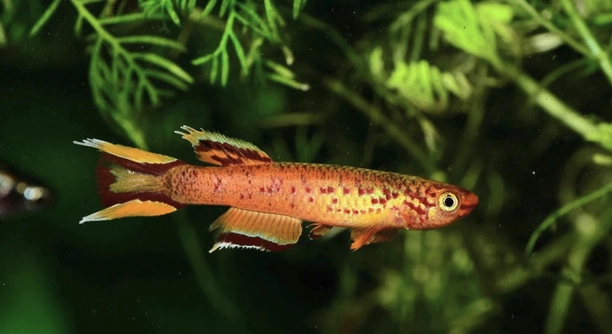
Are your killi fish acting differently or showing signs of distress? It is important to recognize when these small, colorful fish may be sick. Knowing the early signs can help keep your fish healthy and thriving in your aquarium.
Identifying a sick killi fish involves observing physical changes such as discoloration, clamped fins, or lethargy, as well as behavioral shifts like reduced appetite or erratic swimming. Timely detection supports effective treatment and prevents disease spread.
Learning to spot these signs early will help you care for your killi fish better and maintain a healthy tank environment. This guide offers clear steps to identify common illness symptoms.
Common Signs of Illness in Killi Fish
Killi fish often show clear signs when they are unwell. Common symptoms include faded colors, clamped fins, and slow movements. You might notice them hiding more than usual or swimming awkwardly near the surface or bottom of the tank. Loss of appetite is another red flag, as sick fish often refuse food. Sometimes, white spots or patches appear on their bodies, indicating possible infections. Swollen bellies or bloating can also signal health problems. Paying close attention to these changes helps catch illness early. When you see these signs, it is important to isolate the affected fish to prevent spreading disease to others. Maintaining good water quality and a proper diet supports recovery and prevents future sickness. Keeping a clean tank and monitoring your fish regularly can reduce stress and boost their immune system.
Early detection of symptoms is key to successful treatment and recovery of your killi fish.
Fish illness often stems from poor water conditions or parasites. Regular water tests can identify harmful changes in pH, ammonia, or nitrate levels. Using a reliable water conditioner and performing partial water changes keep the environment stable. Parasites can be treated with appropriate medications, but only after identifying the exact problem. Stress from overcrowding or incompatible tank mates weakens immunity and increases illness risk. Balanced nutrition strengthens fish health; offering varied, quality food is essential. Observation is critical—watch your fish daily for any behavior or appearance changes. Quarantine new fish before adding them to the main tank to avoid introducing diseases. Prevention is the best approach, but understanding common health issues helps manage problems efficiently when they arise.
How to Care for a Sick Killi Fish
When your killi fish shows signs of sickness, begin by isolating it in a separate tank or hospital container. This prevents other fish from catching the illness. Keep the water clean and maintain the same temperature as the main tank to reduce stress. Avoid overfeeding, as excess food can degrade water quality. Provide a calm, quiet environment to support healing. Using medication designed for the specific illness will speed recovery. Follow dosage instructions carefully to avoid harming your fish. Monitor the fish closely for improvement or worsening symptoms. If no progress occurs after several days, consider consulting a veterinarian or aquarium specialist. Remember, patience and consistent care are crucial during recovery.
Treating sickness early improves the chances of your killi fish returning to full health quickly.
Preventing Sickness in Killi Fish
Good tank hygiene is essential to prevent illness. Regular water changes and cleaning help keep the environment safe. Avoid overcrowding, as stress weakens fish immunity and encourages disease. Maintain stable water temperature and quality to support your fish’s health.
Feeding your killi fish a balanced diet is important. Use high-quality flakes, pellets, or live food suitable for killis. Avoid overfeeding, as leftover food can pollute the tank and cause bacterial growth. Keep an eye on their eating habits to detect early health problems. Providing hiding spots and plants reduces stress and mimics their natural habitat. These steps contribute to stronger, healthier fish less prone to sickness.
Quarantining new fish before adding them to your tank protects your killi fish from potential diseases. A quarantine period of at least two weeks allows observation for any signs of illness. Use a separate tank with similar water conditions to minimize stress on the new arrivals. During this time, watch for symptoms like lethargy, spots, or abnormal behavior. Treat any issues promptly before mixing fish together. This practice helps maintain a healthy community tank and reduces the risk of outbreaks.
Common Treatments for Sick Killi Fish
Medication choice depends on the illness type. Antibacterial, antifungal, or antiparasitic treatments target specific infections. Always follow instructions carefully to avoid harming your fish or beneficial bacteria. Many illnesses respond well to commercial fish medicines available at pet stores.
Improving water quality supports treatment and recovery. Perform frequent partial water changes to remove toxins and waste. Test water parameters regularly to ensure stable pH, ammonia, nitrite, and nitrate levels. Removing stressors like aggressive tank mates helps fish heal faster. Monitor your fish daily during treatment and adjust care as needed. Combining proper medication with good husbandry increases chances of successful recovery and long-term health for your killi fish.
Monitoring Your Killi Fish’s Health
Regular observation is key to keeping your killi fish healthy. Watch for changes in behavior, color, and appetite daily. Early signs of sickness are easier to treat when caught quickly.
Keeping a health log can help track patterns or recurring issues. Note any symptoms and treatment responses to improve care over time.
When to Seek Professional Help
If your killi fish’s condition worsens despite treatment, professional advice is necessary. A veterinarian or aquatic specialist can provide accurate diagnosis and stronger treatments. Persistent symptoms or unusual behavior often require expert care to prevent loss.
Importance of a Stress-Free Environment
Stress weakens fish immune systems and invites illness. Maintain a calm tank with proper hiding places and stable conditions to support overall health and reduce sickness risks.
FAQ
How can I tell if my killi fish is stressed or sick?
Stress and sickness can look similar. Signs include hiding, clamped fins, loss of color, and reduced activity. Sick fish often stop eating and may swim erratically. Stress can come from poor water quality, overcrowding, or aggressive tank mates. Watch carefully for these changes to act quickly.
What water conditions are best for killi fish health?
Killi fish thrive in clean, well-filtered water with stable temperatures between 72°F and 78°F (22°C to 26°C). The pH should be slightly acidic to neutral, around 6.0 to 7.5. Regular water changes and testing keep these parameters steady, which helps prevent illness.
Can diet affect my killi fish’s health?
Yes, diet plays a big role. Killi fish need a balanced diet of high-quality flakes, pellets, and live or frozen foods like brine shrimp or bloodworms. Variety ensures they get all necessary nutrients. Overfeeding should be avoided to prevent water pollution and digestive problems.
What are common diseases in killi fish?
Common issues include ich (white spot disease), fin rot, fungal infections, and parasitic infestations. These cause symptoms like white spots, frayed fins, or unusual swimming behavior. Early detection and proper treatment are crucial to prevent serious harm.
How do I isolate a sick killi fish?
Use a separate hospital tank or container with clean, conditioned water matching the main tank’s temperature. Place the sick fish there to reduce stress and prevent disease spread. Keep the hospital tank simple, without decorations, to allow easy monitoring and cleaning.
How often should I clean my killi fish tank?
Perform partial water changes of 20-30% weekly to maintain good water quality. Clean decorations and substrate as needed to remove waste buildup. Avoid full water changes or harsh cleaning, as this can stress the fish and disrupt beneficial bacteria.
Can killi fish recover from illness?
Yes, many killi fish recover with timely treatment and good care. Recovery depends on the illness severity and how quickly it is addressed. Providing a stress-free environment and following medication instructions carefully improves recovery chances.
What signs mean it’s time to see a vet?
Seek professional help if your fish stops eating for more than several days, shows severe physical damage, or if symptoms worsen despite treatment. Persistent lethargy, swelling, or difficulty breathing also require expert attention to prevent loss.
Are there natural remedies for killi fish diseases?
Some mild illnesses respond to improved water quality and a nutritious diet. Adding aquarium salt in low doses can help with minor infections. However, most diseases need specific medications for effective treatment. Use natural remedies cautiously and monitor the fish closely.
How can I prevent diseases in my killi fish tank?
Maintain stable water parameters, avoid overcrowding, and quarantine new fish. Feed a balanced diet and keep the tank clean. Stress reduction is essential. Regular observation allows early detection, which helps keep your fish healthy and thriving.
Final Thoughts
Caring for killi fish requires close attention to their health and environment. These small, colorful fish can show signs of illness through changes in behavior or appearance. Spotting problems early is important to give your fish the best chance of recovery. Regular observation, combined with good tank maintenance, helps prevent many common health issues. Keeping water clean and stable supports your fish’s immune system and reduces stress, which is often a major factor in illness.
Providing a balanced diet tailored to killi fish needs also plays a key role in their well-being. Feeding high-quality food in the right amounts keeps them strong and healthy. Overfeeding can lead to poor water quality and health problems, so it is important to feed them just enough and remove any leftovers promptly. Quarantining new fish before adding them to your main tank protects your current fish from diseases that might be introduced. All these simple but consistent habits build a solid foundation for a thriving aquarium.
When sickness does occur, quick action and proper treatment are necessary. Isolating the affected fish in a hospital tank reduces the risk of spreading disease and helps you monitor their recovery closely. Using the right medication and following instructions carefully increases the chances of successful healing. However, some illnesses may require professional help if symptoms worsen or do not improve. By understanding how to care for your killi fish and recognizing signs of illness early, you can ensure they live healthy, vibrant lives in your aquarium.

Hello,
If you enjoy the content that we create, please consider saying a "Thank You!" by leaving a tip.
Every little bit helps us continue crafting quality advice that supports the health, happiness, and well-being of pets around the world, for pets of all shapes, sizes, and species.
We really appreciate the kindness and support that you show us!