
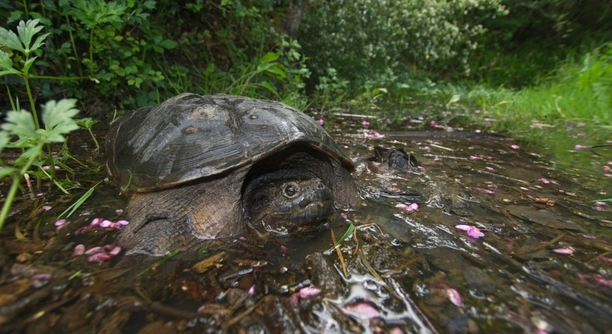
Common snapping turtles are fascinating creatures, but sometimes they show signs of stress. Knowing how to recognize these signs can help ensure their well-being and prevent further health complications. Stress can affect their behavior and health.
Stress in a common snapping turtle can be identified through changes in behavior, appetite, and physical appearance. They may become more aggressive, stop eating, or show signs of illness, such as lethargy or abnormal shell conditions.
Recognizing these signs early can help improve your turtle’s quality of life. Addressing stress promptly is crucial for maintaining their overall health and happiness.
Common Causes of Stress in Snapping Turtles
Stress in snapping turtles can stem from various factors, including changes in their environment, diet, or interactions with humans. Poor water quality, incorrect tank conditions, and overcrowding are common triggers. When a turtle’s habitat doesn’t meet its needs, it can feel threatened, leading to stress. Additionally, if they are handled too often or roughly, they may become more aggressive or withdrawn. Stress may also be caused by a lack of proper food. Snapping turtles require a balanced diet with both plant matter and animal protein. When they don’t get the right nutrition, it can impact their health and behavior. Over time, this can cause a noticeable change in their behavior, such as avoiding food or aggression toward their surroundings.
Turtles are sensitive to sudden changes, so making gradual adjustments to their environment can help reduce stress.
If you notice any of these stress signs, take immediate action. Ensuring a comfortable habitat and proper care can make all the difference in managing their stress.
How to Improve Their Environment
A snapping turtle’s environment plays a major role in its overall well-being. Clean water, a spacious habitat, and the right temperature are essential for a healthy turtle. Proper filtration is necessary to keep the water clear, and the temperature should be monitored closely. If their habitat is too small or doesn’t provide adequate hiding places, they may feel vulnerable, which can cause stress. Snapping turtles need access to dry land where they can bask and feel safe from potential threats. Regular cleaning of their enclosure also contributes to reducing any stress caused by poor conditions. Adding plants and rocks to mimic a natural setting will make the environment more comfortable for them.
A well-maintained tank gives your snapping turtle a sense of security and reduces their stress levels. Proper water quality and regular monitoring are crucial steps to take.
Recognizing Stress Symptoms in Snapping Turtles
Turtles may not always show clear signs of stress, but there are noticeable changes in behavior. If your snapping turtle is constantly hiding, not eating, or seems unusually aggressive, these can be red flags. Physical signs such as lethargy, shell damage, or abnormal movement should also be closely observed. These symptoms are a sign that something may be wrong in their environment. Watching for these changes can help you identify stress early and take the necessary steps to correct it. Early intervention can prevent long-term health issues.
Understanding the signs of stress is essential in maintaining a snapping turtle’s health. Aggression is one of the first signs that your turtle may be under stress. Snapping turtles are naturally territorial, but excessive biting or defensive postures may indicate discomfort. A lack of appetite can also point to stress, especially if they usually eat well. They may also become more withdrawn, staying in the corners of their tank or under objects for extended periods. If these changes happen, it’s time to assess their surroundings for possible causes.
Another sign of stress is changes in the turtle’s physical appearance. Look for cracks or discoloration on the shell, as these could be a result of improper care or environment. A stressed turtle may also show signs of dehydration or weight loss. Pay attention to their breathing as well, as stress can sometimes cause labored or shallow breaths. These physical changes need to be addressed quickly to prevent further harm to the turtle’s health.
Improving Your Snapping Turtle’s Diet
A balanced diet is key to preventing stress in snapping turtles. They need both animal protein and plant matter to stay healthy. Over time, a diet lacking in either category can lead to nutritional deficiencies and stress. Fresh fish, insects, and even small crustaceans can provide the animal protein they need. Leafy greens and vegetables like lettuce, kale, and dandelion greens are essential for their plant intake. Offering a variety of foods will keep them engaged and healthy. Overfeeding, however, can also be a problem, so portion control is important.
A snapping turtle’s diet should also include occasional treats, but these should not replace the basic diet. It’s important to ensure that the turtle gets the right nutrients without too much fat or processed food. Overfeeding high-fat items like fatty fish or mealworms can cause weight gain and other health issues. Always avoid feeding them harmful foods such as processed meats or anything with high salt content. Regularly offering fresh, nutrient-rich food is vital to reducing stress and supporting their health.
Managing Stress through Proper Handling
Handling your snapping turtle carefully is crucial for reducing stress. Excessive handling can cause anxiety, as they are not accustomed to being touched or held frequently. Limit interaction to necessary activities, such as cleaning their tank or checking on their health. Always approach them slowly and gently to avoid startling them.
When you do handle your turtle, make sure to support its body fully. Lifting them by the shell or grabbing them too roughly can cause stress. Using both hands, gently lift them from underneath, ensuring they feel secure. This reduces the chances of your turtle feeling threatened.
Regular Tank Maintenance
Keeping your snapping turtle’s tank clean is an essential part of stress management. Regularly removing waste, changing the water, and ensuring proper filtration helps keep their environment healthy. Dirty water can cause discomfort, making the turtle feel stressed or sick. This maintenance also ensures they have a safe, pleasant place to live.
Maintaining the right water temperature and pH level is also important. Snapping turtles are sensitive to changes in water quality, which can cause unnecessary stress. Invest in a reliable water testing kit to monitor these levels. A stable and clean environment can help your turtle thrive and avoid stress-related issues.
FAQ
What are the common signs of stress in snapping turtles?
Stress in snapping turtles can be identified by a few key signs. These include changes in behavior, such as increased aggression, a lack of appetite, or hiding more often than usual. You might also notice physical changes like shell damage, discoloration, or lethargy. A stressed turtle may also breathe heavily or appear withdrawn. Paying attention to these signs is crucial for identifying stress early and taking the necessary steps to address it.
How can I prevent stress in my snapping turtle?
To prevent stress, focus on providing the right environment and diet. Ensure that your turtle’s habitat is large enough, clean, and properly filtered. The water temperature should be kept stable, and they should have access to both water and dry land. A balanced diet with animal protein and plant matter is also important. Avoid handling your turtle too much, as this can cause unnecessary stress.
Can snapping turtles become stressed from too much handling?
Yes, snapping turtles are sensitive to handling. While they may tolerate it occasionally, excessive handling can cause them to feel threatened and stressed. Always approach your turtle slowly and gently, and avoid picking them up too frequently. Only handle your turtle when necessary, such as during cleaning or health checks.
Is it normal for my snapping turtle to stop eating?
If your snapping turtle stops eating, it could be a sign of stress. Changes in their environment, improper water conditions, or an incorrect diet can cause them to lose interest in food. If your turtle refuses to eat for several days, it’s important to check its habitat, water quality, and diet. If the issue persists, consult a veterinarian.
How often should I clean my snapping turtle’s tank?
A snapping turtle’s tank should be cleaned regularly to maintain good water quality. A partial water change should be done every week, and a full cleaning of the tank should occur every 2 to 3 weeks. The filter should also be cleaned or replaced regularly to ensure proper filtration. Keeping the tank clean helps reduce stress and prevent illness.
What is the ideal water temperature for a snapping turtle?
Snapping turtles thrive in water temperatures ranging from 75°F to 85°F (24°C to 29°C). Keeping the water within this range ensures that your turtle remains active and healthy. If the water is too cold or too warm, it can cause stress, lethargy, or even health problems. Use a reliable water heater and thermometer to monitor the temperature consistently.
Can poor water quality cause stress in snapping turtles?
Yes, poor water quality is a major source of stress for snapping turtles. Dirty water can lead to health problems, discomfort, and stress. Make sure to maintain a clean tank with proper filtration, and test the water regularly for the correct pH and levels of ammonia, nitrites, and nitrates. Regular water changes are essential for keeping the environment healthy.
What should I do if my snapping turtle shows signs of illness?
If your snapping turtle shows signs of illness, such as lethargy, abnormal shell appearance, or difficulty breathing, it’s important to address the problem immediately. First, check the water quality and diet to ensure they are not contributing to the issue. If the symptoms persist, consult a veterinarian who specializes in reptiles. Early intervention is key to ensuring your turtle’s health.
Can stress cause long-term damage to my snapping turtle?
Yes, prolonged stress can lead to long-term health problems in snapping turtles. Stress weakens their immune system, making them more susceptible to infections and illnesses. It can also affect their appetite and growth, leading to malnutrition. Ensuring that your turtle’s environment and care are stress-free is essential to prevent lasting damage.
How can I make my snapping turtle feel more comfortable?
To make your snapping turtle feel more comfortable, focus on creating a suitable habitat. Ensure they have enough space, clean water, and a warm basking area. Adding rocks, plants, and hiding spots will provide them with a sense of security. Also, minimize stress by limiting handling and maintaining a stable environment.
How do I know if my snapping turtle is stressed due to temperature changes?
If your snapping turtle is exposed to sudden temperature changes, it may show signs of stress, such as lethargy, refusal to eat, or increased aggression. Snapping turtles are sensitive to temperature fluctuations, and even slight changes can cause stress. Make sure their habitat stays within the ideal temperature range, and avoid moving them to different environments too quickly.
Is it normal for snapping turtles to be aggressive?
While snapping turtles can be naturally aggressive, excessive aggression can be a sign of stress or discomfort. If your turtle is unusually aggressive, it could be due to a poor environment, improper handling, or other stressors. Ensure your turtle has a suitable space and is not being disturbed too often. If the aggression persists, consider consulting a reptile expert.
What can I do if my snapping turtle is too aggressive?
If your snapping turtle is becoming too aggressive, start by checking its environment. Ensure it has enough space and hiding areas to feel secure. Avoid over-handling the turtle and keep its habitat clean and stable. If aggression continues, it may be helpful to consult a reptile behaviorist or veterinarian.
Can snapping turtles live together without causing stress?
Snapping turtles are generally solitary animals and do not tolerate sharing a tank with others of their species. Keeping multiple snapping turtles together can lead to stress and aggression. If you want to house more than one turtle, ensure each has its own space to reduce territorial disputes.
Final Thoughts
Taking care of a common snapping turtle requires attention to detail and understanding of its needs. These turtles are resilient creatures, but they can become stressed if their environment is not right. Stress can lead to changes in behavior, physical health issues, and a decrease in overall well-being. It’s crucial to recognize the signs early and take action to prevent long-term harm. By paying attention to their habitat, handling them carefully, and ensuring their health needs are met, you can reduce the chances of your turtle experiencing stress.
A clean, stable environment plays a major role in keeping your turtle happy and healthy. Regularly checking the water quality, providing a proper diet, and ensuring the right temperature range are essential steps. Snapping turtles thrive when they have access to clean water, a safe basking area, and proper shelter. If you notice any signs of stress or illness, such as reduced eating, changes in behavior, or physical changes to their shell, it is important to address the issue as soon as possible. Consulting a veterinarian who specializes in reptiles can be helpful for serious health concerns.
Ultimately, the key to a healthy, happy snapping turtle is consistent care and observation. Regularly cleaning the tank, offering a well-balanced diet, and limiting stressors like excessive handling will all contribute to your turtle’s well-being. Taking small steps to monitor their health and environment can make a big difference in the long run. By providing the right care, you ensure that your turtle can live a long, healthy life.

Hello,
If you enjoy the content that we create, please consider saying a "Thank You!" by leaving a tip.
Every little bit helps us continue crafting quality advice that supports the health, happiness, and well-being of pets around the world, for pets of all shapes, sizes, and species.
We really appreciate the kindness and support that you show us!