
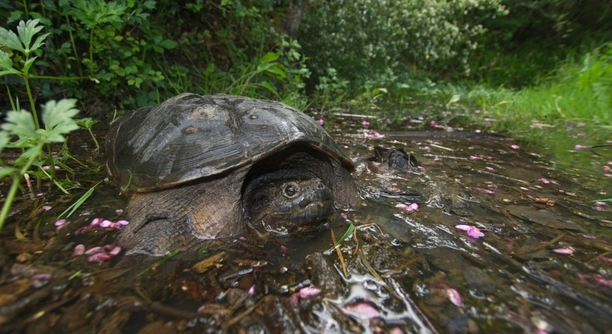
Do you ever find yourself wondering if your common snapping turtle is getting enough Vitamin D3? Proper nutrition is essential for their health, and a deficiency in this vitamin can lead to serious issues over time.
A common snapping turtle deficient in Vitamin D3 may show signs such as soft or deformed shells, lethargy, and weak limbs. This deficiency can result from inadequate UVB light exposure or an imbalanced diet lacking sufficient sources of Vitamin D3.
A healthy turtle requires the right balance of light and nutrients to thrive. Understanding the symptoms of Vitamin D3 deficiency will help you take the necessary steps to ensure your turtle stays strong and active.
Signs of Vitamin D3 Deficiency in Common Snapping Turtles
A snapping turtle lacking Vitamin D3 may develop a soft or misshapen shell, making movement difficult. Lethargy is another warning sign, as the turtle may become less active and show little interest in food. Weak limbs can also indicate a deficiency, making swimming and walking harder. Over time, the lack of this essential vitamin can lead to metabolic bone disease, which weakens the skeleton and impacts overall health. Without proper intervention, these symptoms can worsen, causing long-term damage. If you notice these signs, it is important to act quickly to improve your turtle’s care.
Deficiency can also cause difficulty in muscle coordination. A turtle struggling to move properly may have weakened bones and joints due to a lack of Vitamin D3. If the condition continues untreated, fractures and deformities may occur, making it even harder for the turtle to function normally.
Providing the right environment is essential. Ensuring access to UVB lighting and a balanced diet rich in Vitamin D3 can help prevent and reverse deficiencies. Outdoor exposure to natural sunlight is ideal, but if that is not possible, a high-quality UVB bulb should be used. Food sources like feeder fish and fortified pellets can also support healthy Vitamin D3 levels.
How to Prevent Vitamin D3 Deficiency
A snapping turtle needs regular exposure to UVB light to synthesize Vitamin D3 properly. Without this, calcium absorption is impaired, leading to weak bones and shell deformities. Providing a well-balanced diet and an appropriate habitat can help keep your turtle healthy.
A high-quality UVB bulb should be placed over the basking area and replaced every six months to ensure effectiveness. Natural sunlight is even better when possible. A varied diet with calcium-rich foods like gut-loaded insects, small fish, and fortified turtle pellets can prevent nutritional gaps. Supplements containing Vitamin D3 can also help, especially for turtles kept indoors.
Maintaining proper tank conditions is just as important as diet. A basking area with a temperature of around 85-90°F allows the turtle to regulate its body temperature and absorb UVB rays efficiently. Water quality should also be monitored, as poor conditions can lead to stress and further health issues. Keeping an eye on your turtle’s behavior and shell condition will help you catch any problems early. Proper care will ensure a healthy and active life for your snapping turtle.
The Role of UVB Lighting in Vitamin D3 Absorption
A common snapping turtle needs UVB light to produce Vitamin D3, which helps with calcium absorption. Without it, the turtle’s bones and shell weaken over time. UVB bulbs should be placed in the basking area and replaced regularly for proper effectiveness.
Natural sunlight is the best source of UVB, but if your turtle lives indoors, a high-quality UVB bulb is necessary. Position the light within 10-12 inches of the basking area to ensure proper absorption. The turtle should have at least 10-12 hours of UVB exposure daily. A combination of direct sunlight and artificial lighting can be beneficial, but glass and plastic block UVB rays, so placing the tank near a window is not enough.
Choosing the right bulb is important. Mercury vapor bulbs provide both heat and UVB, making them a great option. Fluorescent UVB bulbs are another choice, but they must be paired with a separate heat source. A UVB meter can help monitor light output to ensure your turtle gets the proper exposure. Regularly check your turtle’s behavior and shell condition to confirm the lighting setup is effective. If your turtle seems lethargic or has a soft shell, adjusting UVB exposure may help.
Best Foods for Preventing Vitamin D3 Deficiency
A snapping turtle’s diet should include a variety of animal-based foods that provide natural sources of Vitamin D3. Feeder fish, shrimp, and earthworms are excellent options. Fortified turtle pellets also help maintain balanced nutrition, ensuring the turtle gets essential vitamins and minerals.
Providing a mix of protein-rich foods is key. Whole fish like minnows or guppies supply natural Vitamin D3 and essential fatty acids. Shrimp and insects such as crickets or mealworms add variety while keeping your turtle engaged during feeding. Dark leafy greens like dandelion and collard greens can supplement the diet, but animal-based sources should remain the primary focus. Calcium supplements with Vitamin D3 should be sprinkled on food occasionally, especially for turtles kept indoors without natural sunlight.
Feeding frequency depends on age. Younger turtles need daily feeding, while adults can eat every other day. Overfeeding can lead to obesity and shell deformities, so portions should be controlled. A balanced diet, combined with proper UVB exposure, will keep your turtle active, strong, and healthy.
How Tank Setup Affects Vitamin D3 Levels
A proper basking area allows a snapping turtle to absorb UVB light efficiently. The basking spot should be warm and easily accessible, with a temperature between 85-90°F. Without it, the turtle may struggle to regulate body temperature and absorb Vitamin D3 properly.
Water depth and cleanliness also matter. A deep enough area for swimming encourages natural movement, while clean water prevents stress and infections. A high-quality filtration system helps maintain water conditions, reducing the risk of illness that could interfere with nutrient absorption and overall health.
Common Mistakes in Preventing Vitamin D3 Deficiency
Using the wrong UVB bulb or placing it too far from the basking area reduces effectiveness. Some bulbs stop producing UVB long before they burn out, so replacing them every six months is necessary. Neglecting UVB exposure leads to weak bones, shell deformities, and serious health issues.
The Importance of Regular Health Checks
Checking a turtle’s shell, limbs, and overall activity helps detect early signs of Vitamin D3 deficiency. If the shell feels soft or the turtle appears weak, adjustments to lighting and diet may be needed. Regular vet visits can also help catch deficiencies before they become severe.
FAQ
How can I tell if my snapping turtle is not getting enough Vitamin D3?
A snapping turtle with a Vitamin D3 deficiency may have a soft or misshapen shell, weak limbs, and difficulty moving. Lethargy is another common sign, along with a lack of appetite. Over time, the turtle may develop metabolic bone disease, leading to fractures or deformities. If you notice these symptoms, increasing UVB exposure and adjusting the diet can help.
What kind of UVB light is best for my snapping turtle?
A mercury vapor bulb is one of the best options because it provides both UVB and heat. Fluorescent UVB bulbs are also effective but require a separate heat source. The bulb should be placed 10-12 inches from the basking area and replaced every six months to ensure proper UVB output.
Can my turtle get enough Vitamin D3 from its diet alone?
Diet alone is not enough to provide the necessary Vitamin D3. While feeder fish and fortified pellets contain some Vitamin D3, UVB exposure is essential for proper calcium absorption. Without it, a turtle may still develop deficiencies, even with a well-balanced diet. Providing both UVB lighting and proper nutrition is the best approach.
How much UVB exposure does my turtle need?
A snapping turtle needs at least 10-12 hours of UVB light daily. If the turtle has access to natural sunlight, even a few hours outside can be beneficial. However, UVB rays do not pass through glass or plastic, so placing the tank near a window is not effective.
What happens if I don’t replace the UVB bulb regularly?
UVB bulbs lose effectiveness over time, even if they are still producing visible light. A weak or expired bulb will not provide the necessary UVB rays, leading to Vitamin D3 deficiency. Replacing the bulb every six months ensures that your turtle is getting the proper exposure.
Do snapping turtles need Vitamin D3 supplements?
Turtles that receive proper UVB lighting do not usually need supplements. However, for those kept indoors without adequate UVB exposure, a calcium supplement with Vitamin D3 can help prevent deficiencies. It should be used sparingly, as excessive supplementation can cause health problems.
Can a Vitamin D3 deficiency be reversed?
If caught early, a Vitamin D3 deficiency can be corrected with increased UVB exposure and a balanced diet. Shell softening and weakness may improve over time, but severe cases of metabolic bone disease can cause permanent damage. Acting quickly at the first signs of deficiency gives the turtle the best chance of recovery.
How does water quality affect Vitamin D3 absorption?
Poor water quality can lead to stress and illness, which may interfere with nutrient absorption. A dirty tank can also promote shell infections, making it harder for the turtle to stay healthy. Maintaining clean water with a good filtration system supports overall health and helps the turtle make the most of its diet and UVB exposure.
What are the best food options for boosting Vitamin D3 levels?
Feeder fish like minnows and guppies, shrimp, and earthworms provide natural sources of Vitamin D3. Fortified turtle pellets can also help ensure balanced nutrition. While dark leafy greens are beneficial, animal-based foods should be the main focus, as they provide the nutrients snapping turtles need.
Why is my snapping turtle still showing signs of deficiency despite proper UVB lighting?
If your turtle is still experiencing symptoms, check the UVB bulb’s placement and strength. It may be too far from the basking area, or it may have lost effectiveness. Also, evaluate the diet to ensure it includes enough Vitamin D3-rich foods. A vet visit can help determine if other underlying health issues are present.
Is natural sunlight better than artificial UVB lighting?
Yes, natural sunlight is the best source of UVB for a snapping turtle. However, it is not always practical to provide consistent outdoor exposure. In such cases, a high-quality UVB bulb is necessary to meet the turtle’s needs and prevent deficiencies.
Final Thoughts
Providing a common snapping turtle with proper UVB exposure and a well-balanced diet is essential for preventing Vitamin D3 deficiency. Without enough UVB light, the turtle cannot produce the Vitamin D3 needed to absorb calcium, which can lead to serious health issues. A high-quality UVB bulb should be placed correctly in the basking area and replaced every six months to ensure effectiveness. Natural sunlight is the best option when possible, but artificial lighting is necessary for turtles kept indoors. Along with proper lighting, a varied diet that includes feeder fish, shrimp, and fortified turtle pellets will help maintain healthy Vitamin D3 levels.
Recognizing the signs of Vitamin D3 deficiency early can prevent long-term health problems. If a turtle shows symptoms such as a soft shell, weak limbs, or lethargy, adjustments to lighting and diet should be made immediately. Ensuring the tank setup is appropriate, with a warm basking area and clean water, will support overall health. Regular health checks are also important, as early detection allows for quicker intervention. While minor deficiencies can often be corrected with proper care, severe cases may require veterinary assistance to prevent permanent damage. Consistency in care and monitoring will help keep your turtle strong and active.
Taking care of a snapping turtle requires attention to detail, but the effort is worth it. A turtle with proper nutrition and lighting will be more energetic and have a stronger shell and bones. Making small changes to improve the turtle’s habitat and diet can have a big impact on its well-being. Providing a clean, well-maintained environment and monitoring the turtle’s behavior will help prevent health issues before they become serious. With the right care, your snapping turtle can live a long, healthy life.

Hello,
If you enjoy the content that we create, please consider saying a "Thank You!" by leaving a tip.
Every little bit helps us continue crafting quality advice that supports the health, happiness, and well-being of pets around the world, for pets of all shapes, sizes, and species.
We really appreciate the kindness and support that you show us!