
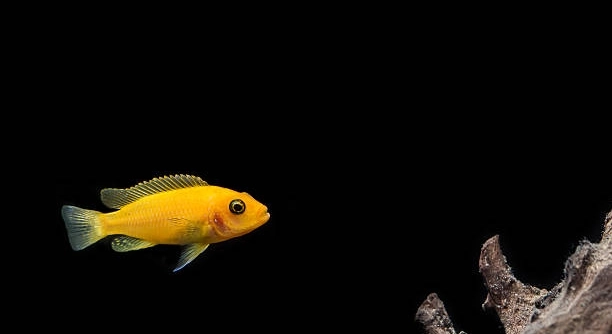
Have you ever found yourself wondering if your cichlid might be in pain but weren’t sure what signs to look for?
Cichlids in pain may show behavioral changes such as hiding, loss of appetite, erratic swimming, or fading color. These signs often indicate stress or injury and require prompt attention to ensure the fish’s well-being.
Learning how to spot subtle shifts in your cichlid’s behavior can make a big difference in their comfort and health.
Common Signs Your Cichlid Might Be in Pain
Changes in your cichlid’s behavior are often the first sign something is wrong. If your fish suddenly starts hiding more often or avoids social interaction, it might be experiencing discomfort. Loss of appetite, slow swimming, and staying near the bottom or surface of the tank for long periods are also signs to look out for. Some cichlids may become aggressive or irritable, lashing out at tankmates without clear reason. A noticeable change in body color, especially fading or blotchy patches, can also indicate stress or injury. If your cichlid begins rubbing against objects or the tank walls, it could be reacting to skin irritation or internal issues. Cloudy eyes, clamped fins, or rapid gill movement are physical signs you shouldn’t ignore. These shifts aren’t always easy to spot, but observing your fish daily helps you catch them early and respond before the condition worsens.
Look for combinations of symptoms instead of relying on just one behavior.
Pay attention to the timing and frequency of these signs. A one-time issue might be minor, but patterns often point to ongoing pain or stress. Even subtle behaviors, like resting at odd angles or swimming differently, can tell you a lot. Trust your instincts if your fish seems off.
What Causes Pain in Cichlids?
Many types of pain in cichlids come from environmental stress. Poor water quality is a leading cause—ammonia or nitrate buildup can damage their gills and skin. Sudden changes in pH or temperature create stress, weakening their immune system and opening the door to infections. Overcrowding and incompatible tankmates can also cause physical injuries or ongoing emotional stress. Another factor is diet. A lack of variety or essential nutrients can lead to digestive problems, bloating, or swim bladder issues. Internal parasites, often introduced through live food or unclean water, can cause lasting discomfort if not caught early. Physical injuries, such as cuts or fin damage from sharp decorations or aggressive fish, may also result in pain. Diseases like hole-in-the-head or ich often cause visible symptoms but also bring internal suffering. To keep your cichlid healthy, maintaining clean water, providing the right diet, and monitoring tank conditions are key. Prevention is always easier than recovery.
How to Respond When You Suspect Pain
Start by checking the water parameters—ammonia, nitrite, nitrate, pH, and temperature. Any imbalance can quickly harm your fish. If numbers are off, perform a partial water change and adjust the conditions gradually to reduce stress on your cichlid.
Next, observe how your fish behaves during feeding and swimming. If it’s avoiding food, try offering something softer or easier to digest, like soaked pellets or blanched vegetables. Watch for injuries or signs of infection, such as white spots, swollen areas, or unusual gill movement. If you suspect parasites or disease, isolate the fish in a separate tank and consider using a gentle medication. Be careful with dosages—cichlids are sensitive to overmedication. Reduce bright lighting and avoid unnecessary tank disruptions while your fish recovers. These small actions can lower stress and give your cichlid a better chance of healing in a calm environment.
Prevent future problems by keeping your tank clean and stable. Regular maintenance, weekly water changes, and filter checks help create a safe environment. Avoid sudden changes in temperature or pH, and feed a varied diet that supports digestion and immunity. Make sure tankmates are compatible and not aggressive. A peaceful, healthy tank plays a big part in reducing long-term stress and pain for your cichlid.
When to Seek Veterinary Help
If your cichlid shows no improvement after basic care or begins to worsen, it may be time to consult an aquatic veterinarian. Signs like open wounds, swelling, erratic movement, or rapid breathing should not be ignored, especially if they last more than a few days.
Fish vets can do more than you might expect. They can run water tests, perform physical exams, and recommend targeted treatments that are safer than random over-the-counter meds. Some can even take samples for lab testing if internal problems are suspected. If you can’t find a fish-specific vet, some general exotic animal vets may still be able to help. Always bring details like water parameters, feeding habits, and behavior changes—this information helps guide their recommendations. Delaying professional care can make recovery harder, so when in doubt, reaching out is better than waiting. It could make all the difference in your cichlid’s health.
Preventing Pain Before It Starts
Keep your cichlid’s water conditions steady by testing weekly and cleaning the tank regularly. Stable temperature, pH, and low waste levels help prevent most health issues and keep your fish comfortable and active.
Feed a balanced diet with a mix of quality pellets, occasional vegetables, and protein. Avoid overfeeding, as uneaten food can pollute the water and lead to bloating or stress-related problems.
How Tank Setup Affects Comfort
The tank layout plays a big role in your cichlid’s well-being. Sharp decorations or rough rocks can cause cuts or scrapes, so smooth edges are always safer. Include hiding spaces like caves or plants to give your fish a sense of security. Use a proper substrate that won’t damage fins or gills when they sift or dig. Keep lighting calm and avoid sudden changes, which can spook your fish. Also, make sure the tank isn’t overcrowded—stress builds fast when fish don’t have enough space to swim freely or establish territories. A peaceful, well-designed setup reduces stress and supports long-term health.
Signs You’ve Made the Right Changes
Your cichlid becomes more active, eats regularly, and interacts calmly with tankmates. Color improves, fins open more often, and it stops hiding. These signs show you’re meeting its needs.
FAQ
Can fish actually feel pain?
Yes, fish like cichlids can feel pain. While they don’t express it the same way mammals do, they have pain receptors and show physical and behavioral responses when injured or stressed. Scientists have found that fish respond to harmful stimuli by avoiding them, rubbing affected areas, or changing how they behave. These reactions suggest discomfort, and in some cases, long-term effects like reduced appetite or social withdrawal. Pain in fish is now recognized in veterinary care and research, so it’s important to treat signs of injury or illness seriously and take steps to improve their comfort.
How do I know if my cichlid is just stressed and not in pain?
Stress and pain in cichlids often look similar, but there are differences. Stress is usually triggered by sudden changes like poor water quality, tankmate aggression, or environmental shifts. Signs include fast swimming, hiding, or rapid gill movement. Pain, however, tends to be longer-lasting and more specific, such as rubbing against objects, cloudy eyes, fin clamping, or loss of balance. If behavior changes don’t improve after fixing the environment, pain could be the issue. Watch closely for repeated behaviors or signs that don’t go away after a day or two of care.
Should I remove my cichlid from the tank if it seems hurt?
Only isolate your cichlid if other fish are causing harm or if it needs a quiet space to recover. Use a separate hospital tank with clean, conditioned water and keep everything calm and stable. This helps reduce stress and prevents injuries from getting worse. But if your fish is just mildly stressed or showing minor signs, it’s often better to leave it in its home tank, as long as the conditions are stable. Always make sure the hospital tank matches the temperature and pH of the main tank to avoid added shock.
How quickly should I act if I see signs of pain?
Act as soon as you notice something unusual. The earlier you respond, the better the chance your fish has of recovering. Delaying care often makes things worse and harder to treat. If you see your cichlid hiding, skipping meals, or acting out of character, check the water, examine the fish, and start making changes. Waiting even a few days can let simple problems turn into serious health issues. It’s better to make small adjustments early than to wait and need stronger treatment later.
What’s the best type of medication to use for a sick or injured cichlid?
That depends on what’s causing the issue. For external problems like fungal infections or minor wounds, aquarium salt or mild antifungal medications can help. For internal parasites or bacterial infections, you might need specific treatments like metronidazole or antibiotic-based products. Never guess—use the medication that fits the symptoms, and always follow the dosage on the package. Too much medication can cause more harm than good. If you’re unsure, isolate the fish and ask a vet or aquarium expert before treating.
Can pain in cichlids affect other fish in the tank?
Yes, especially if the pain causes aggression or illness. A cichlid in pain might become defensive or lash out, stressing out the others. If the problem is due to water quality or disease, all tankmates can be at risk. That’s why it’s important to look beyond just one fish and check the full environment. Keeping the tank clean, well-filtered, and balanced can reduce the chances of one fish’s pain turning into a bigger issue. Watch all your fish for any changes—sometimes one shows signs first, but others may follow if the cause isn’t addressed.
How long does it take for a cichlid to recover from injury or stress?
It depends on the severity. Mild stress from a water change might resolve within hours, while a small injury could take a few days. Bigger issues like infections or parasites might take a week or more, especially if medication is involved. You should start seeing improvements within 48–72 hours of taking action. If nothing changes after that, reevaluate your approach or seek professional advice. Patience is key, but so is observation. Track their eating, movement, and appearance to judge progress over time.
Do cichlids show pain differently from other fish?
Cichlids tend to be more expressive than some other species. They often display clear behavioral changes like shaking, flashing, or swimming oddly. Some even isolate themselves when unwell, which is easier to notice compared to fish that already prefer hiding. Their social behavior also makes it easier to spot when something’s off. If a usually active or interactive cichlid starts acting distant or aggressive, there’s often a reason. Their expressiveness helps you detect pain earlier than in more reserved fish.
Final Thoughts
Caring for a cichlid means more than just feeding it and keeping the water clean. It also means watching for changes in behavior, movement, or appearance that may suggest pain or discomfort. These signs are often easy to miss if you’re not paying close attention. That’s why daily observation is so important. A healthy cichlid will swim with ease, eat regularly, and interact calmly with its tankmates. When something seems off—like hiding, fading color, or refusing food—it’s a sign that something might be wrong. These small details can help you spot a problem early and make a big difference in your fish’s well-being.
Recognizing and addressing pain in your cichlid requires patience and consistency. You don’t need to be an expert, but you do need to be present and prepared. Keeping the tank environment clean, stable, and peaceful goes a long way in preventing health problems. Feed a balanced diet, avoid overcrowding, and always monitor water conditions. If your cichlid starts showing signs of pain, act quickly. Check your setup, adjust what’s needed, and give your fish time to heal. In more serious cases, it’s okay to seek advice from a vet who understands fish health. The goal is to reduce discomfort and avoid long-term damage.
While it’s not always possible to prevent every issue, small habits make a big difference. Routine care, quiet surroundings, and proper feeding give your cichlid the best chance to thrive. Pain doesn’t have to be a mystery—it often shows itself in small but clear ways. By learning what to look for and how to respond, you help create a safe and healthy space for your fish. That sense of safety allows your cichlid to live a more comfortable, active life. In the end, understanding your fish better also makes the experience of keeping them more rewarding and peaceful for you.

Hello,
If you enjoy the content that we create, please consider saying a "Thank You!" by leaving a tip.
Every little bit helps us continue crafting quality advice that supports the health, happiness, and well-being of pets around the world, for pets of all shapes, sizes, and species.
We really appreciate the kindness and support that you show us!